


Parliament Panel Pushes Major Reforms in National Examination System
Lawmakers demand stronger cybersecurity, transparent evaluation methods and student-friendly reforms during review of national entrance examinations
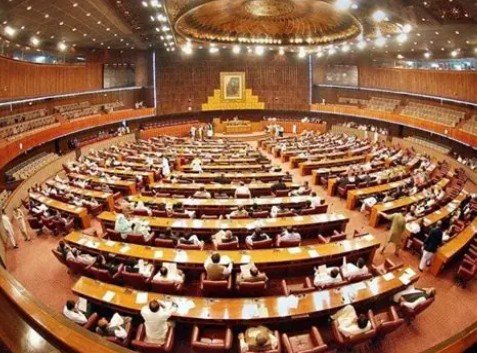
NEW DELHI, May 27: India’s competitive examination system came under intense scrutiny after a Parliamentary Standing Committee held extensive discussions with officials of the National Testing Agency regarding examination security, transparency and digital infrastructure reforms.
The high-level meeting was convened amid continuing concerns raised by students, parents and educational experts over technical failures, paper leak allegations and inconsistencies in examination management across the country.
Committee members stressed that the credibility of national entrance examinations is directly linked to the future of millions of students and therefore requires strict accountability and institutional transparency.
Officials from the National Testing Agency informed lawmakers that several technological upgrades are currently being introduced to improve examination security. These include AI-assisted surveillance systems, biometric authentication, encrypted digital paper distribution and advanced cyber monitoring tools.
Members of Parliament reportedly questioned agency officials over repeated technical glitches experienced during online examinations and demanded stronger contingency planning for system failures. Lawmakers also expressed concern about the growing psychological pressure on students appearing for highly competitive entrance tests.
Education specialists invited to the meeting suggested that the country should adopt decentralised testing mechanisms and region-wise digital support centres to reduce pressure on major urban examination hubs.
The Ministry of Education informed the panel that a revised framework for examination conduct is under preparation and could include stricter monitoring of private technology vendors involved in national testing operations.
Student organisations across several states welcomed the parliamentary intervention and demanded transparent grievance redressal systems, faster result correction procedures and independent audit mechanisms.
Experts also proposed blockchain-based security architecture for question paper storage and candidate verification to prevent tampering and impersonation during examinations.
Mental health experts appearing before the panel recommended the introduction of counselling programmes, stress management workshops and dedicated helpline services for students preparing for competitive tests.
Educational institutions meanwhile have urged the government to improve communication systems during emergencies to avoid confusion among candidates and parents during examinations.
Officials indicated that the parliamentary committee may recommend legal and administrative reforms during the upcoming monsoon session of Parliament.
Analysts believe the review process could result in one of the largest overhauls of India’s examination ecosystem in recent years, particularly as digital testing becomes increasingly central to higher education admissions.
The committee also discussed the need for better rural internet infrastructure and digital literacy programmes to ensure equal opportunities for students from remote areas.
Several universities have already started pilot projects using AI-powered examination management tools aimed at reducing administrative delays and improving evaluation accuracy.
Education policy observers noted that the reforms, if implemented effectively, could help restore confidence in India’s highly competitive academic selection process.

