


Three Indian Seafarers Confirmed Dead After US Strike on Tanker in Gulf of Oman
India seeks swift repatriation of crew and mortal remains as New Delhi protests attack on commercial vessel carrying 24 Indian mariners
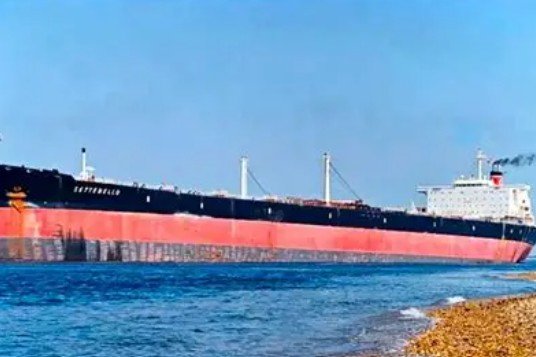
NEW DELHI, Jun 12: All three Indian crew members who had been reported missing following a strike on the Palau-flagged tanker MT Settebello in the Gulf of Oman have been confirmed dead, prompting fresh diplomatic concerns and renewed focus on the safety of merchant shipping in conflict-affected waters.
The confirmation came after recovery teams located two additional bodies aboard the vessel, ending an intensive search operation that had continued for several days after the incident. The tanker was carrying 24 Indian nationals at the time of the strike.
Union Ports, Shipping and Waterways Minister Sarbananda Sonowal expressed grief over the deaths and said the government had initiated measures to ensure the early return of the surviving crew members as well as the mortal remains of those who lost their lives.
In a statement, Sonowal described the development as tragic and said officials had been directed to coordinate all necessary arrangements for repatriation and support to the affected families.
The incident has triggered a strong response from New Delhi, which has formally conveyed its concerns to the United States through diplomatic channels. Indian authorities have maintained that attacks affecting civilian maritime operations pose serious risks to international navigation and the safety of seafarers.
According to the U.S. military’s Central Command, the action was carried out after the vessel allegedly failed to comply with instructions issued by American forces operating in the region. Washington has stated that the tanker was suspected of transporting Iranian oil in violation of restrictions linked to the ongoing maritime standoff in the Gulf.
The confrontation comes amid heightened tensions following restrictions imposed on shipping routes connected to Iran. The Gulf of Oman and nearby Strait of Hormuz remain among the world’s most strategically important maritime corridors, handling a substantial share of global energy shipments.
Maritime security agencies reported that the tanker transmitted a distress signal after an incident in its engine room while sailing northeast of the Omani port of Sohar. Emergency response teams, including units from the Omani Navy, were subsequently deployed to assist the vessel and its crew.
Indian officials said 21 crew members were rescued safely and are receiving necessary assistance. The Ministry of External Affairs has been working closely with Omani authorities and other agencies involved in the rescue and recovery efforts.
External Affairs Ministry spokesperson Randhir Jaiswal earlier condemned the attack on the commercial vessel and stressed that civilian shipping should not become a target during regional conflicts. He said India’s diplomatic mission in Oman remained actively engaged in coordinating rescue operations and monitoring developments.
The tragedy has intensified concerns over the security of Indian seafarers working on international vessels operating in volatile regions. India supplies one of the largest pools of maritime professionals to the global shipping industry, with thousands of Indian sailors serving aboard merchant ships across major trade routes.
The Ministry of Ports, Shipping and Waterways is overseeing arrangements for the return of the rescued sailors and the transportation of the deceased crew members to their families. Authorities have also assured all possible assistance to relatives affected by the incident.
The episode has drawn reactions from the international maritime community as well. International Maritime Organization Secretary-General Arsenio Dominguez condemned actions that endanger seafarers and commercial navigation, stressing that maritime workers should never be exposed to unnecessary risks while performing their duties.
Shipping industry observers say the latest incident highlights growing dangers facing merchant vessels operating in conflict zones. Escalating geopolitical tensions in the Gulf region have increased threats to commercial traffic, raising concerns among governments, shipping companies and maritime organisations.
Experts have warned that attacks involving civilian vessels can have far-reaching consequences beyond immediate loss of life, including disruptions to global trade, higher insurance costs and increased uncertainty for international shipping operations.
As investigations and diplomatic engagements continue, India is expected to press for greater protection of civilian maritime traffic and enhanced safeguards for seafarers working in sensitive international waters. The deaths of the three Indian crew members have added urgency to calls for ensuring that commercial vessels remain insulated from military confrontations and regional conflicts.
The incident stands as one of the most serious maritime tragedies involving Indian sailors in recent years and is likely to remain a key issue in discussions concerning maritime security, freedom of navigation and the protection of civilian shipping in the Gulf region.

