


US led diplomatic push intensifies as Iran tensions ease and maritime security talks gain momentum
Fresh negotiations focus on Strait of Hormuz stability, energy supply protection, and phased sanctions relief amid cautious de-escalation signals
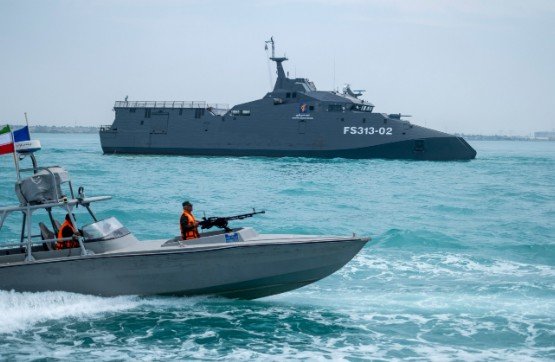
Iran, June 12 — Diplomatic efforts to reduce tensions between the United States and Iran gained renewed momentum this week, with multiple rounds of indirect talks focusing on regional stability, maritime security in the Strait of Hormuz, and potential pathways for limited sanctions relief.
The renewed engagement follows weeks of heightened military activity in West Asia, which had raised fears of broader regional escalation and disruption to global energy supplies. However, recent signals from both sides suggest a cautious shift toward de-escalation, with emphasis now placed on securing critical shipping routes.
The Strait of Hormuz, through which nearly a fifth of global oil shipments pass, remains central to negotiations. Diplomatic sources indicate that discussions are exploring mechanisms for joint deconfliction protocols aimed at preventing naval and aerial incidents in the region.
Energy markets have reacted with volatility in recent weeks, with prices rising sharply during peak tensions before stabilizing as diplomatic channels reopened. Analysts say that even limited progress in securing maritime routes has helped ease immediate supply shock concerns.
At the same time, underlying geopolitical risks remain unresolved. Washington continues to raise concerns over Iran’s regional alliances and missile capabilities, while Tehran has reiterated demands for the easing of economic sanctions that have significantly impacted its export revenues.
Reports suggest that intermediaries from multiple countries are playing a key role in facilitating communication, with some proposals focusing on phased confidence-building measures rather than a comprehensive agreement in the short term.
These include limited prisoner exchanges, temporary freezes on certain military escalations, and monitored shipping guarantees in designated maritime corridors.
Despite the diplomatic activity, officials on both sides have warned that negotiations remain fragile. Any renewed military confrontation could quickly reverse recent progress and trigger instability across global energy markets.
International observers have welcomed the renewed dialogue but caution that structural differences between the two sides remain significant. Issues related to nuclear oversight, regional influence, and sanctions policy continue to be major sticking points.
For now, markets and governments alike are closely watching developments, with traders particularly focused on signals that could affect crude oil flows and inflation expectations in major economies.
The coming weeks are expected to be critical in determining whether the current diplomatic opening can evolve into a more sustained framework for regional stability.

