


Iran’s Off-Field Turmoil Overshadows Stalemate with Belgium at World Cup
Visa dispute, fan incidents and protests draw attention away from goalless Belgium clash as Iran moves closer to knockout stage
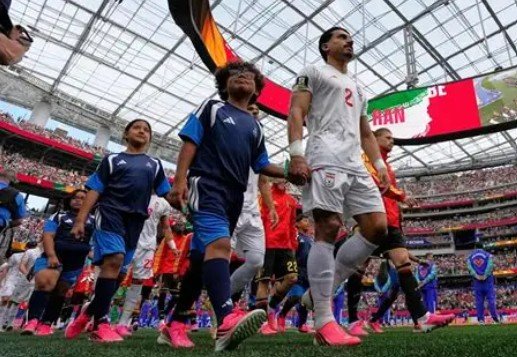
INGLEWOOD (California): Iran edged closer to a place in the World Cup knockout rounds with a goalless draw against Belgium on Sunday, but developments away from the pitch once again dominated the spotlight.
The build-up to the match was marked by fresh controversy after US Homeland Security official Markwayne Mullin alleged that individuals linked to Iran’s Islamic Revolutionary Guard Corps (IRGC) had attempted to enter the United States as part of the tournament delegation. Iran’s football federation strongly rejected the claim, describing it as baseless and accusing US authorities of discriminatory treatment.
According to Mullin, Iran sought visas for a larger group than was ultimately approved, with US officials allowing entry to only a portion of the delegation. He claimed the remaining applicants had connections to the IRGC. Tehran dismissed the allegations, saying they lacked evidence and were being used to justify restrictions imposed on its representatives.
The dispute added to a growing list of grievances raised by the Iranian camp during the tournament. Team officials have repeatedly criticised logistical arrangements that require the squad to operate from Mexico rather than the United States and have objected to travel limitations affecting support staff and federation members.
Despite the off-field distractions, midfielder Alireza Jahanbakhsh insisted the players remain focused on football. He said the team’s immediate priority is recovery and preparation for its upcoming Group G encounter against Egypt in Seattle.
“We only want equal treatment with every other team in the tournament,” Jahanbakhsh said, expressing hope that all personnel supporting the squad would be allowed to travel without obstacles.
At SoFi Stadium, security remained tight as fans from both nations filled the stands. A spectator wearing clothing featuring Iran’s pre-1979 national flag was detained after attempting to enter the playing area following the final whistle. Separately, a supporter involved in an altercation near a protest site required medical attention.
Outside the venue, several hundred demonstrators gathered to voice opposition to Iran’s government. While tensions occasionally flared, the protests were smaller and more heavily monitored than those seen during Iran’s opening match of the competition.
Inside the stadium, symbols associated with Iran’s pre-revolution era were prominently displayed among sections of supporters, reflecting the political divisions that have accompanied the team’s World Cup journey.
With four points from two matches, Iran remains firmly in contention for a place in the last 32, but the conversation surrounding the team continues to extend well beyond football.

