


RBI Governor Sanjay Malhotra Says Rate Hike Discussions Premature Amid Stable Outlook
Central bank chief stresses data-driven policymaking, highlights easing inflation pressures, stable external sector and growing role of AI in regulation.
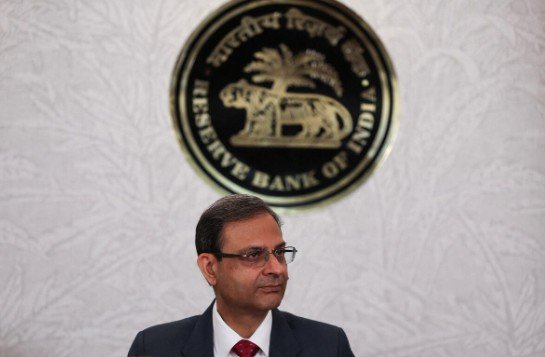
Mumbai, June 25: Reserve Bank of India (RBI) Governor Sanjay Malhotra has indicated that discussions surrounding a possible increase in interest rates are premature at this stage, underscoring that the central bank remains guided by incoming economic data rather than market speculation.
Speaking in an interview, Malhotra clarified that the RBI has not provided any indication suggesting a shift toward tighter monetary policy. He explained that if policymakers intended to prepare markets for higher borrowing costs, the central bank’s policy stance would have reflected such a move. Instead, the RBI continues to maintain a balanced approach while closely monitoring domestic and global developments.
The governor pointed out that recent geopolitical developments in West Asia have brought a degree of relief to international markets, particularly through moderation in crude oil prices. As India relies significantly on imported energy, lower oil prices can help contain inflationary pressures while supporting economic growth.
Despite the improved environment, Malhotra cautioned against assuming that risks have completely faded. He noted that global supply chains continue to face adjustments, inventories require replenishment and demand conditions remain uncertain. Given these factors, the RBI is carefully assessing evolving trends before considering any major policy decisions.
On the inflation front, the governor observed that price pressures remain broadly under control. Consumer inflation has stayed below the central bank’s medium-term target, supported by favourable food price movements. Core inflation, which excludes volatile food and fuel components, has also remained relatively subdued, indicating that broader demand-driven price pressures are limited.
While wholesale inflation has shown some upward movement due to energy-related factors, Malhotra said the RBI has not yet seen evidence of inflation becoming widespread across sectors of the economy. According to him, monetary tightening would only become necessary if price increases become persistent and spread beyond isolated categories.
The RBI chief also reiterated the central bank’s position regarding the exchange rate. He stated that the value of the rupee is primarily determined by market forces, with intervention undertaken only to address excessive volatility and maintain orderly market conditions. Recent actions by the central bank, he noted, have helped reduce speculative activity and support currency stability.
Discussing external sector resilience, Malhotra said various initiatives aimed at attracting foreign currency inflows have received encouraging responses. Measures involving foreign currency non-resident deposits and external commercial borrowings have contributed positively to confidence in India’s external financial position.
The governor further highlighted the RBI’s efforts to strengthen the country’s digital payments ecosystem. One of the key initiatives under consideration is greater interoperability between the BHIM application and digital rupee wallets. Such integration is expected to improve convenience for users and encourage wider adoption of the central bank digital currency.
Malhotra also shed light on the growing role of artificial intelligence within the central bank. He said RBI has been leveraging AI-driven tools to improve efficiency, strengthen supervision and enhance analytical capabilities. Among these initiatives is ChiRAG, an internally developed language model designed to assist RBI personnel in accessing, analysing and synthesising information from the institution’s vast repository of documents and data.
The adoption of advanced technologies, he said, is helping regulators improve decision-making processes while strengthening oversight of the financial system. AI-based solutions are increasingly being used to support research, regulatory functions and risk assessment activities.
Economists believe the governor’s remarks signal continuity in the RBI’s current policy framework, with the central bank prioritising stability and flexibility amid an uncertain global environment. The comments are also likely to temper market expectations of any near-term policy tightening.
For now, the RBI appears focused on balancing growth and inflation objectives while keeping a close watch on geopolitical developments, commodity prices and domestic demand conditions. As uncertainty persists across global markets, policymakers are expected to remain cautious and responsive to emerging economic signals before making any significant changes to the monetary policy trajectory.

