


Maha ATS Busts Suspected Shahzad Bhatti Module, Carries Out Searches Across More Than 40 Locations
Statewide operation targets suspected terror-gangster module allegedly using digital platforms for recruitment, radicalisation and covert coordination with handlers across the border
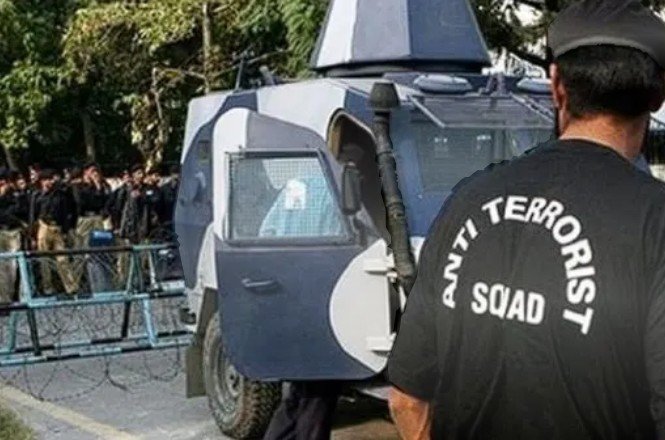
Mumbai, Jul 10: In one of its largest coordinated counter-terror operations in recent months, the Maharashtra Anti-Terrorism Squad on Friday carried out simultaneous searches at more than 40 locations across the state as part of an investigation into a suspected terror-gangster network allegedly linked to Pakistan based gangster Shahzad Bhatti.
The extensive early morning action spanned multiple cities and towns, including Mumbai, Thane, Navi Mumbai, Mira Road, Nalasopara, Pune, Nashik, Nagpur, Jalgaon, Akola, Nanded, Sangli, Satara and Chhatrapati Sambhajinagar. ATS teams fanned out to conduct searches at the homes and premises of individuals believed to be in touch with operatives associated with the alleged cross-border network.
Investigators suspect that the module was being run from Pakistan and may have been used to identify, influence and recruit young Indians through a combination of social media channels, encrypted communication services and online gaming platforms. Security officials believe the network was designed not merely for outreach and propaganda, but also for building covert contacts on the ground, creating sleeper elements and facilitating communication between Indian recruits and handlers based across the border.
The operation was launched after intelligence agencies flagged specific inputs indicating that Pakistan’s Inter-Services Intelligence, allegedly working through Bhatti and his associates, may have been attempting to activate a wider anti-India network with possible plans targeting different parts of the country. The information prompted Maharashtra ATS to move quickly and map the local footprint of the suspected module before it could expand further.
The probe has also brought under scrutiny Bhatti’s close aide Rana Aweem, also known as “Rana Bhai”, who is believed to be operating from Pakistan and is suspected of playing a key role in coordinating contacts and activities linked to the network. Investigators are now examining the chain of communication between the suspected foreign-based handlers and their contacts in India to understand the structure of the module, its methods of recruitment, and the role played by those allegedly assisting it with logistics, messaging and funding.
Officials involved in the investigation said the operation was planned over several weeks with the support of intelligence gathered from multiple sources and in consultation with central agencies. The statewide action was aimed at disrupting the network at an early stage and securing digital and documentary evidence that could help identify the extent of its operations in Maharashtra and beyond.
During the searches, ATS teams questioned more than 100 individuals whose names surfaced during the course of the investigation. Officials said these interactions were part of the evidence-gathering process and that the legal status of those questioned would depend on the material that emerges from the ongoing probe. The agency has not indicated how many of the individuals are currently under active suspicion, but it has made clear that the inquiry is still unfolding and more people could come under the scanner.
The raids resulted in the seizure of a substantial volume of electronic devices and storage material, including mobile phones, laptops, hard drives, pen drives and documents considered relevant to the case. These materials are now being examined by cyber forensic teams, which are expected to reconstruct digital communication trails, track suspicious contacts, analyse online activity and identify any foreign links, financial patterns or hidden networks that may be embedded in the data.
Officials believe the digital evidence could prove central to the investigation, especially because the suspected network is alleged to have relied heavily on online tools to approach and influence targets. Agencies are particularly interested in whether gaming platforms and encrypted apps were used as low-visibility channels to build trust, circulate extremist messaging, and maintain contact without attracting immediate attention.
The ATS is also examining a parallel angle involving an alleged dispute between Bhatti, Rana Aweem and a political figure from Maharashtra. Investigators are trying to determine whether that conflict had any connection to the network’s activities or whether it intersected in any way with the intelligence inputs that led to the operation. At this stage, officials have not publicly drawn any conclusions, but the line of inquiry remains open.
Security agencies are treating the case seriously because it appears to sit at the intersection of organised crime, digital radicalisation and cross-border terror facilitation. The concern among investigators is that criminal networks with overseas protection can serve as convenient fronts or intermediaries for hostile intelligence operations, especially when they use informal recruitment methods and online ecosystems to avoid traditional surveillance patterns.
The statewide searches are still being followed up, and officials indicated that more action may be taken after the forensic review of the seized devices is completed. Additional detentions, fresh raids or arrests have not been ruled out as investigators work through the evidence and attempt to establish the full operational reach of the suspected network.
For now, the Maharashtra ATS operation marks a significant escalation in the state’s response to intelligence inputs involving cross border recruitment and radicalisation attempts. With the probe widening and digital evidence under examination, agencies are expected to focus in the coming days on identifying the local nodes of the network, tracing its communication architecture and determining whether any planned anti-national activity had moved beyond the preparatory stage.

