


US Blockade Takes Effect as Only a Handful of Vessels Risk Crossing Strait of Hormuz
Shipping activity through the world’s most critical oil corridor remains limited as rising US-Iran tensions force tanker operators to weigh security risks and sanctions concerns
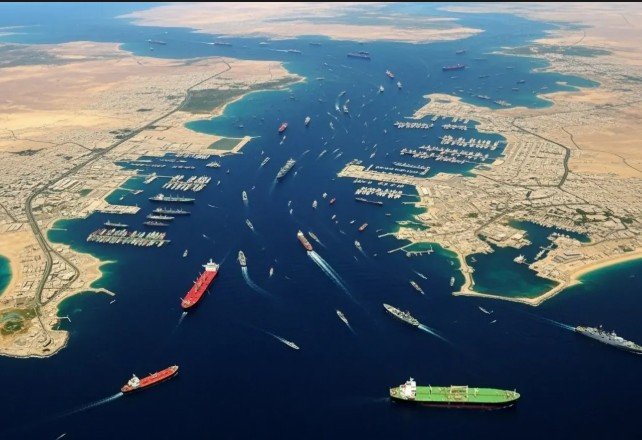
US, 15 July 2026 : Strait of Hormuz Sees Limited Maritime Activity After US Blockade Begins
Maritime traffic through the strategically important Strait of Hormuz remained unusually low on Wednesday after the United States reintroduced a naval blockade targeting Iranian shipping, increasing uncertainty for global energy markets and commercial vessel operators.
Only a small number of ships attempted to navigate the narrow waterway connecting the Persian Gulf with the Gulf of Oman, as rising military tensions and recent attacks on vessels prompted many shipping companies to reconsider their routes.
The latest restrictions have created a challenging environment for shipowners, who are now forced to balance operational needs with security threats and regulatory risks. The Strait of Hormuz is one of the world’s busiest energy routes, with a significant share of global oil shipments passing through the passage every day.
Few Tankers Continue Movement Amid Growing Security Concerns
According to ship-tracking information, a US-sanctioned oil tanker carrying Iranian crude moved out of the Gulf through the Strait of Hormuz before stopping shortly after entering the Gulf of Oman.
Meanwhile, a Greek-operated Suezmax tanker carrying Saudi oil resumed broadcasting its location signals while moving toward Fujairah, a major shipping hub outside the Persian Gulf. The vessel had previously reported its position inside the gulf several days earlier.
Apart from these larger tankers, only a few smaller vessels were seen operating in the area. Two fuel carriers and two bulk ships were reported to be moving through the strait in opposite directions, highlighting the sharp decline in maritime activity compared with normal traffic levels.
The slowdown reflects growing concerns among shipping companies over possible attacks, sanctions violations, and geopolitical uncertainty surrounding the waterway.
Shipping Companies Face Difficult Choices Over Safe Routes
The ongoing confrontation between Washington and Tehran has placed vessel operators in a complicated situation. Ships crossing Hormuz must decide whether to follow routes preferred by Iran or take alternative paths closer to the Omani coastline.
Following Iran-approved routes may increase the risk of facing international compliance issues, while choosing different maritime paths could expose vessels to possible security threats.
Some ships have reportedly switched off their tracking systems to avoid attracting attention, a practice commonly used during periods of heightened maritime risk. Analysts believe this reflects growing anxiety among operators attempting to protect vessels and cargo from potential confrontations.
US Resumes Pressure Campaign Against Iranian Oil Shipments
The United States began enforcing the latest blockade measures on Iranian shipping after previously using similar restrictions earlier in the year. The earlier campaign had reportedly reduced Iran’s ability to export crude oil by limiting tanker movements and increasing pressure on maritime networks.
The latest move comes amid escalating tensions in the Gulf region following attacks on two United Arab Emirates-linked oil tankers. According to UAE authorities, the vessels were targeted with cruise missiles after their tracking systems had been disabled while passing through the Strait of Hormuz.
The incidents have further increased concerns among international shipping companies and energy traders about the safety of one of the world’s most important maritime corridors.
Trump Drops Plan for Additional Transit Charges
Meanwhile, US President Donald Trump stepped back from a proposed plan to impose a 20% charge on cargo passing through the Strait of Hormuz.
The decision came after several US allies in the Gulf region raised concerns that additional costs on shipping could disrupt energy markets and increase pressure on global trade flows.
Although the proposed fee was abandoned, the broader US strategy of restricting Iranian maritime activity remains in place, keeping uncertainty high for tanker operators and oil markets.
Global Energy Markets Watch Hormuz Developments Closely
The Strait of Hormuz remains a key focus for international energy markets as any prolonged disruption could affect crude oil supplies and shipping costs worldwide.
Oil-importing countries are closely monitoring developments, as reduced vessel movement through the region could create volatility in prices and increase concerns about supply stability.
Industry experts say shipping activity will largely depend on how tensions between the US and Iran develop in the coming days. A further escalation could discourage more vessels from entering the waterway, while diplomatic efforts may help restore normal maritime operations.
For now, the limited number of ships crossing the Strait of Hormuz reflects the growing caution among global shipping companies amid an increasingly uncertain security environment.

