


India Records Significant Progress in Child Immunisation, Zero-Dose Cases Decline: WHO-UNICEF
Latest WHO-UNICEF estimates highlight India's progress in routine immunisation, with fewer unvaccinated children and improved protection against vaccine-preventable diseases.
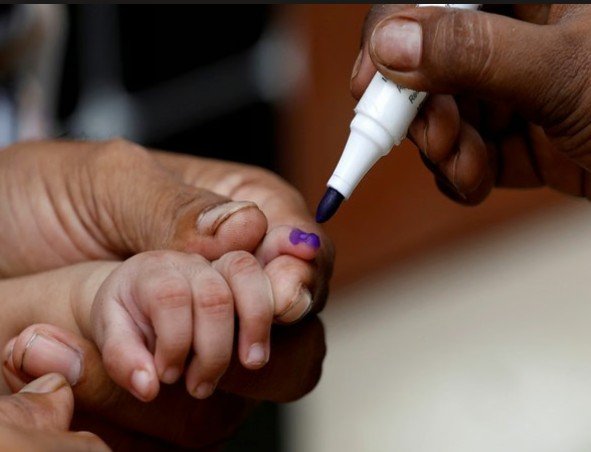
NEW DELHI, July 15: India has achieved a significant milestone in public health by sharply reducing the number of children who receive no vaccines during their first year of life, according to the latest WHO-UNICEF Estimates of National Immunization Coverage (WUENIC) 2025. The report reflects the country’s continued efforts to strengthen routine immunisation programmes and improve healthcare access for vulnerable communities.
The estimates show that the number of “zero-dose” children in India declined from approximately 9.09 lakh in 2024 to 6.79 lakh in 2025, marking substantial progress in expanding vaccine coverage. Zero-dose children are those who miss all routine vaccinations during infancy, leaving them highly vulnerable to life-threatening but preventable diseases.
India Moves Out of Global Top 10 List
One of the most notable achievements highlighted in the report is that India is no longer among the world’s ten countries with the highest number of unvaccinated children against measles. This marks the first time since the WUENIC estimates were introduced in 2001 that the country has exited this category.
Health experts describe this development as a major indicator of improvements in India’s public health infrastructure, routine immunisation delivery, and outreach programmes targeting underserved populations.
Routine Immunisation Coverage Reaches High Levels
According to the report, nearly 95 per cent of Indian children are now fully protected with the recommended three-dose Diphtheria, Tetanus and Pertussis (DTP3) vaccine, while a similar proportion has received the second dose of the measles-containing vaccine (MCV2).
Such high coverage levels significantly reduce the risk of outbreaks of vaccine-preventable illnesses and strengthen community immunity across the country.
Officials noted that sustained vaccination campaigns have contributed to better healthcare outcomes while reducing disparities between urban and rural populations.
Targeted Campaigns Delivered Strong Results
WHO and UNICEF credited India’s progress to focused immunisation drives that prioritised children living in difficult circumstances.
Vaccination teams expanded services in urban slums, remote villages, migrant communities, conflict-prone regions, and areas where vaccine hesitancy remained a challenge. Special outreach programmes ensured that children who previously lacked access to healthcare facilities were identified and vaccinated.
Mobile vaccination units, strengthened health infrastructure, improved cold-chain systems, and greater community awareness also played important roles in expanding immunisation coverage.
Global Picture Shows Continued Challenges
Despite India’s encouraging progress, the international report indicates that vaccination gaps continue to affect millions of children worldwide.
Globally, around 13.5 million infants remained zero-dose children during 2025, including approximately 6.79 lakh in India.
The report states that nearly 116 million infants, representing around 90 per cent, received at least one dose of the DTP vaccine during the year. Around 110 million children, or 85 per cent, completed the recommended three-dose vaccination schedule.
Although these figures represent modest improvements compared with 2024, global immunisation coverage has yet to fully recover to levels recorded before the COVID-19 pandemic.
Dropout Rates Continue to Concern Health Experts
The report also highlights another major concern facing global immunisation efforts.
An estimated 7.3 million children received their first DTP vaccine but failed to continue with the recommended vaccination schedule, missing the first measles vaccine dose.
Health experts warn that incomplete immunisation leaves children vulnerable and increases the possibility of disease outbreaks, particularly measles, which requires approximately 95 per cent coverage to prevent community transmission.
While the overall number of zero-dose children worldwide declined by nearly 7.5 lakh compared with the previous year, improving completion rates remains an urgent priority.
WHO Calls for Continued Investment
WHO Director-General Dr Tedros Adhanom Ghebreyesus welcomed the encouraging trends while stressing that every child deserves equal protection against preventable diseases.
He emphasised that vaccines remain among the most effective and equitable public health interventions, protecting children regardless of their economic background or place of birth.
According to Dr Tedros, governments must continue investing in strong immunisation systems to ensure that no child is left behind.
UNICEF Highlights Remaining Inequalities
UNICEF Executive Director Catherine Russell acknowledged that global vaccination programmes have recovered significantly following disruptions caused by the COVID-19 pandemic.
However, she cautioned that millions of children continue to miss essential vaccines because of armed conflicts, displacement, poverty, and limited healthcare access.
Russell underlined the importance of rebuilding public confidence in vaccination programmes while ensuring healthcare services reach vulnerable communities.
She stressed that preventable diseases should never threaten children’s lives when safe and effective vaccines are readily available.
Gavi Sees Momentum but Warns of New Challenges
The Vaccine Alliance (Gavi) also welcomed the encouraging progress recorded across many lower-income countries.
Gavi Chief Executive Officer Dr Sania Nishtar said the improvements demonstrate what coordinated international partnerships can achieve through sustained investment and cooperation.
At the same time, she warned that maintaining these gains will become increasingly difficult due to funding pressures, geopolitical instability, humanitarian emergencies, and recurring disease outbreaks.
She called for renewed global commitment to ensure that every child receives life-saving vaccines regardless of location.
India’s Public Health Strategy Continues to Expand
India’s immunisation success reflects years of investment under programmes such as the Universal Immunisation Programme (UIP) and Mission Indradhanush, supported by state governments, healthcare workers, frontline ASHA workers, Anganwadi staff, and community volunteers.
Digital tracking systems, stronger vaccine logistics, enhanced surveillance, and targeted awareness campaigns have further improved vaccination coverage across the country.
Public health experts believe sustaining these initiatives will be essential to eliminate remaining immunity gaps and protect future generations from vaccine-preventable illnesses.
Looking Ahead
The latest WHO-UNICEF estimates place India among countries making measurable progress in expanding routine immunisation coverage. The decline in zero-dose children and improved protection against measles and other infectious diseases demonstrate the impact of focused public health interventions.
However, experts agree that continued investment, community engagement, and equitable healthcare access will be necessary to reach every child and maintain these gains in the years ahead. With millions of children worldwide still missing essential vaccines, strengthening immunisation remains a critical global health priority.

