


Washington Announces 25% Tariff on Certain Brazilian Goods Effective July 22
New duties take effect on July 22 as Washington cites unfair trade practices, while key commodities including coffee, beef, and aerospace products remain exempt to protect domestic supply chains.
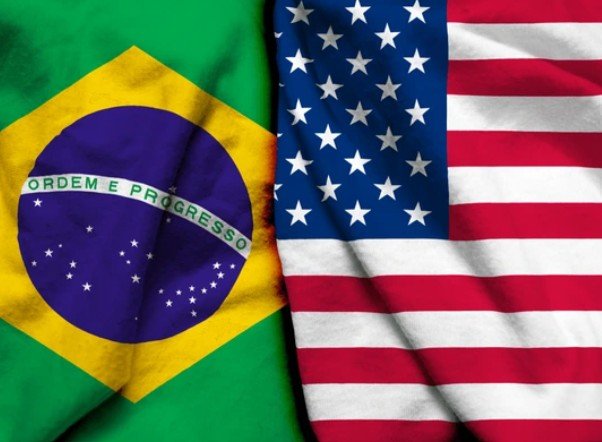
Washington: The United States has confirmed that it will impose a 25% tariff on selected imports from Brazil beginning July 22, marking a significant escalation in trade tensions between the two countries. The decision follows a lengthy investigation by US trade authorities, who concluded that Brazil had engaged in policies viewed as unfair to American businesses and workers.
The tariff measure is being implemented under Section 301 of the US Trade Act of 1974, a legal provision that allows Washington to respond to foreign trade practices considered discriminatory or unreasonable. US officials stated that the move aims to strengthen fair competition while encouraging reforms in Brazil’s trade and regulatory framework.
Although the new duties will affect a range of Brazilian exports, the US government has deliberately excluded several essential goods to minimize disruptions for consumers and industries dependent on Brazilian supplies.
Key Products Receive Temporary Exemptions
Despite the broad tariff announcement, the White House has carved out exemptions for products considered strategically important or difficult to replace through domestic production.
Among the exempted items are:
Coffee
Beef
Fresh oranges
Orange juice
Selected oil and natural gas energy products
Aerospace parts and aircraft components
Officials explained that exempting these goods will help maintain stable supply chains while preventing unnecessary price increases for American consumers and manufacturers.
The aerospace exemption is particularly significant because of the deep commercial links between US aviation companies and Brazilian manufacturers.
Investigation Identified Multiple Trade Concerns
The tariff decision follows a year-long investigation conducted by the Office of the United States Trade Representative (USTR).
According to the agency, investigators found several practices that allegedly disadvantaged American exporters and investors. These included concerns over Brazil’s anti-corruption enforcement, regulatory policies, tariff structure, and what Washington described as barriers limiting fair market access.
US Trade Representative Jamieson Greer said the United States had attempted to resolve the issues through negotiations before resorting to trade penalties.
He noted that discussions between the two governments had continued for months but failed to produce meaningful progress.
Greer emphasized that the United States remains willing to resume negotiations if Brazil introduces reforms addressing the concerns identified during the investigation.
US Maintains Trade Surplus with Brazil
Interestingly, the tariff action comes despite the United States maintaining a goods trade surplus with Brazil for several consecutive years.
Trade analysts note that the decision is therefore driven less by trade deficits and more by Washington’s broader concerns regarding market access, regulatory transparency, and commercial practices.
The move reflects the US government’s increasing willingness to use trade enforcement tools even against countries where bilateral trade remains relatively balanced.
Political Dimension Adds Complexity
The tariff announcement has also taken on a political dimension inside Brazil.
When the proposed duties were first announced earlier this year, Brazilian President Luiz Inácio Lula da Silva criticized the decision, arguing that political motives rather than economic concerns were influencing Washington’s approach.
Lula accused domestic political opponents of contributing to deteriorating bilateral relations, particularly after Senator Flavio Bolsonaro visited Washington. The senator, son of former Brazilian President Jair Bolsonaro, has maintained close ties with former US President Donald Trump.
The Brazilian government has consistently argued that trade disagreements should be addressed through dialogue rather than punitive tariffs.
Washington Defends the Decision
Senior US officials insist the tariffs are intended to protect American workers and businesses.
Secretary of State Marco Rubio argued that Brazil had not negotiated constructively during discussions aimed at resolving trade disagreements.
According to Rubio, the Lula administration failed to pursue meaningful compromises despite repeated opportunities, making stronger trade enforcement necessary.
US officials maintain that the measure is designed to encourage policy changes rather than permanently restrict trade.
Section 301 Returns as a Major Trade Tool
The action once again highlights the growing use of Section 301 investigations, which have become an important instrument in US trade policy.
The provision allows American authorities to investigate foreign practices believed to harm US commerce and impose tariffs if negotiations fail.
Previous administrations have used Section 301 against several major trading partners, making it one of Washington’s most powerful trade enforcement mechanisms.
Possible Economic Impact
Economists believe the new tariffs could affect trade flows between the two countries, although the exemptions may soften the immediate impact.
Brazilian exporters in sectors covered by the tariffs may face reduced competitiveness in the US market, while American importers could seek alternative suppliers for affected products.
However, industries dependent on Brazilian coffee, food products, energy supplies, and aerospace manufacturing are expected to experience relatively limited disruption because of the exemptions.
Market observers will closely monitor whether Brazil introduces retaliatory measures or chooses to continue negotiations with the United States.
Future Negotiations Still Possible
Despite the implementation of the tariffs, US officials have left the door open for further diplomatic engagement.
Washington says meaningful policy reforms from Brazil could pave the way for future discussions aimed at resolving the dispute and restoring smoother trade relations.
With the tariffs scheduled to take effect on July 22, businesses in both countries are preparing for potential adjustments while policymakers continue to assess the broader implications for bilateral economic ties.
As one of Latin America’s largest economies and a significant US trading partner, Brazil remains an important participant in regional and global commerce. The coming months will determine whether renewed negotiations can ease tensions or whether the dispute develops into a wider trade confrontation.

