


Building J&K’s Film Future
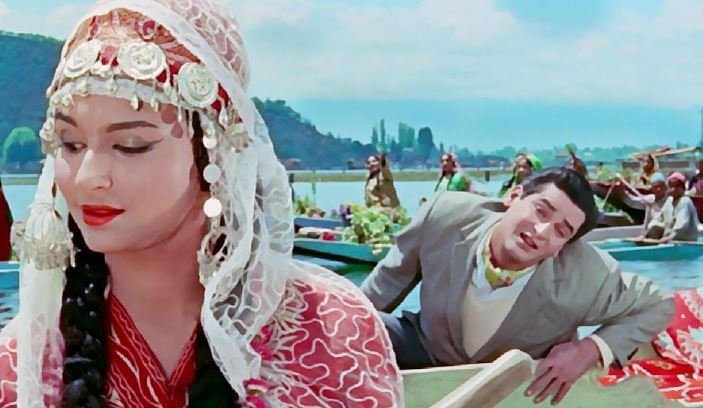
Jammu and Kashmir once occupied a special place in Indian cinema. Its mountains, lakes, gardens and villages were not merely attractive locations, but part of the visual memory of generations of filmgoers. For years, Kashmir appeared naturally in stories, songs and romances. The first International Film Festival of Jammu and Kashmir now offers an opportunity to rebuild that relationship, but nostalgia alone will not be enough.
The festival must become more than a celebration of cinema. It should serve as the starting point for a serious filmmaking ecosystem that creates jobs, develops local talent, attracts investment and gives Jammu and Kashmir a stronger place in India’s creative economy. The region certainly possesses what filmmakers seek. Few destinations can match its natural diversity, architecture, cultural richness and changing seasonal landscapes. But beautiful locations alone do not bring sustained film production. Producers also need predictable permissions, reliable logistics, reasonable costs, security coordination and clear timelines. The government’s emphasis on making Jammu and Kashmir easier and cheaper for filmmakers is therefore important, but these assurances must translate into a smooth experience on the ground. A genuine single-window system for film permissions should ensure that producers do not have to approach several offices for routine clearances. Procedures must be transparent, decisions time-bound and responsibilities clearly defined. The best advertisement for Jammu and Kashmir will ultimately be filmmakers who complete their projects here smoothly and choose to return. Local employment should be at the heart of this revival. Film production creates work far beyond actors and directors. Camera crews, editors, sound technicians, production assistants, costume designers, electricians, drivers, caterers, set workers and many others form the backbone of the industry. Jammu and Kashmir’s young people should be trained for these roles so that every major production leaves behind skills and livelihoods, not merely scenic footage. The International Film Festival can also become a much-needed platform for local storytellers. Jammu and Kashmir has its own histories, languages, folklore and contemporary experiences that deserve to reach wider audiences. Emerging filmmakers should receive space to screen their work, attend workshops, interact with experienced professionals and build connections with producers, distributors and streaming platforms. The response to the inaugural festival is encouraging, with around 400 entries reportedly received from more than 25 countries. That international participation can help the region build cultural connections far beyond conventional tourism. Cinema has extraordinary power to influence how places are perceived, and a well-established festival can strengthen Jammu and Kashmir’s cultural identity on the global stage. Film tourism also deserves careful development. Locations associated with memorable films can attract visitors, while local music, cuisine, crafts and architecture can become part of the experience. But such promotion must respect environmental limits. Cinema should showcase Kashmir’s beauty without placing additional pressure on fragile destinations. The revival of Muzaffar Ali’s long-awaited Zooni carries emotional significance because it connects an interrupted cinematic past with the possibility of a new beginning. Yet the larger revival cannot depend on symbolism. Jammu and Kashmir needs permanent film facilitation, regular skill programmes, production facilities and, eventually, stronger post-production capacity. The administration deserves appreciation for attempting to bring cinema home in an organised manner. The real test, however, will begin after the festival lights fade. Success should be measured by productions returning, local professionals finding work and young filmmakers gaining national and international opportunities.
Jammu and Kashmir has spent decades being admired through the camera. It should now aim higher. The region must become a place where cinema is not only shot, but created, supported and sustained as an industry. That would turn a historic reunion with film into a durable economic and cultural revival. The administration has taken a welcome step by attempting to restore Jammu and Kashmir’s place in the world of cinema, but the real challenge is to convert this beginning into a lasting industry. Film permissions must become simpler, local youth must receive professional training, production facilities should be strengthened and home-grown filmmakers need serious institutional support. The region cannot depend on scenic beauty alone. Transparent incentives, reliable infrastructure and sustained partnerships with the film industry are essential if cinema is to generate jobs, investment and a durable creative economy.

