


Jordan Intercepts Iranian Missiles as US and Saudi Arabia Strike Iraq Based Militias
Middle East tensions rise after renewed missile exchanges, with Washington and Riyadh warning Tehran backed groups against further attacks
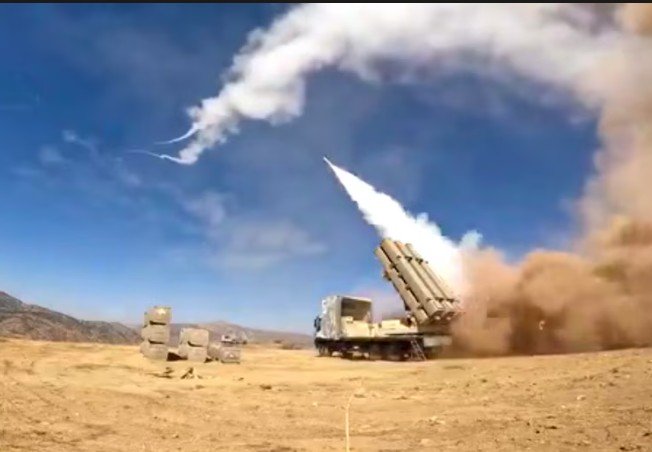
Cairo, July 29: Tensions in the Middle East intensified on Wednesday after Jordan’s air defence systems intercepted and destroyed five missiles launched from Iran, while the United States and Saudi Arabia carried out strikes against Iran-backed militia targets in Iraq.
The latest developments ended a brief period of calm after weeks of escalating confrontation involving Iran, the United States, and regional allies. The renewed military exchanges have raised concerns over further instability across the region.
Jordan’s military confirmed that the missiles were detected and neutralised before causing damage. The country’s armed forces said the projectiles were successfully intercepted as part of efforts to protect national security and airspace.
The incident came shortly after the US military announced that it had prevented an Iranian missile attack targeting American forces stationed in the Middle East.
US Warns Against Further Attacks
The United States Central Command said its forces remained on high alert following the missile launches and continued monitoring threats across the region.
Washington also confirmed that American and Saudi aircraft conducted strikes against locations in eastern Iraq allegedly used by Iran-supported armed groups to launch attacks.
The US military said the operations targeted weapons storage facilities and logistical sites linked to more than 30 drone attacks carried out against American interests in recent days.
“The Revolutionary Guard and its terrorist proxies must cease these attacks to avoid further US military response,” US Central Command said.
The statement referred to Iran’s Islamic Revolutionary Guard Corps (IRGC), which Washington has accused of supporting armed groups operating across the Middle East.
Saudi Arabia Supports Military Response
Saudi Arabia acknowledged its involvement in the operations and said the strikes were aimed at responding to security threats.
The Saudi Defence Ministry stated that the Kingdom does not seek escalation but would take necessary action against any aggression targeting its territory or interests.
Riyadh has faced growing security concerns due to attacks linked to regional armed groups, particularly threats against energy facilities and strategic infrastructure.
Brief Calm Ends After Days of Escalation
The latest clashes followed a short period of reduced tensions between Washington and Tehran, during which no major attacks were reported for nearly three days.
The temporary pause came after weeks of heightened confrontation over strategic areas, including the Strait of Hormuz — a critical maritime route through which a significant share of global oil shipments passes.
Any disruption in the region has the potential to affect international energy markets due to the importance of Gulf shipping routes.
Iran-US Conflict Adds Pressure on Washington
The renewed hostilities come at a challenging time for US President Donald Trump, who has faced increasing political and financial pressure over America’s involvement in the conflict.
The Pentagon has sought additional funding from Congress to manage the rising costs of military operations, while concerns have grown over the long-term impact of the confrontation.
Several US military personnel have also been killed during the recent fighting, adding further pressure on the administration to manage the crisis.
US Says Iraq Strikes Were Separate From Missile Attack
A US official said Iran’s missile attack occurred before American and Saudi strikes in Iraq, adding that the two incidents were not connected.
The official, speaking anonymously due to the sensitive nature of military operations, said the actions were separate responses to different security threats.
According to US Central Command, fighter aircraft targeted militia facilities believed to be involved in coordinating drone attacks against US forces and regional partners.
Regional Security Concerns Grow
The latest developments have increased fears of a wider conflict involving Iran and its regional opponents.
With missile exchanges, drone attacks, and retaliatory strikes continuing, countries across the Middle East are closely monitoring the situation.
Jordan’s interception of Iranian missiles highlights the growing security challenges faced by nations attempting to avoid direct involvement while protecting their territories.
As Washington and Tehran remain locked in confrontation, international observers are watching for signs of further escalation or diplomatic efforts to restore stability in the region.

