


MENTAL HEALTH SUPPORT FOR CHILDREN AND YOUNG TEENS
Editorial
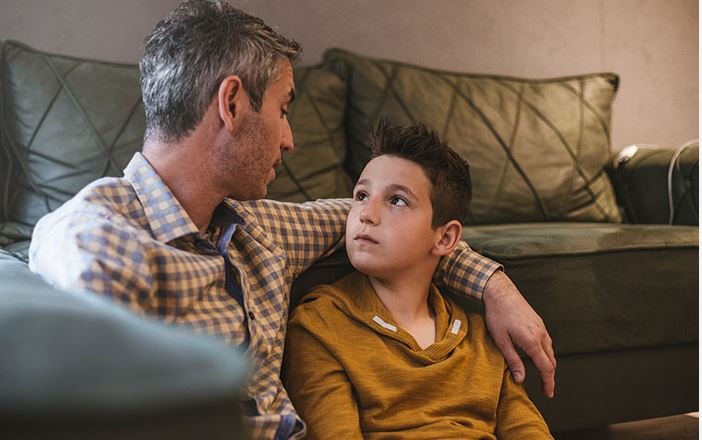 Representational Image
Today’s world is very different from the one that their parents and grandparents experienced as children and young adults. Young people may find it overwhelming and perplexing due to the constant flood of information, opinions, and comparisons brought about by technology and social media. As a result, many of them are battling emotional and mental conditions that were once thought to be uncommon or non-existent. The effects of diseases like depression, anxiety, and other mental health issues may be severe, and they are growing more prevalent among young people. This tendency is caused by a number of variables. The pressure young people have to succeed and fit in in a society that values success and popularity is one factor. Even the most resilient kids might experience stress from this kind of tremendous, never-ending demand. The demise of established social systems is another reason. Children and teenagers used to be supported and guided by family members, neighbours, and other community members. However, many families today are split up or isolated, and kids may not have the nurturing relationships that are necessary for normal development. By upsetting patterns and escalating feelings of loneliness and worry, the epidemic has brought a new level of stress to children’s lives. Children’s mental health might be negatively impacted by the pandemic’s financial challenges, health issues, and other stressors that families are dealing with.
The difficulties that kids and early teens experience in today’s world must be acknowledged by parents, teachers, and politicians. To enable kids to acquire the abilities and resiliency required to deal with these difficulties, they must offer assistance, tools, and knowledge. Setting clear boundaries, offering emotional support, and promoting open communication are all ways that parents can foster a nurturing and supportive environment in their homes. They can also set an example of positive coping strategies and ask for assistance when necessary. Promoting social-emotional learning in the classroom, educating teachers to identify and address mental health issues, offering counselling to kids, and fostering positive interactions between youth and adults are all things that educators and policymakers can do. It takes a team effort from parents, teachers, lawmakers, and society at large to address the emotional and mental health needs of kids and young teens. Together, we can support young children and teens in acquiring the resilience and coping mechanisms they will need to succeed in the modern world. It is crucial to give them the resources and assistance they need to overcome the obstacles in their way and experience happy, healthy lives. The emotional and mental health requirements of children and young adolescents in the area must be given top priority by the government. They should think about putting laws and programmes into place that offer assistance, information, and instruction to youngsters in order to help them acquire the knowledge and fortitude required to deal with the difficulties of the modern world. This can involve activities like fostering social-emotional learning in the classroom, offering student counselling services, and fostering pleasant interactions between children and adults. As the former First Lady Rosalynn Carter famously put it, “Mental health is often missing from public health debates even though it’s critical to well-being.”
The government must prioritise mental health in its policies and programmes and acknowledge its significance. In order to create effective plans for addressing the emotional and mental health needs of kids and young teens, the government should also work with parents, educators, and mental health experts. This may entail forming alliances with mental health agencies to offer counselling and therapy services to young children and teenagers who may be experiencing difficulties. The government must act with compassion and support when addressing the mental health needs of kids and young teens, understanding that mental illness is not a sign of personal failure. Additionally, the government needs to promote mental health awareness and lessen the stigma associated with mental illness. This may entail putting forth public awareness initiatives that motivate people to look for support and assistance with mental health problems. The government can assist in empowering parents and enabling kids and early teenagers to succeed in today’s society by prioritising mental health.

