


Abhijeet Sawant Makes Emotional Return to Indian Idol After 22 Years, Opens Up About His Career
The first season winner returns to Indian Idol: Legends Return after more than two decades, recalling how the competition transformed his career and discussing the changing music industry.
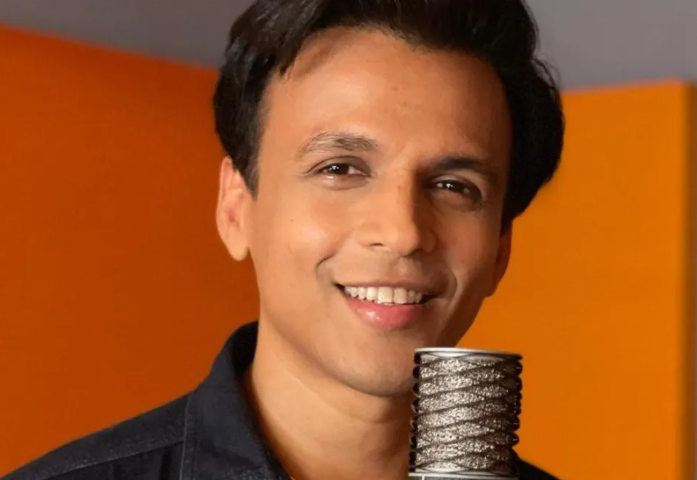
Mumbai, November 4: Singer Abhijeet Sawant has returned to the television platform that transformed his life more than two decades ago, joining the latest season of Indian Idol Legends Return as a participant. The singer, who became the first winner of Indian Idol in 2004, has described his comeback as a nostalgic experience filled with memories and new opportunities.
In an interview with SCREEN, Sawant discussed his decision to return to the show, his journey since winning the inaugural season and the changes he has witnessed in the Indian music industry. He also spoke about his experiences with other television reality programmes and explained why he continues to value the medium that introduced him to millions of viewers.
His return after 22 years has attracted attention because he is revisiting the stage where his professional journey began. However, the singer said he does not view his participation as another competition. Instead, he considers it an opportunity to reconnect with his past while experiencing a different environment alongside a new generation of performers.
A Nostalgic Homecoming to the Show That Changed His Life
Abhijeet Sawant became a household name after winning the first season of Indian Idol in 2004. At the time, the singing competition was introducing a new format to Indian television, giving aspiring singers an opportunity to showcase their talent before a nationwide audience.
For Sawant, the victory marked a turning point. Before joining the programme, he was a young musician learning music and looking for opportunities to perform on stage. Winning the competition brought him recognition and opened doors that had previously seemed difficult to access.
Reflecting on his return, the singer said the experience brought back memories of the period when his career first took shape. He explained that revisiting the same platform after more than two decades felt special because it allowed him to reconnect with the atmosphere and people associated with the beginning of his journey.
He also clarified that his participation in Indian Idol: Legends Return should not be viewed simply as an attempt to win another competition. At this stage of his career, he is more interested in enjoying the experience, remembering earlier moments and creating fresh memories.
The comeback also highlights the lasting influence of the first season, which introduced several singers to mainstream audiences and helped establish televised music competitions as an important part of Indian entertainment.
How Winning Indian Idol Transformed His Career
Sawant recalled that his life changed dramatically after winning the competition. Before the programme, his ambitions were relatively limited, and he was primarily focused on learning music and finding opportunities to perform.
The success of the show expanded his expectations and encouraged him to think about possibilities beyond what he had initially imagined.
He said that within six months of winning, the contestants became widely recognised personalities among Indian television audiences. The sudden change in public attention was an experience that completely transformed his everyday life.
The singer also explained that the platform helped him develop larger professional ambitions. Rather than simply looking for opportunities to perform, he began considering a wider range of possibilities within the entertainment and music industries.
His journey demonstrates how television talent competitions can provide exposure to performers who may not initially have access to established music networks.
For many aspiring singers, programmes such as Indian Idol offer an opportunity to reach listeners, connect with music professionals and build a public identity.
Sawant’s continued association with television also reflects the long-term relationship that can develop between reality-show participants and the audiences who first discover them through such programmes.
Learning From a New Generation of Singers
One of the interesting aspects of Sawant’s return is his interaction with younger performers.
He observed that the entertainment industry has changed considerably since 2004. The contestants, production teams and working methods are different from those he experienced during the first season.
According to the singer, the environment in the inaugural edition was relatively new for everyone involved. Contestants, musicians, directors and producers were all learning how the reality-show format would develop.
He described that period as a time when participants were trying to establish themselves and understand the opportunities available through television.
The current generation, however, operates in a more developed entertainment environment. Social media, digital music platforms and online promotion have created additional avenues for singers to establish their identities.
Sawant acknowledged that he is also learning from younger performers and adjusting to their approach towards music and television.
He believes that working with a different generation has provided him with a fresh experience and an opportunity to understand how the industry has evolved.
His comments underline the importance of adapting to changing audience preferences and entertainment formats, particularly for artists who have worked across different phases of the music business.
Why He Chose to Return to Television
After his success on Indian Idol, Sawant explored different professional opportunities, including playback singing and independent music.
He also participated in other reality programmes, including Bigg Boss Marathi and Celebrity MasterChef.
However, he admitted that he had deliberately stayed away from television for a period because he wanted to concentrate on playback singing.
Looking back, he described that decision as a mistake, explaining that television had played a fundamental role in his career and that audiences continued to recognise him through the medium.
He eventually realised that television offered opportunities beyond singing competitions. It allowed him to remain connected with viewers and present different aspects of his personality.
The singer said that people do not necessarily associate him only with reality-show performances. Instead, many recognise him as a familiar television personality.
This recognition, according to him, has become an advantage for his professional life.
His return to Indian Idol therefore represents more than a nostalgic appearance. It also reflects his understanding that television continues to be an important part of his relationship with audiences.
Playback Singing Remains Important Despite the Growth of Independent Music
Sawant also shared his views on the changing relationship between independent music and film playback singing.
He noted that singers today have more opportunities to create and release their own music without depending entirely on film producers or established recording networks.
Digital platforms and social media have changed how artists connect with listeners. Singers can now develop their individual musical identities, release original tracks and build audiences through online channels.
According to Sawant, this is a positive development because performers have greater control over their creative work.
He recalled that when he began his career, playback singing was considered one of the most important routes to success for singers. Getting an opportunity to record a film song was often viewed as a major breakthrough.
The music industry has since undergone significant changes.
Sawant pointed out that independent music experienced difficulties during the period when MP3 distribution and music piracy affected the commercial market for non-film songs.
During that phase, film music remained a dominant source of opportunities for singers.
However, the growth of digital platforms later helped independent artists regain visibility. Singers could once again reach audiences directly through their original compositions.
He cited the growing popularity of independent music as evidence that the industry has become more diverse.
Despite these changes, Sawant maintained that playback singing continues to hold considerable importance in India because films remain a major platform for music consumption.
He added that he enjoys playback singing and considers it a significant opportunity for performers.
At the same time, he believes that established singers no longer need to depend exclusively on a single film song to maintain their careers.
Artists can work on their craft, develop their own musical styles and use digital platforms to reach listeners.
A Career That Has Expanded Beyond Singing Competitions
Sawant’s professional journey reflects the different opportunities available to artists who begin their careers through television.
Following his Indian Idol victory, he explored playback singing, independent music and television appearances.
His participation in Bigg Boss Marathi introduced him to another reality-show audience, while Celebrity MasterChef allowed him to take part in a format unrelated to his primary profession.
These experiences demonstrate how entertainment personalities can build careers across different television genres.
For Sawant, returning to the programme that introduced him to the public is also a reminder of how much the industry has changed since his early days.
His latest appearance brings together the memories of his initial success and the experience he has gained over the years.
What His Comeback Means for Indian Idol
The return of a former winner gives Indian Idol: Legends Return an opportunity to connect its present format with the history of the programme.
Sawant’s presence is particularly significant because he won the competition’s first season, making him one of the artists most closely associated with its early success.
His participation also offers viewers a chance to see how performers from earlier seasons approach the current entertainment environment.
The singer’s comments about learning from younger contestants suggest that the experience is not limited to revisiting old memories. It also provides an opportunity for professional interaction across generations.
As television music competitions continue to evolve, the presence of established performers can help create a connection between the programme’s original audience and newer viewers.
Sawant’s return highlights the lasting relationship between artists and the platforms that introduce them to the public.
For the singer, the comeback is an opportunity to celebrate the beginning of his career while continuing to explore new possibilities.
After more than two decades, the Indian Idol stage remains an important part of his professional identity, and his latest appearance demonstrates that the connection between the singer and the programme has not faded.

