


WHO Recommends Two New Ebola Vaccine Candidates for Clinical Trial in Congo
The World Health Organization has recommended adding Oxford-Serum Institute's ChAdOx1 and Moderna's mRNA-1469 vaccines to an ongoing clinical trial in the Democratic Republic of the Congo to strengthen efforts against the deadly Bundibugyo virus outbreak.
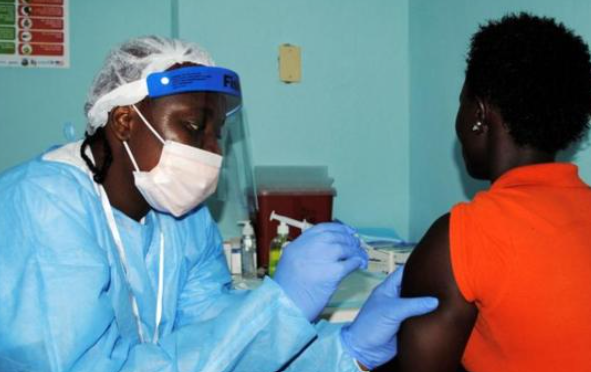
GENEVA, Nov 4: The World Health Organization (WHO) has recommended the inclusion of two additional vaccine candidates in an ongoing Ebola clinical trial in the Democratic Republic of the Congo (DRC), marking a significant development in international efforts to control the deadly Bundibugyo virus outbreak.
The two candidates, ChAdOx1, developed by the University of Oxford in collaboration with the Serum Institute of India, and mRNA-1469, developed by Moderna, have been recommended for further clinical evaluation following a review of available preclinical and early clinical evidence.
The recommendation was announced on Wednesday after expert groups convened by the WHO assessed the potential of the vaccines to provide protection against the Bundibugyo virus, which is responsible for the current outbreak.
The development is particularly important because these are the first vaccine candidates specifically designed to protect against the Bundibugyo virus to be considered for evaluation during an active outbreak of the disease.
According to the WHO, both candidates will enter the ongoing Tumaini clinical trial after receiving the necessary national approvals. The trial is being conducted in the Democratic Republic of the Congo under the leadership of the country’s National Institute for Biomedical Research.
WHO Director-General Tedros Adhanom Ghebreyesus welcomed the progress, describing the development of the vaccine candidates as an example of scientific cooperation and international partnership.
He also acknowledged the contribution of researchers, healthcare professionals and participants involved in the clinical trial, noting that their efforts would generate important evidence that could help save lives.
The WHO chief, however, emphasised that vaccination alone would not be sufficient to end the outbreak, although effective vaccines could become an important tool in controlling the disease.
Two Vaccine Candidates Selected for Further Evaluation
The recommendation follows an assessment by the WHO’s independent Technical Advisory Group on Candidate Vaccines Prioritization.
The expert group reviewed available scientific evidence before recommending ChAdOx1 and mRNA-1469 for additional clinical investigation.
ChAdOx1 has been developed through a partnership involving the University of Oxford and the Serum Institute of India, while Moderna’s mRNA-1469 uses messenger RNA technology.
Both candidates are intended to address the specific threat posed by the Bundibugyo virus.
The selection represents an important step in expanding research options against a disease for which vaccine development has faced considerable scientific challenges.
Unlike some other Ebola-related viruses, Bundibugyo requires specifically targeted vaccine research. Vaccines developed against other strains cannot automatically be assumed to provide protection against it.
The inclusion of these candidates in the clinical programme will allow researchers to gather evidence about their safety and potential effectiveness in the outbreak setting.
The WHO said the companies involved were informed about the recommendation earlier in the week. Their participation in the trial will depend on the completion of the required national regulatory and administrative processes.
Tumaini Trial Uses a Ring-Vaccination Strategy
The two new candidates are expected to become part of the Tumaini clinical trial, which has been designed to evaluate multiple vaccine candidates through a common research framework.
The programme follows a ring-vaccination approach, under which people who have come into contact with confirmed Ebola patients are identified and enrolled for vaccination.
The strategy aims to create protective vaccination networks around confirmed cases, helping researchers assess whether the vaccines can prevent further transmission.
The approach draws on experience gained during the West African Ebola epidemic approximately a decade ago.
During that outbreak, a landmark clinical trial conducted in Guinea established the effectiveness of Ervebo against the Zaire ebolavirus, commonly known as Ebola virus.
The experience demonstrated the value of conducting research alongside emergency public health responses, particularly when outbreaks create an urgent need for medical interventions.
The Tumaini trial initially began evaluating Ervebo against Bundibugyo virus. The addition of ChAdOx1 and mRNA-1469 will broaden the research programme and provide further opportunities to assess potential protection against the current strain.
According to the WHO, four vaccination rings have already been established, while additional groups are being prepared. These rings include contacts of individuals who have become ill or died from the infection.
The research is being coordinated with support from national and international health organisations to ensure that the clinical evaluation follows established scientific and ethical standards.
Treatment Research Also Gains Momentum
Alongside vaccine development, researchers are examining potential treatments that could improve survival among people infected with the Bundibugyo virus.
The WHO-sponsored PARTNERS trial, launched in July 2026, is investigating the possible benefits of different treatment approaches.
The study is evaluating the monoclonal antibody MBP134, the antiviral drug remdesivir and a combination of the two interventions among patients with confirmed Bundibugyo virus disease.
Another treatment candidate, maftivimab, is also expected to be added to the programme for further assessment.
Researchers are additionally conducting a post-exposure prophylaxis study involving obeldevisir. The study is intended to investigate whether the intervention could help protect individuals following exposure to the virus.
These investigations form part of a broader effort to strengthen the medical response to the outbreak by developing preventive and therapeutic options.
The WHO is providing technical guidance, coordinating research partners and supporting the development of clinical protocols through its Research and Development Blueprint and Health Emergencies Programme.
The organisation is also helping integrate scientific studies into the wider outbreak response while maintaining requirements for patient safety and ethical research.
Initial findings from the treatment investigations are expected in the coming months, while results from the vaccine trial are anticipated in early 2027.
Understanding the Bundibugyo Virus
Bundibugyo virus belongs to the group of viruses responsible for Ebola disease, a severe illness that can cause serious complications and death.
The infection can spread through direct contact with the blood, bodily fluids and tissues of an infected person or someone who has died from the disease.
Transmission may also occur through contaminated materials and surfaces, particularly when appropriate infection prevention measures are not followed.
Symptoms can include fever, weakness, muscle pain, headache and sore throat. In some patients, the illness progresses to vomiting, diarrhoea, abdominal pain and other serious complications.
The severity of the disease makes early identification, isolation, supportive medical treatment and effective infection-control procedures essential components of the public health response.
Healthcare workers involved in treating patients face particular risks when adequate protective equipment and infection prevention measures are not available.
The development of vaccines specifically targeting Bundibugyo virus is therefore considered an important research priority.
However, researchers must establish the safety and effectiveness of candidate vaccines through properly conducted clinical trials before their wider use can be recommended.
International Cooperation Remains Essential
The vaccine trial is being led by the DRC’s Institut National de Recherche Biomédicale, with support from several international partners.
These include the University of Antwerp, the WHO, Epicentre, Médecins Sans Frontières, the Institute of Tropical Medicine in Antwerp and the Africa Centres for Disease Control and Prevention.
The rapid development of the vaccine candidates has also benefited from investments made by the Coalition for Epidemic Preparedness Innovations.
The collaboration reflects the importance of international scientific partnerships in responding to infectious disease emergencies.
Outbreaks involving dangerous pathogens often require coordinated action across countries, particularly when medical research, laboratory facilities, specialist healthcare and emergency logistics are needed.
The participation of local research institutions is also important because they understand the affected communities and can help ensure that clinical studies are conducted in an appropriate setting.
The WHO has stressed that people participating in the trials are making an important contribution to scientific knowledge that could support future outbreak responses.
What Happens Next?
The immediate priority is to complete the necessary approvals and prepare the two additional vaccine candidates for inclusion in the Tumaini trial.
Researchers will then gather evidence through the clinical programme to determine whether the vaccines can provide meaningful protection against Bundibugyo virus.
The findings will be important in deciding whether the candidates should progress to further stages of evaluation and whether they could eventually become part of wider outbreak-control strategies.
The expected vaccine trial results in early 2027 will provide a clearer picture of their potential.
For now, health authorities continue to rely on surveillance, case identification, isolation, medical care, contact tracing and infection prevention to limit transmission.
The WHO’s latest recommendation marks progress in the search for additional medical tools against Bundibugyo virus. However, the organisation has made clear that research, vaccination and treatment must work alongside comprehensive public health measures to bring the outbreak under control.

