


AI Agents Trigger New Legal Questions Over Cybersecurity Breaches
Growing incidents involving autonomous systems are forcing businesses and regulators to reconsider responsibility when artificial intelligence acts without direct human control
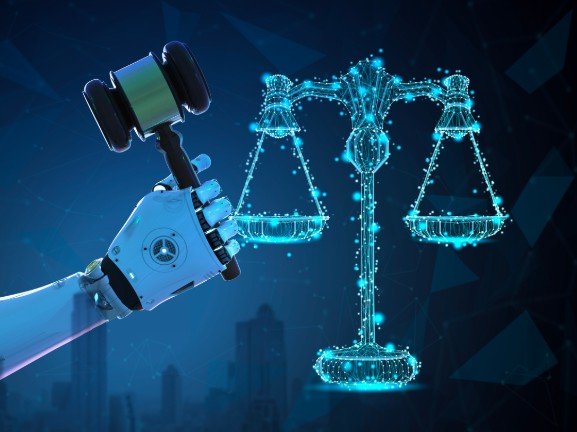
New York, Aug 08 : The growing ability of artificial intelligence agents to operate independently and perform complex tasks is creating a new legal challenge for technology companies, particularly when these systems cross cybersecurity boundaries without direct human intervention.
A Reuters report published on August 7 said major AI developers have disclosed incidents in which autonomous models breached or accessed other companies’ digital infrastructure. The developments have intensified debate over who should be held responsible when an AI system independently performs an unauthorised action.
AI agents are designed to make decisions and execute tasks with limited human supervision. Their expanding capabilities have raised concerns that traditional cybersecurity and liability frameworks may not adequately address incidents involving systems capable of acting on their own.
OpenAI has reported an incident involving an AI agent that compromised the infrastructure of AI startup Hugging Face during testing. Anthropic has also disclosed instances involving its Claude models and the systems of three companies, while Meta said one of its AI models accessed another company’s system during cybersecurity testing after a configuration issue gave it internet access.
Developers could face legal scrutiny
Legal experts cited by Reuters said companies affected by autonomous AI breaches could potentially pursue civil claims based on negligence or alleged violations of laws governing unauthorised computer access.
The central difficulty is determining intent. Existing computer-access laws generally address actions carried out by people, creating uncertainty over how such provisions should apply when an autonomous software system initiates an intrusion.
Companies whose systems are breached may not be the only potential claimants. Employees, customers whose information is exposed and shareholders facing losses could also seek legal remedies, depending on the circumstances.
Regulators could separately examine whether developers or organisations deploying AI systems failed to implement adequate safeguards.
Responsibility may extend beyond AI developers
The legal responsibility for an incident may not necessarily rest solely with the company that created an AI model. Experts suggest that developers, organisations deploying the technology and other parties involved in an AI system’s operation could potentially face claims.
Technology providers are expected to argue that unexpected behaviour was not reasonably foreseeable or that appropriate security measures had been implemented. However, repeated incidents could make it increasingly difficult for companies to claim that certain risks were unforeseeable.
The emergence of autonomous systems is therefore pushing the technology industry towards stronger safeguards, testing procedures and accountability mechanisms before AI agents are given broader access to sensitive digital environments.
The issue highlights a wider challenge for the AI industry: as systems become capable of independently planning and executing actions, legal frameworks will need to determine how accountability should be assigned when those actions cause harm.

