


AIIMS Delhi Launches ₹2.94-Crore Research Project to Strengthen Tuberculosis Treatment
Three year initiative supported by Union Bank of India will examine the genetic and physical characteristics of tuberculosis bacteria to improve understanding of drug resistance and treatment outcomes.
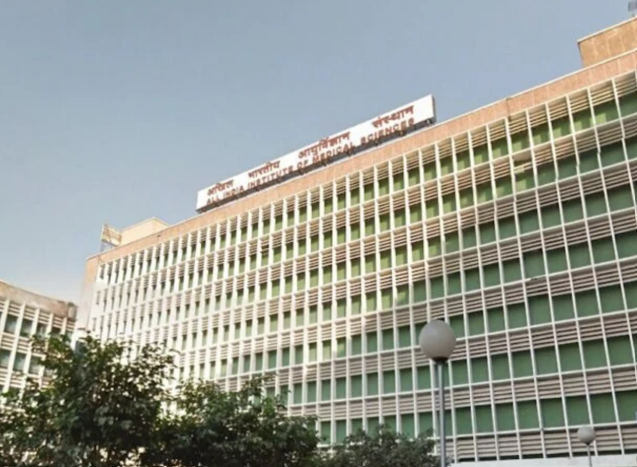
NEW DELHI, October 8: The All India Institute of Medical Sciences (AIIMS), New Delhi, has launched a three-year research initiative to examine the genetic and physical characteristics of the bacterium responsible for tuberculosis (TB), in a move aimed at strengthening scientific understanding of the disease and supporting better treatment strategies.
The project, supported by Union Bank of India through its corporate social responsibility (CSR) programme, involves funding of ₹2.94 crore. It seeks to investigate how the characteristics of Mycobacterium tuberculosis may be associated with the clinical course of the disease, including drug resistance and variations in treatment outcomes.
The initiative was launched at the Department of Medicine at AIIMS on October 6, with the partnership highlighting the role of collaboration between medical research institutions and public-sector organisations in addressing major public health challenges.
Tuberculosis remains a significant healthcare concern in India, where early diagnosis, effective treatment, identification of drug-resistant infections and continuity of care are essential to reducing the burden of the disease. Researchers believe that a deeper understanding of the organism responsible for TB could help strengthen the scientific foundation for future approaches to diagnosis and patient management.
Research to examine bacterial characteristics
The project will focus on the genetic and observable characteristics of Mycobacterium tuberculosis. By examining these features and their potential relationship with clinical outcomes, researchers aim to develop a more detailed understanding of how the disease behaves in different patients.
TB is an infectious disease that primarily affects the lungs, although it can also involve other parts of the body. It spreads through the air when a person with infectious pulmonary TB releases bacteria while coughing, speaking or otherwise generating airborne particles.
Although TB is preventable and treatable, the disease continues to place pressure on healthcare systems, particularly in settings where diagnosis is delayed, treatment is interrupted or drug resistance complicates clinical management.
The response to TB requires more than identifying infections. Healthcare professionals must also determine appropriate treatment, monitor patients throughout the treatment period and address factors that can contribute to poor outcomes.
Drug resistance is one of the major challenges in tuberculosis control. Some infections do not respond to commonly used medicines, requiring specialised testing and treatment regimens. Understanding the biological characteristics of the bacteria may help researchers investigate why clinical outcomes differ between patients and how resistance is associated with particular features of the organism.
The AIIMS initiative is intended to contribute to this body of scientific evidence. It is not a replacement for existing diagnostic or treatment protocols, but a research effort designed to strengthen the knowledge supporting future improvements in TB care.
Collaboration between AIIMS and Union Bank
The project reflects an expanding role for corporate social responsibility funding in healthcare research. While CSR programmes frequently support public services, infrastructure and community welfare, partnerships with medical institutions can also direct resources towards specialised research that may have long-term public health benefits.
Prof. Nikhil Tandon, Director of AIIMS New Delhi, highlighted the importance of cooperation between academic institutions and public-sector organisations in tackling major health challenges.
Union Bank of India Managing Director and Chief Executive Officer Asheesh Pandey and General Manager H. K. Das, Delhi Zone, were among those present at the launch.
Avinash Chandra, Regional Assurance Head for Delhi South at Union Bank, described the initiative as an important health project for the zone and emphasised the need to support high-quality research that can translate scientific findings into practical healthcare improvements.
The partnership demonstrates how financial support from outside the conventional research funding system can help medical institutions pursue questions that require sustained investigation and specialised expertise.
For researchers, such projects are important because understanding the causes of treatment variation requires systematic investigation. Laboratory findings must be assessed alongside clinical information before they can be translated into reliable recommendations for doctors and public health authorities.
India’s continuing tuberculosis challenge
India has made tuberculosis elimination a major public health priority through screening, diagnosis, treatment and community outreach programmes. However, achieving sustained progress requires continued efforts to identify infections early and ensure that patients complete appropriate treatment.
According to figures cited in reporting on the project, more than 20 crore vulnerable people had been screened under the TB Mukt Bharat Abhiyaan, and more than 28 lakh TB patients had been diagnosed by March 2026.
Delhi has also expanded its screening activities. During a review in July 2026, the Union Health Ministry reported that the capital had screened 28.83 lakh people, conducted 21.67 lakh chest X-rays and carried out 3.65 lakh molecular tests. The review also cited 1.75 lakh TB patients notified under the campaign.
These figures underline the scale of screening and diagnostic activity required to identify cases across large populations. However, the detection of infections is only one part of the overall response.
Patients must be connected with treatment services, receive medicines appropriate to their condition and remain under medical supervision. Interruptions in treatment can create additional challenges for patients and public health programmes, while drug-resistant TB requires specialised clinical assessment.
Researchers therefore continue to examine how laboratory science, diagnostic technologies and patient-level clinical information can complement existing public health measures.
Why studying the bacterium matters
Tuberculosis is caused by a bacterium with biological characteristics that can influence its behaviour and response to treatment. Investigating its genetic makeup and observable features can help scientists understand differences between bacterial strains and explore possible links with the progression of infection.
Such research may also improve understanding of drug resistance, which develops when bacteria become capable of surviving medicines that would ordinarily kill them or stop their growth.
Nevertheless, the relationship between bacterial characteristics and clinical outcomes is complex. A patient’s response to treatment can also depend on the medicines used, the timing of diagnosis, other medical conditions, treatment adherence and access to appropriate healthcare.
For this reason, laboratory findings must be interpreted carefully and evaluated alongside clinical evidence. Any future changes to diagnostic approaches or treatment guidelines would require adequate scientific validation.
The three-year AIIMS project provides an opportunity to investigate these questions in a structured research setting. Its findings could contribute to a stronger evidence base for understanding TB, although the initiative’s precise clinical benefits will depend on the results generated during the study.
Importance of sustained investment in research
Public health experts have long emphasised that tuberculosis control requires coordinated action across prevention, diagnosis, treatment, research and patient support.
Screening campaigns can help detect infections, while molecular tests can assist in diagnosis and the identification of drug resistance. Medical research adds another dimension by investigating the underlying biological mechanisms that may explain why the disease behaves differently across patients.
Funding such research is particularly important because scientific investigations often require several years of work before their findings can be evaluated and applied.
The AIIMS-Union Bank initiative illustrates how cooperation between healthcare institutions and corporate organisations can contribute to this process. It also highlights the need to connect scientific discovery with the practical requirements of India’s public health system.
For patients, the immediate priority remains timely diagnosis and completion of the treatment prescribed by qualified healthcare professionals. For researchers, the longer-term challenge is to generate evidence that can make diagnosis more precise, treatment decisions better informed and disease-control efforts more effective.
As India continues its campaign against tuberculosis, studies examining the biology of the bacterium may help strengthen the scientific foundations of future interventions. The project is one component of a wider effort that depends on continued investment, effective healthcare delivery and sustained collaboration between research institutions and public health authorities.

