


China Strengthens Military Presence Around Taiwan After Political Tensions Rise
Beijing launches fresh military drills while regional nations call for restraint and dialogue.
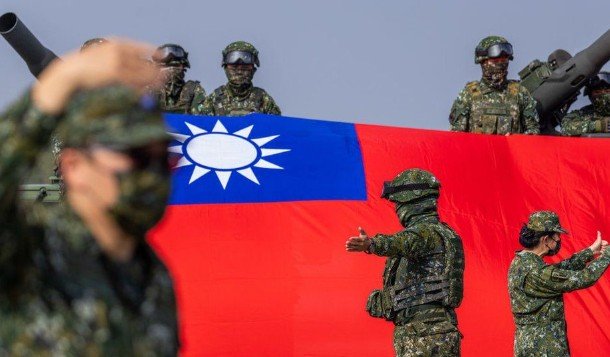
Beijing/Taipei, May 29: China significantly increased its military activities around Taiwan over the weekend, conducting large-scale air and naval exercises that further heightened tensions across the Taiwan Strait. The military manoeuvres came amid renewed political disagreements between Beijing and Taipei, drawing international attention and prompting calls for restraint from several countries.
China’s military announced that the exercises involved fighter aircraft, naval destroyers, missile units and surveillance operations designed to test joint combat readiness. Officials described the drills as a response to what Beijing considers separatist activities and growing foreign involvement in Taiwan-related affairs.
Taiwan’s defence ministry reported that multiple Chinese aircraft and naval vessels entered areas surrounding the island, prompting Taiwanese armed forces to deploy fighter jets, naval patrols and missile monitoring systems. Authorities stated that the island’s military remained fully prepared to respond while avoiding unnecessary escalation.
The exercises unfolded across several strategic maritime zones near Taiwan, with Chinese military aircraft conducting repeated sorties and naval vessels carrying out coordinated operations. Defence analysts observed that the drills reflected Beijing’s continued emphasis on demonstrating military capability and maintaining pressure around the island.
Taiwanese officials criticised the military activities, arguing that such operations threaten regional stability and increase the risk of accidental confrontation. Government representatives reaffirmed Taiwan’s commitment to maintaining peace while continuing to strengthen its defensive capabilities.
The United States expressed concern over the latest developments, reiterating the importance of maintaining peace and stability in the Taiwan Strait. American officials urged all parties to avoid actions that could heighten tensions and emphasised support for peaceful resolution of cross-strait differences.
Japan, Australia and several European governments also appealed for dialogue, warning that continued military escalation could disrupt regional security and international trade routes. The Taiwan Strait remains one of the world’s busiest maritime corridors, making stability in the region crucial for global commerce.
Security experts noted that military exercises around Taiwan have become more frequent in recent years, reflecting increasing strategic competition in the Indo-Pacific region. They cautioned that repeated military deployments raise the possibility of unintended incidents involving aircraft or naval vessels operating in close proximity.
Financial markets closely monitored the developments, with investors assessing potential risks to semiconductor supply chains and regional shipping routes. Taiwan remains a leading producer of advanced semiconductor components that are critical for global technology industries.
Chinese officials maintained that the exercises were conducted within the framework of national sovereignty and territorial integrity. Beijing continues to regard Taiwan as part of its territory and opposes any moves toward formal independence.
Taiwan, however, maintains its own democratic government and administrative system, with leaders asserting that the island’s future should be determined peacefully by its people. The differing political positions remain at the heart of long-standing cross-strait tensions.
Regional analysts believe sustained diplomatic engagement remains essential to prevent further deterioration of security conditions in East Asia. They argue that confidence-building measures, military communication channels and continued dialogue could help reduce the risk of misunderstanding during periods of heightened military activity.
As military exercises conclude, international observers will continue monitoring diplomatic exchanges between Beijing, Taipei and major regional stakeholders. The evolving situation is expected to remain one of the most significant geopolitical developments affecting Indo-Pacific security throughout 2026.

