


Congress Criticises PM, Raises Questions Over Position on Israel-Lebanon Tensions
Opposition raises concerns over New Delhi’s response to escalating West Asia tensions as diplomatic efforts continue to prevent a wider regional conflict.
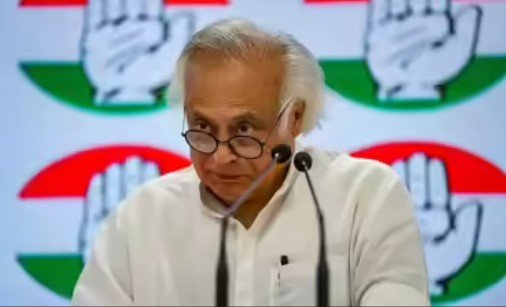
New Delhi, June 02 : The Congress on Tuesday sharpened its criticism of Prime Minister Narendra Modi over the government’s response to the ongoing conflict in West Asia, alleging that India has remained largely silent despite escalating hostilities involving Israel and Lebanon.
Congress communications chief Jairam Ramesh argued that developments in the region carry significant implications for India, particularly in relation to energy security, trade routes, and overall economic stability. He said ongoing diplomatic engagement between the United States and Iran remains crucial for reducing tensions and restoring normalcy in the region.
According to Ramesh, a successful understanding between Washington and Tehran could help ease geopolitical uncertainty and contribute to the reopening of key maritime trade channels, including the Strait of Hormuz. Such a development, he noted, would have a direct impact on global crude oil markets and could benefit countries heavily dependent on energy imports, including India.
The Congress leader contended that continuing military operations in Lebanon have complicated international efforts aimed at reducing tensions and advancing diplomatic negotiations. He claimed that the conflict has emerged as one of the major obstacles to broader regional stability.
Taking aim at the Prime Minister, Ramesh questioned the government’s public position on the issue and alleged that New Delhi has not spoken strongly enough regarding the humanitarian and geopolitical consequences of the conflict. He also made a political remark directed at the Prime Minister, drawing attention to what he described as a contrast between international and domestic priorities.
The criticism came amid reports of growing differences between the United States and Israel over military actions in Lebanon. International media reports indicated that US President Donald Trump personally intervened in an effort to prevent further escalation in Beirut following concerns that renewed strikes could derail ongoing diplomatic initiatives.
Trump later stated that he had spoken directly with Israeli Prime Minister Benjamin Netanyahu and urged restraint. According to the US president, the conversation resulted in a decision to avoid a major military operation that could have intensified the situation.
The American leader also indicated that discussions had taken place with intermediaries connected to Hezbollah, with the objective of reducing hostilities and preventing additional cross-border attacks. These diplomatic contacts were viewed as part of a broader effort to keep negotiations involving regional stakeholders on track.
Reports from US-based media outlets suggested that discussions between Washington and Tel Aviv had become increasingly tense as concerns mounted over the possibility of a wider regional confrontation. Analysts believe that any further escalation could have significant consequences for global energy markets, international shipping routes, and ongoing diplomatic initiatives.
The latest exchange of political remarks in India reflects how developments in West Asia continue to influence domestic debates on foreign policy. With the region remaining strategically important for India’s energy needs and economic interests, opposition parties are likely to keep pressing the government for greater clarity on its diplomatic approach.
As international efforts continue to prevent a broader conflict, attention remains focused on whether ongoing negotiations can produce a sustainable framework for de-escalation and regional stability.

