


Delhi LG Urges MCD to Replicate Indore’s Successful Waste Management Model
Lieutenant Governor Taranjit Singh Sandhu directs MCD to pilot Indore's waste management model, accelerate scientific waste processing, and intensify efforts against pollution, waterlogging and vector borne diseases.
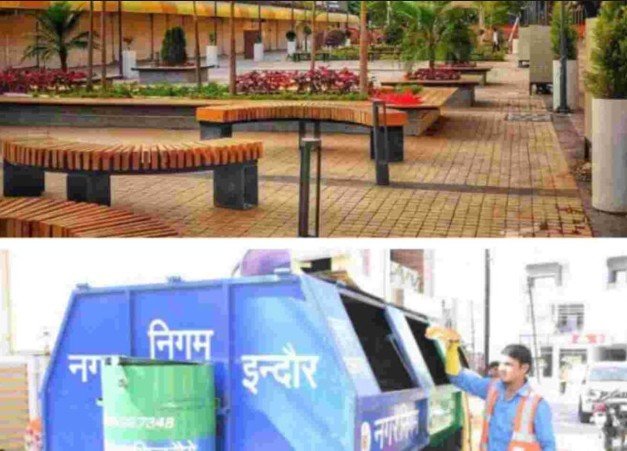
New Delhi, July 28: Delhi Lieutenant Governor Taranjit Singh Sandhu has directed the Municipal Corporation of Delhi (MCD) to study and introduce the successful Indore waste management model on a pilot basis in one municipal zone, aiming to improve the Capital’s sanitation system and reduce dependence on landfill sites. The direction came during a comprehensive review meeting that assessed the city’s preparedness for monsoon-related civic challenges, including waste disposal, waterlogging, mosquito-borne diseases and the upcoming winter air pollution season.
The high-level meeting was attended by the MCD Commissioner, Additional Commissioners and Deputy Commissioners from different civic zones. Discussions focused on strengthening municipal services, ensuring timely execution of sanitation projects and improving coordination among departments responsible for public health and urban infrastructure.
Pilot Project Based on Indore’s Success
Highlighting Indore’s reputation as one of India’s cleanest cities, the Lieutenant Governor instructed civic officials to evaluate whether its waste management practices could be replicated in Delhi. He proposed implementing the model initially in a single MCD zone as a pilot project before considering expansion across the city.
The initiative is expected to examine methods such as efficient door-to-door waste collection, improved segregation at source, scientific waste processing and better monitoring systems that have contributed to Indore’s success in urban sanitation.
According to officials, the pilot project would help assess the feasibility of adapting proven practices to Delhi’s larger and more complex urban landscape while addressing the city’s growing waste management challenges.
Scientific Processing of Fresh Waste Prioritised
During the review, the Lieutenant Governor acknowledged the progress made in reducing the enormous legacy waste accumulated at Delhi’s landfill sites. However, he stressed that removing old garbage alone would not solve the city’s long-term waste crisis unless newly generated waste is processed scientifically every day.
He instructed municipal authorities to establish an effective monitoring mechanism to ensure that the quantity of waste processed daily matches the volume of garbage generated across the city. Such a system, he said, would prevent fresh waste from adding to existing landfill mountains and support sustainable waste management practices.
Officials were also asked to regularly review waste processing facilities and improve operational efficiency to avoid future accumulation.
Concern Over Low Waste Segregation
Expressing concern over the current state of municipal waste management, the Lieutenant Governor observed that a significant portion of Delhi’s household waste continues to remain unsegregated at the source. This, he noted, limits recycling opportunities and increases the burden on landfill sites.
He pointed out that nearly half of the city’s daily waste still reaches dumping grounds instead of being scientifically treated or recycled. Improving segregation at the household level, strengthening public awareness and enhancing collection systems were identified as essential steps towards building a cleaner urban environment.
Officials were encouraged to adopt technology driven monitoring systems and encourage greater citizen participation in waste segregation programmes.
Review of Monsoon Preparedness
The meeting also assessed the city’s readiness to deal with monsoon related civic issues. Officials presented updates on desilting of drains, measures to prevent waterlogging and ongoing sanitation drives across municipal zones.
The Lieutenant Governor directed departments to maintain continuous monitoring of vulnerable areas to minimise flooding during heavy rainfall and ensure that emergency response teams remain prepared throughout the monsoon season.
Special emphasis was placed on maintaining drainage infrastructure, clearing blocked drains and improving coordination among civic agencies responsible for flood management.
Focus on Dengue and Malaria Prevention
With the monsoon creating favourable conditions for mosquito breeding, the review included an assessment of preventive measures against vector-borne diseases such as dengue and malaria.
Municipal authorities were instructed to intensify anti larval operations, fogging drives and sanitation campaigns in vulnerable localities. Officials were also asked to increase public awareness initiatives encouraging residents to eliminate stagnant water around homes and commercial establishments.
The administration emphasised that timely preventive measures remain critical in reducing disease outbreaks during the rainy season.
Preparations Begin for Winter Air Pollution
Looking ahead to the winter months, the Lieutenant Governor directed officials to begin preparations well in advance to reduce seasonal air pollution across Delhi.
He instructed civic departments to formulate a comprehensive action plan focusing on road resurfacing, dust control measures and improved maintenance of public infrastructure. Better road conditions, he noted, can significantly reduce dust emissions, which contribute to deteriorating air quality during winter.
Authorities were also asked to coordinate with relevant agencies to ensure timely implementation of pollution-control measures before the onset of the high-pollution season.
Road Safety and Urban Infrastructure Under Review
Apart from sanitation and environmental issues, the meeting reviewed traffic congestion caused by toll plazas and examined the progress of the PM-UDAY scheme.
The Lieutenant Governor directed the MCD to undertake a dedicated road safety audit of roads maintained by the civic body. The audit will identify hazardous stretches, damaged road infrastructure and accident prone locations requiring immediate corrective measures.
Officials were instructed to ensure that road maintenance and safety improvements are carried out without delay to enhance commuter safety.

