


Dollar rallies as Gulf tensions lift oil, revive Fed rate-hike fears
Fresh U.S.-Iran tensions sent crude prices higher and strengthened demand for the dollar, while fears of renewed inflationary pressure kept the yen weak and global currency markets cautious.
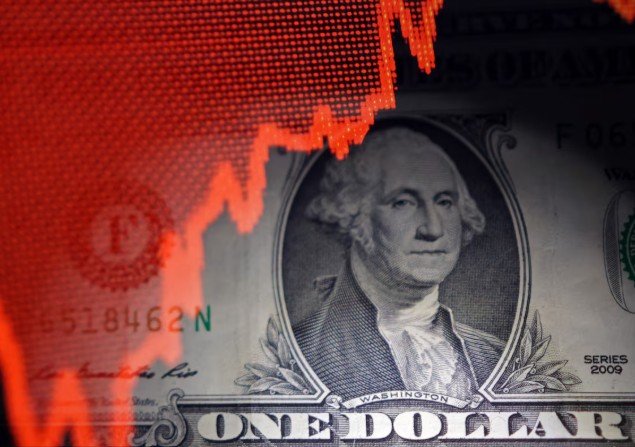
US, July 09 : The U.S. dollar remained resilient in global currency markets on Thursday as escalating tensions in the Gulf region pushed oil prices sharply higher and revived expectations that the Federal Reserve may have to keep monetary policy tighter for longer. Investors moved cautiously across asset classes after a renewed flare up in the Middle East added a fresh geopolitical risk premium to markets, lifting the greenback and keeping pressure on currencies sensitive to higher energy costs and shifting interest-rate expectations.
The dollar’s strength was most visible against the Japanese yen, with the U.S. currency trading at 162.41 yen, close to its strongest level since July 1. The move reflected a combination of safe-haven demand for the dollar and continued weakness in the yen, which has remained vulnerable as widening interest-rate differentials between the United States and Japan continue to weigh on Japan’s currency. Traders also kept a close watch on whether Japanese authorities would signal discomfort over renewed yen weakness, particularly if the currency drifts toward levels that could trigger intervention concerns.
Against Europe’s major currencies, the dollar was largely steady. The euro traded at $1.1426, while the British pound stood at $1.3392, with both currencies showing limited movement as investors assessed the broader implications of rising crude prices, geopolitical uncertainty and the possibility of a more hawkish Federal Reserve stance. The U.S. dollar index, which tracks the greenback against a basket of six major peers, was little changed at 100.96, indicating that while the dollar was not surging across the board, it remained firmly supported by the prevailing risk environment.
Commodity-linked currencies, however, painted a more mixed picture. The New Zealand dollar stayed well bid after the Reserve Bank of New Zealand delivered a rate hike in its previous policy decision and maintained a hawkish tone on inflation and future tightening risks. The kiwi extended its gains by 0.5 per cent to $0.5725, supported by expectations that New Zealand’s central bank may continue to keep rates elevated if inflation proves sticky. The Australian dollar also edged higher, rising 0.1 per cent to $0.6936, though its gains remained modest as investors balanced support from higher commodity prices against caution over the broader global growth outlook.
Market participants said the key driver behind the latest moves was the sudden deterioration in geopolitical sentiment after the United States launched fresh strikes on Iran. The action came just hours after U.S. President Donald Trump declared that an interim agreement aimed at ending the conflict was effectively over, reigniting fears of a prolonged confrontation in a region critical to global energy supplies. Oil prices climbed sharply in response, with traders pricing in the risk of supply disruptions, shipping bottlenecks and a broader regional escalation that could keep crude markets on edge for an extended period.
Analysts noted that while geopolitical shocks often trigger an immediate rush into traditional safe-haven assets, the impact of higher oil prices may ultimately prove even more important for the direction of currencies and global monetary policy. Rising crude costs can feed directly into transport, manufacturing and household energy bills, potentially lifting headline inflation and complicating the task of central banks that had hoped to move toward a more stable rate environment in the second half of the year.
Kyle Rodda, senior financial market analyst at Capital.com, said the resurgence of Middle East tensions had unsettled investors and forced a reassessment of risk across global markets. According to him, the return of a war risk premium into asset prices was not only affecting oil and equities but also reshaping expectations for interest rates and inflation. In particular, the renewed rise in crude prices has raised concerns that the U.S. Federal Reserve may need to keep rates elevated for longer than markets had anticipated, or even consider another hike if inflationary pressures intensify.
That possibility has become increasingly important for currency traders. In recent months, hopes that inflation in the United States would gradually cool had encouraged expectations that the Fed was nearing the end of its tightening cycle. But a sustained spike in oil prices could alter that outlook by adding a new layer of inflation risk to an already fragile global environment. If energy costs remain elevated, policymakers may find it harder to justify a dovish shift, especially if price pressures begin to spread beyond fuel and transport into broader consumer sectors.
The dollar tends to benefit in such conditions for two reasons. First, it attracts safe-haven flows whenever geopolitical instability rises and investors seek liquid, defensive assets. Second, higher U.S. interest-rate expectations generally make dollar-denominated assets more attractive relative to currencies backed by lower-yielding central banks. This combination has once again put the greenback in a favourable position, even as markets remain uncertain about how long the latest geopolitical flare-up will last.
The yen, by contrast, has remained under strain because Japan’s monetary policy settings continue to lag far behind those of other major economies. Even though the Bank of Japan has gradually moved away from its ultra-loose stance, borrowing costs in Japan remain extremely low compared with those in the United States. That leaves the yen especially vulnerable whenever U.S. Treasury yields rise or Fed tightening bets return to the market. For investors, the currency still serves as a funding vehicle in carry trades, a factor that can accelerate weakness when risk appetite does not collapse outright.
The euro and pound have shown greater stability, but they too face a complex backdrop. Europe and the United Kingdom are both exposed to energy market volatility, and any sustained rise in crude prices could complicate their inflation outlooks as well. At the same time, weak growth momentum in several advanced economies limits the room central banks have to tighten policy further. This leaves both the European Central Bank and the Bank of England walking a narrow path between containing inflation and protecting already fragile recoveries.
For commodity exporters such as New Zealand and Australia, the picture is more nuanced. Higher commodity prices can support export earnings and improve terms of trade, offering some support to their currencies. But if oil-driven inflation leads to a global slowdown or tighter financial conditions, those gains can quickly fade. In New Zealand’s case, the immediate driver remained domestic monetary policy, with the central bank’s hawkish posture giving the kiwi a clear advantage in the short term. In Australia, investors are still weighing whether inflation and wage trends will force the Reserve Bank of Australia into a firmer policy stance, even as China-related demand concerns continue to cloud the external outlook.
The latest currency moves also reflect a broader shift in investor psychology. For much of the year, markets had been trying to price in a gradual easing of global inflation pressures, the prospect of lower rates in some economies and a more stable geopolitical environment. The renewed conflict in the Gulf has disrupted that narrative by reintroducing the twin threats of supply-side inflation and heightened political risk. As a result, traders are now recalibrating their assumptions not only about where oil prices might head next, but also about how central banks may react if inflation proves more persistent than expected.
For the Federal Reserve, the implications are particularly significant. Any meaningful and sustained increase in energy prices could influence inflation expectations among households and businesses, making it harder for policymakers to declare victory over price pressures. While one spike in oil may not be enough to force immediate action, the risk of a broader inflation rebound could keep the Fed cautious in its communication and delay any shift toward easier policy. That prospect has become one of the main pillars supporting the dollar in the current environment.
Looking ahead, traders are expected to remain highly sensitive to developments in both the Middle East and the oil market. Further military escalation, threats to shipping routes, or evidence of disruption to energy exports could push crude prices higher and reinforce the dollar’s safe-haven appeal. On the other hand, any diplomatic breakthrough or de-escalation could reduce some of the risk premium and ease pressure on currencies such as the yen and euro. In the near term, however, market sentiment appears firmly anchored to geopolitical headlines and the inflation risks that come with them.
With the dollar holding close to recent highs, the yen on the defensive and oil markets once again driving global sentiment, currency markets are entering another phase where geopolitics and central bank expectations are tightly intertwined. Investors now face the difficult task of balancing the immediate shock of conflict with the longer-term implications for inflation, growth and monetary policy. For now, the greenback remains the chief beneficiary of that uncertainty, standing tall as markets brace for the next move in both the Gulf crisis and the global interest-rate cycle.

