


European Leaders Push for Stronger Climate Measures Following Extreme Weather Alerts
Governments across Europe accelerate environmental policies after scientists warn of rising climate related risks.
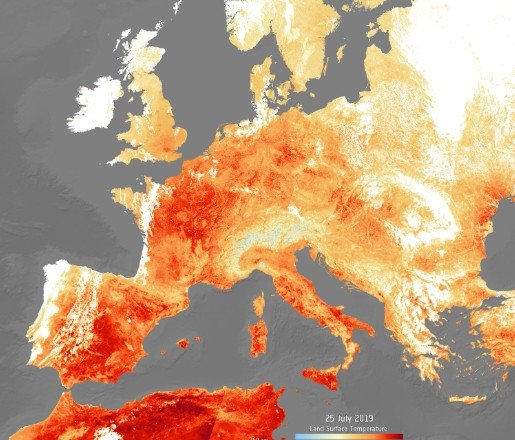
BRUSSELS — European leaders intensified calls for stronger climate policies on May 7, 2026, following a series of scientific warnings about worsening extreme weather conditions affecting multiple parts of the continent. Officials from across the European Union gathered in Brussels to discuss coordinated environmental strategies, renewable energy expansion, and emergency preparedness measures aimed at reducing the long-term impact of climate change.
The urgent discussions came after several European countries experienced unusual weather patterns, including early heatwaves, heavy rainfall, flooding threats, and agricultural disruptions. Scientists warned that Europe is warming faster than many other regions globally, increasing risks to infrastructure, food production, public health, and water resources.
European Commission leaders stressed that immediate action is necessary to meet climate goals and prevent future environmental crises. Policymakers urged member nations to speed up investments in solar energy, wind power, electric transportation, and carbon reduction technologies.
Environmental experts presented new findings showing that rising global temperatures are increasing the frequency and intensity of natural disasters across Europe. Researchers warned that without stronger climate adaptation measures, many regions could face severe economic and environmental consequences over the next decade.
Several governments announced new plans to strengthen green infrastructure projects and improve disaster response systems. Countries including Germany, France, and Italy pledged additional funding for renewable energy development and climate resilience programs.
European officials also discussed ways to reduce dependence on fossil fuels while maintaining stable energy supplies and affordable electricity prices for consumers. Energy security remains a major challenge for many countries transitioning toward cleaner energy sources.
Climate activists welcomed the renewed political attention but argued that governments must move faster to meet emissions reduction targets outlined in previous international agreements. Environmental organizations called for stricter regulations on industrial pollution and greater accountability for high-emission sectors.
Farmers and agricultural groups expressed concern about the growing impact of climate instability on crop production and food supply chains. Unpredictable rainfall and rising temperatures have already affected harvests in several regions, increasing fears about long-term food security.
Economic experts warned that climate related disasters could place enormous financial pressure on governments, insurance industries, and businesses if preventive measures are delayed. Flood damage, heat-related emergencies, and infrastructure repairs are expected to become increasingly costly in the coming years.
European leaders emphasized the importance of international cooperation ahead of future global climate negotiations. Officials called on major economies worldwide to strengthen commitments toward reducing greenhouse gas emissions and supporting sustainable development initiatives.
Public concern over climate change has continued to grow across Europe, especially after recent natural disasters and scientific reports highlighting accelerating environmental risks. Surveys in several countries show increasing support for renewable energy projects and stronger environmental protections.
Analysts believe Europe’s latest climate initiatives could influence environmental policies globally as governments seek solutions to rising climate related challenges. Many experts view the European Union as one of the leading regions pushing aggressive climate reforms despite economic and political obstacles.
The Brussels summit concluded with member states reaffirming commitments to long-term sustainability goals and promising closer regional coordination on climate action. Leaders said protecting future generations from environmental threats would remain a top priority for Europe in the years ahead.

