


Experts Urge Students to Stay Alert to Drug Misuse at CBSE Health Talkathon
AIIMS and NCB experts highlighted how substance use can affect the brain, urged students to recognise warning signs and encouraged early reporting of drug related concerns.
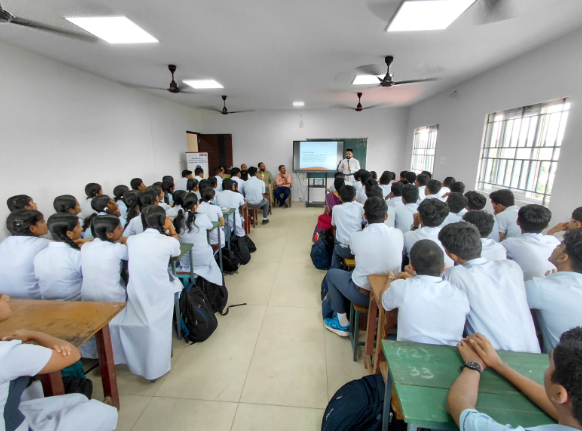
NEW DELHI: Health experts from the All India Institute of Medical Sciences (AIIMS) and the Narcotics Control Bureau (NCB) have called for greater awareness among students about drug misuse, its impact on the brain and the importance of seeking help at an early stage.
The issue was discussed during a CBSE Talkathon that brought together experts and students for an interaction focused on substance-use awareness. The programme sought to address common misconceptions surrounding drugs and provide young people with information that could help them recognise potential risks.
Experts explained that drugs can affect the brain and alter the way a person thinks, behaves and responds to situations. They stressed that young people should be encouraged to understand the consequences of substance use rather than relying on myths or incomplete information.
The discussion also highlighted the importance of identifying warning signs at an early stage. Changes in behaviour, academic performance, social relationships or everyday habits can sometimes indicate that a student may be facing difficulties related to substance use or other underlying problems.
Participants were encouraged to take such signs seriously and report concerns rather than ignoring them. Early intervention can allow families, schools and professionals to respond before problems become more serious.
The experts also emphasised the role of schools in creating an environment where students can discuss concerns without fear or stigma. Awareness programmes can provide young people with reliable information while helping teachers and parents understand how to respond when they notice changes in a child’s behaviour.
The involvement of medical and law-enforcement experts was aimed at giving students a broader understanding of the issue. While healthcare professionals can explain the physical and psychological effects associated with substance use, agencies such as the NCB deal with the wider problem of illegal drugs and their circulation.
A key message from the session was the need to challenge misinformation. Students may encounter conflicting claims about drugs through social media, peer groups and other sources. Experts stressed the importance of relying on credible health information when making decisions about substance use.
The programme also drew attention to the importance of communication between students, parents and schools. Open conversations can help young people seek assistance when they encounter pressure, experimentation or exposure to drugs.
Experts urged students not to hesitate in reporting concerns. The discussion highlighted helpline 1933 as a channel through which drug-related concerns can be reported or assistance sought.
Awareness efforts of this kind are particularly relevant in educational settings because prevention can involve more than simply warning students about the dangers of drugs. Providing accurate information, encouraging healthy support systems and making help accessible can form part of a broader approach to preventing substance misuse.
Schools can also play a role by creating regular opportunities for students to discuss health and wellbeing issues. Teachers and counsellors who are equipped to recognise warning signs can help connect students with appropriate professional support when required.
The talkathon underlined that drug awareness should involve students themselves rather than being limited to one-way messaging. Interactive discussions can allow young people to ask questions, challenge misconceptions and understand where they can turn for help.
Experts also encouraged early reporting, reinforcing the message that seeking assistance should not be viewed as a reason for embarrassment. Timely support can help families and professionals address concerns and guide affected individuals towards appropriate services.
The programme forms part of wider efforts to increase awareness about substance misuse among young people. By bringing medical specialists, enforcement officials and students together, the initiative sought to combine health education with practical information about prevention and reporting.
The session ultimately placed emphasis on knowledge, early recognition and access to support. Experts said students should remain informed about the risks associated with drugs and should seek help when they notice concerning behaviour in themselves or others.

