


Global Markets Face Pressure from Oil Volatility and Geopolitical Risks
Economists Warn of Inflation and Slower Growth Ahead
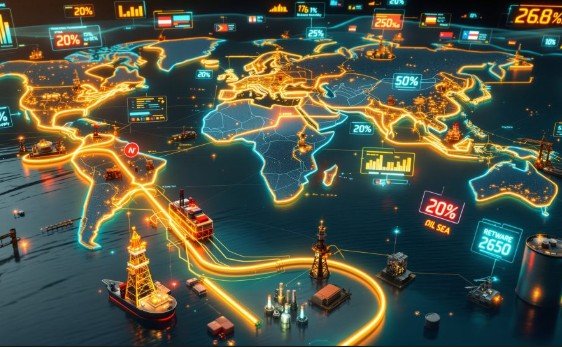
TOKYO, May 27: Global financial markets remained volatile as investors reacted to rising geopolitical tensions, fluctuating oil prices, and concerns about slowing economic growth.
The ongoing Middle East crisis involving Iran and the United States has triggered sharp movements in energy markets, with crude oil prices remaining near critical levels despite temporary declines linked to ceasefire optimism.
Economists warned that prolonged instability in the Gulf region could significantly affect inflation rates worldwide due to higher transportation and energy costs.
The International Monetary Fund said global growth projections remain relatively stable for now, supported partly by strong investment in artificial intelligence and technology sectors. However, the IMF cautioned that geopolitical conflicts and supply-chain disruptions continue to pose serious risks to the world economy.
Stock markets in several countries witnessed mixed trading as investors monitored developments in Ukraine, the Middle East, and China-US trade relations.
Meanwhile, concerns are growing over rising public debt levels and weakening manufacturing output in many advanced economies. Analysts fear that continued inflationary pressure may force central banks to maintain higher interest rates for longer periods.
Technology companies linked to artificial intelligence continued attracting major investments despite broader market uncertainty. However, environmental concerns surrounding energy intensive AI infrastructure have sparked protests and policy debates in Europe and North America.
The aviation and tourism sectors also remain vulnerable to geopolitical instability and rising fuel prices. Several airlines and transport companies warned of increased operational costs if oil prices continue climbing.
Emerging economies are facing additional pressure due to currency fluctuations and capital outflows linked to global uncertainty.
Climate-related disasters, including heatwaves and flooding, are further adding strain to economic recovery efforts in multiple regions.
Financial experts believe international cooperation and diplomatic stability will be crucial in preventing a deeper global economic slowdown during the second half of 2026.
Governments worldwide are now balancing inflation control, economic growth, energy security, and geopolitical risks in an increasingly uncertain international environment.

