


Global Markets Open Lower as US–Iran Nuclear Talks Hit Fresh Roadblocks
Benchmark indices trade lower amid global caution, continued overseas fund outflows, and concerns over escalating tensions in the Middle East.
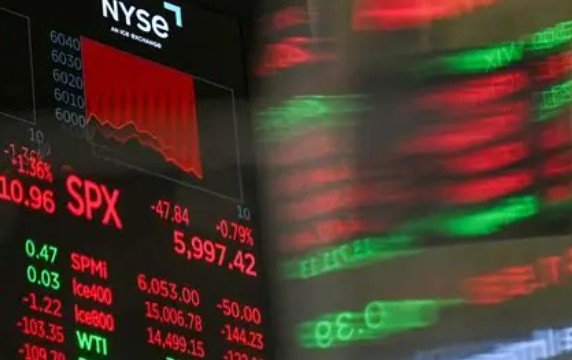
Mumbai, Jun 2: Indian equity markets began Tuesday’s trading session on a subdued note, with benchmark indices slipping in early deals as investors navigated a mix of geopolitical uncertainty and persistent foreign capital withdrawals.
The cautious mood on Dalal Street reflected broader concerns over developments in the Middle East, where efforts to ease tensions through diplomatic channels have yet to deliver a meaningful breakthrough. The uncertainty has prompted investors to reduce exposure to riskier assets, leading to selling pressure across several key sectors.
During the opening session, the BSE Sensex moved lower by nearly 300 points, while the NSE Nifty also retreated as market participants assessed global developments and their potential impact on economic growth, trade flows, and energy prices.
Among the major drags on the benchmark indices were financial and infrastructure-related stocks. Shares of leading non-banking finance companies, utilities, and engineering firms witnessed selling pressure, contributing to the broader market weakness. However, information technology counters offered some support, with select technology companies attracting buying interest amid expectations of stable global demand for digital services.
Across Asia, trading sentiment remained mixed. Investors in several regional markets adopted a cautious approach as concerns over geopolitical developments continued to influence investment decisions. While some markets managed modest gains, others traded lower amid uncertainty surrounding international diplomacy and global economic conditions.
Market analysts noted that investors are closely monitoring developments involving the United States, Iran, and Israel. Continued instability in the region has raised concerns about energy supply disruptions and their potential impact on inflation and global growth. Such uncertainties often encourage investors to move toward safer assets while reducing exposure to equities.
Adding to the pressure on domestic markets was the continued withdrawal of foreign portfolio investments. Overseas institutional investors remained net sellers in Indian equities, extending a trend that has weighed on market performance in recent sessions. Analysts believe sustained outflows could continue to influence short-term market direction unless supported by strong domestic buying.
Despite weakness in equities, crude oil prices showed some moderation in international markets. Lower energy prices generally provide relief to importing nations such as India by helping contain inflationary pressures and reducing import costs. However, traders remain watchful of any sudden developments that could trigger volatility in commodity markets.
Investment strategists pointed out that global capital continues to favour technology-driven markets that are benefiting from advancements in artificial intelligence and strong earnings growth. This shift in investor preference has resulted in increased flows toward several international markets, while emerging markets such as India have witnessed relatively subdued participation from foreign investors.
The latest decline follows a weak close in the previous trading session, when benchmark indices registered losses for a fourth consecutive day. Market participants indicated that the near-term direction of equities will likely depend on global geopolitical developments, foreign investment trends, and upcoming economic data releases.
Analysts expect volatility to remain elevated in the coming days as investors respond to international developments and assess their implications for financial markets. While long-term fundamentals of the Indian economy remain intact, short-term sentiment is expected to remain sensitive to external factors and global risk perceptions.
For now, traders are likely to remain cautious, closely tracking geopolitical headlines, institutional investment flows, and movements in global commodity prices before making significant investment decisions.

