


Global Oil Markets Stabilise as Hormuz Shipping Recovers After Peace Efforts
Improved tanker movement through the strategic waterway eases supply concerns, bringing relief to energy markets worldwide
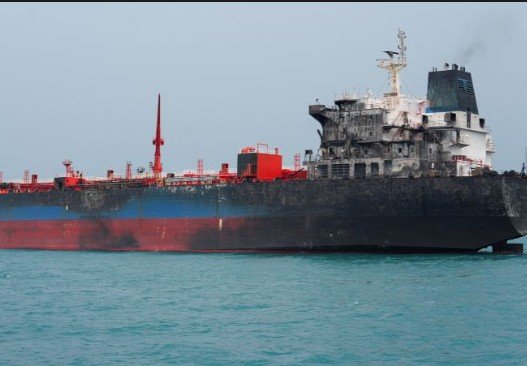
New Delhi, June 23: Global crude oil markets showed signs of stability on Tuesday as shipping activity through the Strait of Hormuz improved following diplomatic progress between the United States and Iran. The development has eased fears of a prolonged supply disruption that had rattled energy markets for months.
Brent crude traded near the $78-per barrel mark after witnessing sharp volatility earlier this month. Market participants are closely tracking vessel movements through the Strait of Hormuz, one of the world’s most important energy transit routes that carries a significant share of global oil exports.
The reopening of shipping channels has encouraged traders and refiners who were concerned about shortages and rising transportation costs. Several tankers carrying millions of barrels of crude successfully crossed the route in recent days, indicating that commercial operations are gradually returning to normal.
The recent peace framework between Washington and Tehran has reduced immediate geopolitical risks. Investors believe that if the diplomatic process continues, additional oil supplies from the region could enter international markets, helping maintain price stability.
Energy analysts note that while the current situation is encouraging, markets remain sensitive to any disruption in the Gulf region. Shipping companies are still exercising caution, and insurance premiums for vessels remain elevated compared to pre-crisis levels.
The easing of oil prices is expected to provide relief to countries heavily dependent on imports. Major Asian economies, including India, Japan and South Korea, stand to benefit from lower fuel costs, which could help contain inflationary pressures.
Industry experts believe the next few weeks will be crucial. Sustained peace efforts and uninterrupted tanker movement could bring further stability to commodity markets, while any setback may trigger renewed volatility.
Financial markets have welcomed the developments. Airline, logistics and manufacturing stocks gained in several global markets as investors anticipated lower energy expenses and improved supply chain conditions.
The broader economic impact is also significant. Lower crude prices can reduce transportation costs, improve corporate margins and support consumer spending. Governments across the world are watching the situation closely as energy prices remain a key driver of inflation.
While uncertainties remain, the latest developments have provided a measure of confidence to businesses and policymakers seeking stability after months of geopolitical tension.

