


India Clinch ODI Series Against New Zealand After Dramatic Bowling Comeback
Arshdeep Singh leads India's bowling revival with three wickets as the visitors defend 209 runs to defeat New Zealand by 22 runs in Tauranga and secure the five match series 3-1.
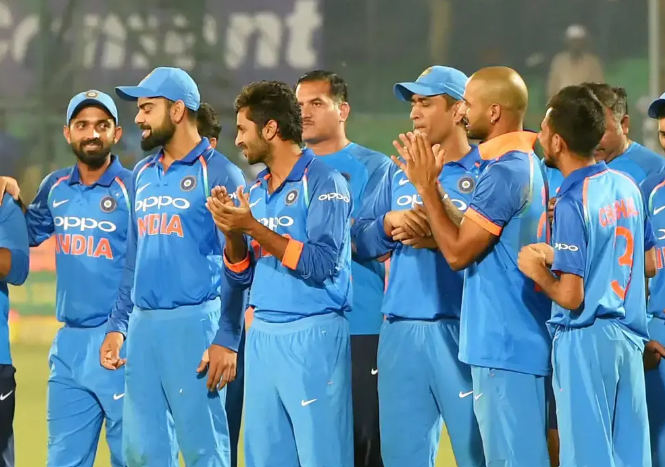
TAURANGA, Nov 15: India produced an impressive bowling performance to overcome New Zealand by 22 runs in the fourth One-Day International (ODI) and secure a 3-1 series victory, with fast bowler Arshdeep Singh playing a decisive role in the visitors’ successful defence of a modest total.
The Indian team, which had faced a difficult outing in the previous match, responded strongly through its bowling attack to turn around a contest that appeared to be slipping away. Arshdeep spearheaded the recovery with three important wickets as New Zealand, chasing 210, were dismissed for 187 in 48.1 overs.
The victory was particularly significant because India had struggled with the bat and managed only 209 runs before being bowled out in 42.1 overs. However, the bowlers compensated for the batting shortcomings with disciplined line and length, effective changes of pace and sustained pressure during the New Zealand innings.
India’s success also demonstrated the importance of collective contributions, with Mohammed Siraj, Axar Patel and Yash Thakur supporting Arshdeep during the decisive stages of the chase.
New Zealand appeared firmly positioned to win after reaching 64 for one. The opening partnership had provided the hosts with a promising foundation, and their batters seemed capable of completing the chase without facing significant difficulties.
However, India’s pace attack changed the course of the match through a series of well-directed deliveries and timely breakthroughs. The hosts lost five wickets for just 55 runs, transforming a comfortable position into a difficult recovery operation.
Siraj and Arshdeep repeatedly troubled the New Zealand batters, while Yash Thakur maintained pressure through disciplined bowling. The sudden collapse reduced the hosts to 119 for six, leaving the lower order with a challenging task.
Dean Foxcroft attempted to stabilise the innings with a contribution of 31 runs from 42 deliveries. His effort provided some resistance, but Yash Thakur eventually removed him to register his maiden ODI wicket, further strengthening India’s position.
New Zealand captain Mitchell Santner contributed 24 runs from 31 balls but could not produce the partnership required to revive the chase. India’s bowlers continued taking wickets at regular intervals before completing the victory in the 49th over.
Arshdeep finished with figures of three wickets for 30 runs and was named Player of the Match. Siraj and Axar claimed two wickets each, while the remaining bowlers contributed one wicket apiece.
Indian captain Shreyas Iyer praised the bowling unit for maintaining discipline despite the team’s below-par batting performance. He highlighted the collective effort of the bowlers and their ability to execute the planned strategies under pressure.
Iyer acknowledged that the batting department had not performed to its expected standard throughout the contest but stressed that the team’s approach remained focused on finding ways to win regardless of the playing conditions.
Santner also acknowledged India’s disciplined bowling display, particularly the way Iyer managed his fast bowlers and delayed the introduction of spin until the 36th over.
The New Zealand captain said his team needed to extend its partnerships to remain competitive during the chase. He recognised that India’s bowlers had controlled the contest effectively after the hosts lost their early advantage.
India struggle before recovering to 209
Earlier, New Zealand’s bowling attack had put India under considerable pressure after the hosts won the toss and elected to field.
India entered the contest looking to recover from a heavy 244-run defeat in the previous ODI. However, the visitors found it difficult to establish control during the opening stages of their innings.
Fast bowler Matthew Fisher delivered important early breakthroughs by dismissing experienced batters Rohit Sharma and Virat Kohli. Their departures prevented India from building the strong foundation required to post a competitive total.
The early setbacks exposed India’s middle order to pressure, with New Zealand maintaining tight bowling and restricting opportunities to score freely.
Axar Patel played an important role in preventing a complete collapse. Although he survived two chances, the all-rounder showed determination and helped rebuild the innings through useful partnerships.
He first combined with Shreyas Iyer, who contributed 22 runs, in a 52-run partnership. The stand helped India regain some stability after the early dismissals.
Axar subsequently joined Ishan Kishan to continue the recovery effort. Both batters scored 46 runs each, providing India with valuable contributions at a stage when the innings required consolidation.
Their efforts helped the visitors move towards a more respectable total, although New Zealand continued to take wickets and prevented India from accelerating significantly during the final overs.
Naman Dhir added 22 runs towards the end of the innings, but the lower order could not provide the finishing contribution required to take India beyond 210.
New Zealand captain Santner and Jacob Duffy were particularly effective, claiming three wickets each. Santner conceded 47 runs, while Duffy finished with figures of three for 60. Fisher supported them with two wickets.
India were eventually bowled out for 209 in 42.1 overs, leaving New Zealand with what appeared to be a manageable target.
Bowling unit delivers when it matters
The defining feature of India’s victory was its ability to respond after losing control of the contest during the opening stages of New Zealand’s innings.
Rather than allowing the hosts to settle into a comfortable rhythm, the Indian bowlers maintained attacking fields and focused on creating opportunities through consistent pressure.
The decision to rely heavily on seam bowling during the middle overs proved particularly effective. India’s fast bowlers used the conditions intelligently, while the fielding unit supported their efforts by preventing easy scoring opportunities.
Arshdeep’s performance was central to the turnaround, but the contribution of the entire bowling group ensured that New Zealand could not recover after losing successive wickets.
Yash Thakur’s maiden ODI wicket was another encouraging development for India, providing the young bowler with an important milestone on the international stage.
The match also underlined the value of having multiple bowling options capable of delivering breakthroughs when the leading bowlers are under pressure.
For New Zealand, the defeat represented a missed opportunity to extend the contest despite having restricted India to a relatively modest score. The opening partnership had placed the hosts in a strong position, but the middle-order collapse proved costly.
Series victory provides confidence ahead of Test challenge
India’s 3-1 series triumph gives the team a positive result to carry into its next assignment against New Zealand.
The ODI series offered opportunities to assess batting combinations, bowling resources and the team’s ability to respond to difficult situations. Although the batting department experienced inconsistencies, the final victory highlighted the importance of maintaining balance across the playing eleven.
The performances of Axar and Kishan provided useful middle-order contributions, while Arshdeep and Siraj demonstrated their ability to handle pressure during crucial stages.
For the coaching staff, the series also offers areas requiring attention. India’s top-order batters will be expected to produce more consistent performances, particularly against disciplined pace attacks capable of exploiting early movement.
The upcoming two-Test series between the teams is scheduled to begin on November 19, providing another opportunity for both sides to renew their rivalry in a different format.
New Zealand will look to recover from the ODI disappointment, while India will aim to maintain the momentum generated by its successful finish.
The fourth ODI ultimately demonstrated that a strong bowling performance can transform even a difficult match situation. India’s ability to defend 209 against a team that had initially looked comfortable in the chase made the result an important achievement in the tour.
With Arshdeep leading the attack and the supporting bowlers delivering at crucial moments, India secured a memorable series victory and ended the ODI contest on a positive note.

