


India to Supply BrahMos and Astra Missile Systems to Indonesia, Expanding Strategic Defence Footprint
New Delhi and Jakarta deepen defence cooperation with missile supply agreements, technology transfers and maritime security collaboration during Prime Minister Narendra Modi’s visit to Indonesia.
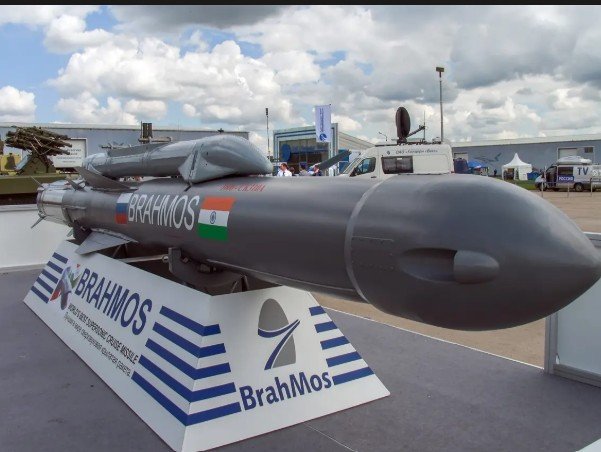
India, July 08 : India has taken a major step in strengthening its strategic outreach in Southeast Asia with the decision to supply BrahMos cruise missile batteries and Astra air to air missile systems to Indonesia, marking a significant expansion of defence cooperation between the two countries. The agreements, announced during Prime Minister Narendra Modi’s visit to Jakarta, underline New Delhi’s growing role as a regional security partner and signal a new phase in India-Indonesia relations built around defence technology, maritime cooperation and strategic trust.
The latest defence arrangements are being seen as one of the most consequential outcomes of Modi’s Indonesia visit, not only because of the value of the military systems involved but also because of the broader message they send about India’s place in the Indo-Pacific security architecture. Indonesia, one of the most influential countries in Southeast Asia and a key maritime nation, has emerged as an important strategic partner for India as both countries seek to ensure stability, secure sea lanes and enhance defence preparedness in a rapidly changing regional environment.
According to details emerging from the bilateral engagement, India will supply two BrahMos missile batteries worth around USD 200 million to Indonesia. The package is expected to significantly enhance Jakarta’s maritime strike capabilities and provide a boost to coastal defence preparedness. The BrahMos system, developed jointly by India and Russia, has become one of India’s flagship defence exports and is regarded as one of the fastest supersonic cruise missile systems in the world. Its export to Indonesia represents another milestone in India’s effort to become a trusted defence supplier to friendly nations.
Alongside the BrahMos arrangement, the two sides also reached agreements linked to the Astra beyond-visual-range air-to-air missile system, adding a fresh dimension to bilateral military cooperation. The inclusion of Astra in the emerging defence partnership indicates that India is not only offering a single platform or isolated hardware package, but is positioning itself as a comprehensive security and defence technology partner capable of supporting multiple domains of military modernisation.
The strategic significance of the agreements goes well beyond the transfer of weapons systems. Officials indicated that the India-Indonesia engagement also covered major defence technology transfers and cooperation on maritime safety and security. This suggests a long-term framework of collaboration rather than a transactional buyer-seller arrangement. For India, such partnerships are crucial to its ambition of becoming a global defence manufacturing hub under the “Make in India” and defence export push. For Indonesia, the deal offers an opportunity to diversify its defence procurement sources and work with a regional partner that understands Indo-Pacific security concerns from a similar vantage point.
Prime Minister Modi’s visit to Indonesia has also been framed as part of India’s wider strategic effort to deepen engagement with ASEAN countries and reinforce its Act East policy through tangible partnerships. Defence and maritime cooperation have become central pillars of this approach. In recent years, India has increasingly sought to move from broad declarations of friendship to practical security cooperation with partner countries, particularly those situated along critical sea routes and maritime chokepoints. Indonesia’s geographic location, straddling vital sea lanes and close to the wider Indo-Pacific maritime theatre, makes it a particularly important partner in this regard.
The missile deals come at a time when regional security calculations in the Indo-Pacific are becoming more complex. Concerns over freedom of navigation, maritime security, military build-up and strategic competition among major powers have prompted several countries to reassess their defence capabilities and partnerships. India’s willingness to supply advanced missile systems to Indonesia reflects both confidence in its indigenous defence platforms and an intent to play a more active role in shaping regional security outcomes through trusted bilateral ties.
In addition to the defence pacts, India and Indonesia are understood to have signed agreements in other strategic areas, including critical minerals and technology cooperation. This is particularly notable because access to critical minerals is becoming an increasingly important aspect of economic and national security planning worldwide. By linking defence cooperation with technology and mineral partnerships, India and Indonesia appear to be constructing a broader strategic relationship that is resilient, diversified and aligned with long-term geopolitical priorities.
For India, Indonesia is not only a valuable strategic partner but also a key interlocutor in Southeast Asia with whom it shares concerns over maritime security, trade connectivity and regional stability. The two countries have for years discussed the importance of safeguarding the Indo-Pacific as a free, open and inclusive region. Their bilateral ties have grown steadily through defence dialogues, naval cooperation, joint exercises and economic engagement. The new agreements announced during Modi’s visit are likely to add substantial momentum to that trajectory.
The export of BrahMos to Indonesia is also significant in the context of India’s emerging profile as a defence exporter. Traditionally seen as one of the world’s largest arms importers, India has in recent years stepped up efforts to build its domestic defence industrial base and market indigenous systems abroad. The BrahMos missile has become one of the strongest symbols of this shift. After its earlier export breakthrough in the Philippines, a deal with Indonesia would further establish India’s credibility as a supplier of advanced military systems in Asia.
The strategic implications of the deal also tie into India’s larger diplomatic narrative of being a reliable, non-hegemonic and mutually beneficial security partner. New Delhi has consistently positioned its defence cooperation as supportive of partner countries’ sovereign choices and national security needs, rather than as part of bloc politics. That message is likely to resonate in Southeast Asia, where many countries seek to maintain strategic autonomy while strengthening their deterrence and security capabilities.
Maritime cooperation is expected to remain a key area of follow up after the visit. India and Indonesia have already shared converging views on the importance of sea lane security, anti-piracy cooperation and coordinated maritime awareness. The strengthening of Indonesia’s missile and defence capabilities through Indian systems could complement these broader efforts and create new openings for interoperability, training and defence dialogue.
The visit also carries symbolic importance. Prime Minister Modi’s presence in Jakarta and the announcement of defence agreements at a time of increasing global uncertainty demonstrate that India is actively investing in its regional partnerships. Rather than limiting its foreign policy to crisis response or broad diplomatic statements, New Delhi appears focused on building durable, sector-specific relationships with countries that matter strategically to its future.
For Indonesia, partnering with India in defence also broadens its options in an era when countries are increasingly wary of overdependence on a limited set of suppliers. India’s mix of military capability, political goodwill and shared Indo-Pacific interests gives it an advantage as a long-term partner. The willingness to discuss technology transfers and a more collaborative defence framework further strengthens the attractiveness of the partnership.
As the details of the agreements are worked out, the India-Indonesia defence partnership is likely to draw close attention across the region. The move signals that India is no longer content to be seen merely as a balancing actor or a large market; it wants to be recognised as a contributor to regional security and a provider of strategic capabilities. Indonesia’s decision to move ahead with advanced Indian systems adds weight to that aspiration.
Taken together, the missile agreements, technology cooperation and maritime understanding reached during Modi’s Indonesia visit point to a substantial broadening of bilateral ties. They also show how India’s foreign policy is increasingly blending diplomacy, defence exports, industrial capability and strategic outreach into a more coherent regional posture. For New Delhi, the developments in Jakarta are not just about one bilateral visit; they are about reinforcing India’s role in the Indo-Pacific through partnerships that are practical, visible and geopolitically consequential.

