


India’s Export Boom Continues as May Shipments Hit Record High Despite Global Uncertainty
Strong demand for engineering goods, petroleum products and electronics helps India achieve a new export milestone, while trade talks with the United States remain in focus.
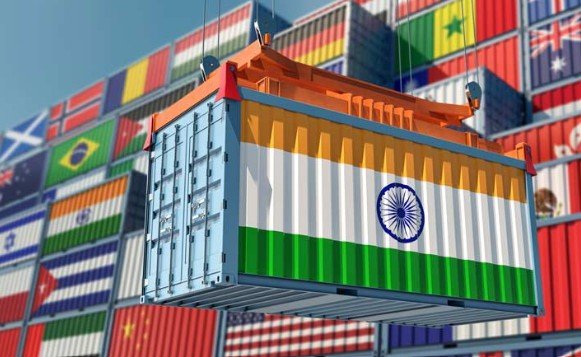
New Delhi, June 16, 2026: India’s export sector has delivered another strong performance, with merchandise exports touching an all time monthly high in May 2026. The latest trade data released by the Commerce Ministry indicates that overseas shipments reached $45.2 billion, reflecting robust demand across multiple sectors despite geopolitical uncertainties and fluctuating energy markets.
The achievement comes at a time when global trade remains under pressure from regional conflicts, changing supply chains and evolving tariff structures. However, Indian exporters have managed to capitalize on opportunities in engineering goods, petroleum products, electronics and several manufacturing segments.
According to official figures, exports increased by nearly 18 percent year-on-year during May, making it one of the strongest monthly performances recorded by the country. Industry observers believe the growth reflects the increasing competitiveness of Indian products in international markets.
Commerce officials highlighted that engineering goods remained one of the leading contributors to export growth. Electronics shipments also showed resilience as global companies continued diversifying supply chains and sourcing products from India. Petroleum exports benefited from strong refining activity and improved demand in international markets.
The recovery of trade routes in West Asia also contributed to improved export performance. Officials noted that disruptions witnessed earlier in the year had temporarily affected shipments, but recent normalization helped exporters regain momentum.
Despite the impressive export numbers, India’s imports also increased significantly. Merchandise imports rose to $73.41 billion during May, largely due to higher purchases of crude oil, gold and industrial inputs. As a result, the trade deficit remained elevated at $28.21 billion.
Economists argue that strong imports are not necessarily a negative sign. Rising imports often indicate expanding industrial activity and growing domestic demand. However, maintaining a balance between export growth and import dependence remains a key policy challenge.
Attention is now turning toward upcoming trade negotiations with the United States. Officials from both countries are expected to continue discussions aimed at improving market access and strengthening bilateral trade relations. Analysts believe a successful interim agreement could provide additional opportunities for Indian exporters in sectors such as textiles, engineering goods and pharmaceuticals.
The strong May performance follows a record export year for India. Policymakers remain optimistic about achieving long-term trade targets and expanding India’s share in global commerce. Government officials have repeatedly emphasized their commitment to reaching ambitious export milestones by the end of the decade.
Industry bodies have welcomed the latest data, stating that Indian manufacturers are increasingly becoming part of global value chains. Improved logistics infrastructure, production-linked incentive schemes and digital trade facilitation measures have supported export competitiveness in recent years.
Market experts believe sustaining the current momentum will require stable global demand, continued investment in manufacturing and successful completion of trade agreements with major economies. If these factors align, India could emerge as one of the fastest-growing export economies in the world over the next few years.
For now, the record-breaking export figures offer a positive signal for businesses, investors and policymakers seeking evidence of economic resilience amid an uncertain global environment.

