


India’s Semiconductor Push Enters New Phase as 5-6 Chip Projects Near Production
Several semiconductor projects are expected to begin commercial operations by the end of 2026 as India accelerates efforts to build a domestic chip manufacturing ecosystem.
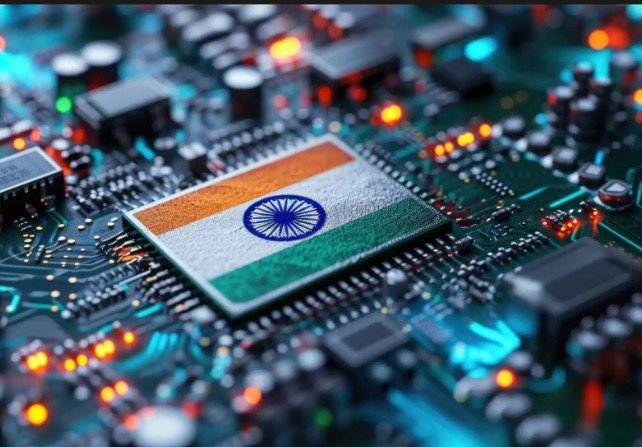
NEW DELHI, Aug 19: India’s semiconductor ambitions are entering a crucial phase, with five to six chip related projects expected to begin commercial production by the end of 2026, marking a major step in the country’s effort to establish a stronger domestic electronics and chip manufacturing ecosystem.
The development comes as the government and industry increase investments in semiconductor fabrication, packaging, chip design and related technologies. Officials have indicated that several projects currently under development are moving closer to commercial operations.
The progress is significant for India’s technology sector, which has traditionally relied heavily on imports for advanced semiconductor components. Building domestic manufacturing capacity is expected to reduce supply chain vulnerabilities while supporting the country’s growing electronics industry.
The government has also expanded its semiconductor strategy through Semicon 2.0. The programme focuses on areas including chip design, semiconductor equipment and materials, fabrication, advanced packaging, research and development and talent development.
The latest push comes amid rapidly increasing demand for chips used in artificial intelligence, smartphones, automobiles, telecommunications equipment and data centres.
India’s semiconductor ecosystem is also expected to benefit from the country’s expanding AI infrastructure. As demand for high-performance computing grows, manufacturers are increasingly looking at advanced processors, memory components and packaging technologies.
The India Semiconductor Mission has scheduled the country’s major semiconductor industry event, Semicon India 2026, for September 17-19 in New Delhi. The event is expected to bring together global chipmakers, equipment manufacturers, researchers and technology companies.
The emergence of multiple commercial projects could therefore represent an important transition for India’s chip strategy — from announcing investments and approving projects to developing operational manufacturing capacity.
The government is seeking to position India as a competitive destination for semiconductor investment while creating a broader ecosystem covering manufacturing, design, packaging, equipment and skilled talent.

