


Iran Threatens ‘Fourfold’ Retaliation Against Gulf States After Trump Warning
Tehran signals escalated response to any damage to its energy infrastructure amid growing strain with the US and regional players
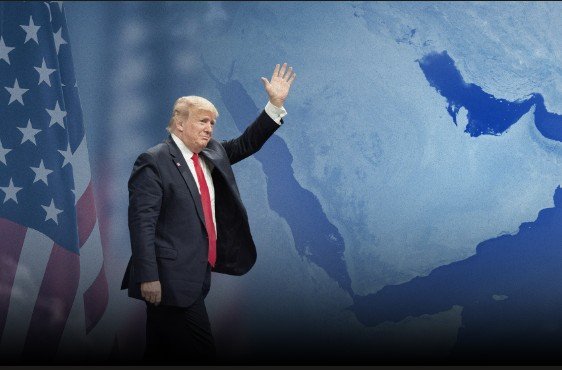
New Delhi, Apr 27: Iran has issued a strong warning of “fourfold” retaliation against any country supporting actions that damage its critical infrastructure, intensifying already strained geopolitical tensions surrounding its oil sector.
Iranian Vice President Esmail Saghab Esfahani on Sunday said that any attack or disruption to the country’s facilities, particularly oil infrastructure, would trigger a significantly amplified response. In a message posted on X, he stated that Iran would respond with force far exceeding the initial damage.
“If any part of our infrastructure, including oil wells, is harmed due to a blockade or external pressure, we guarantee four times that damage will be inflicted on the same infrastructure in countries that support the aggressor,” Saghab said.
Emphasising the scale of Iran’s stance, he added, “Our math is different; one oil well equals four oil wells,” highlighting the country’s readiness to escalate if provoked.
Rising Pressure on Iran’s Oil Sector
The warning follows recent remarks by US President Donald Trump, who suggested that continued pressure on Tehran could severely disrupt its oil operations. Speaking in an interview, Trump indicated that restrictions could soon affect Iran’s ability to transfer oil to storage facilities or tankers.
He noted that under sustained constraints, Iran’s pipeline systems could reach a critical threshold within a matter of days, signalling a tightening strategy targeting the country’s energy lifeline.
Iran’s oil infrastructure has increasingly become the focal point of international pressure, with sanctions and logistical challenges impacting its export capacity.
Regional Tensions Deepen
The exchange underscores a broader escalation involving Iran, the United States, and Israel, with the situation remaining highly volatile. Tehran’s latest warning signals potential consequences not only for direct adversaries but also for regional actors perceived as supporting actions against its energy network.
Analysts view the “fourfold retaliation” statement as both a deterrent and a strategic message aimed at discouraging further interference in Iran’s oil sector.
Diplomatic Efforts Underway
Amid the rising tensions, diplomatic channels remain active. Iranian Foreign Minister Abbas Araghchi arrived in Russia on Monday for high-level discussions expected to cover ceasefire prospects, ongoing negotiations, and broader regional developments.
The visit is seen as part of Tehran’s efforts to engage key global players in managing the crisis and exploring pathways toward de-escalation.
Proposal to Ease Conflict
In a parallel development, Iran has reportedly shared a “two-stage plan” with the United States through intermediaries in Pakistan. The proposal outlines a framework aimed at ending the conflict and reopening the Strait of Hormuz, a crucial global oil transit route.
The initiative is focused on reducing hostilities and restoring maritime activity in the strategically vital waterway, which has been under heightened scrutiny due to the ongoing tensions.
Uncertain Path Ahead
Despite these diplomatic signals, uncertainty persists. The United States has maintained that any renewed negotiations would require Iran to take the first step. Trump reiterated that Tehran must initiate contact if it seeks dialogue, while also stressing that Iran should not develop nuclear weapons.
With strong rhetoric on both sides and strategic interests at stake, the situation remains delicate. Iran’s warning of a “fourfold” response adds a new layer of risk, raising concerns about the potential for further escalation in an already fragile regional landscape.

