


IRGC Navy Rejects Proposed Strait of Hormuz Route, Warns of Firm Action
Tehran insists only Iran approved navigation channels are valid in the strategic waterway as tensions emerge over a temporary maritime corridor backed by Oman and the IMO.
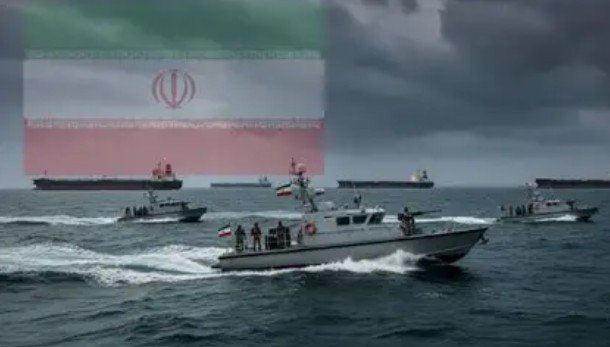
Tehran, June 25: Iran’s Islamic Revolutionary Guard Corps (IRGC) Navy has firmly rejected a newly announced maritime transit corridor in the Strait of Hormuz, warning that vessels operating outside routes approved by Tehran could face enforcement action.
The warning comes amid renewed debate over navigation rights in one of the world’s most strategically important waterways, through which a significant portion of global energy shipments passes every day.
In a statement carried by Iranian media, the IRGC Navy said it had not been consulted regarding the proposed shipping route and described the initiative as unacceptable. Iranian authorities argued that any alteration to established navigation arrangements in the strait must involve coordination with Tehran due to its geographical position and security responsibilities in the region.
The naval force maintained that only transit corridors officially designated by the Islamic Republic of Iran are authorised for maritime passage. According to the statement, ships navigating outside those approved routes could face safety risks and potential intervention by Iranian authorities.
The IRGC further advised commercial vessels and shipping operators to remain within recognised navigation channels and maintain communication with Iranian maritime authorities while transiting the narrow waterway. It said coordination through designated communication frequencies remains mandatory for vessels seeking safe passage.
The development follows an announcement by Oman, which said it was facilitating a temporary maritime transit corridor through the Strait of Hormuz in coordination with the International Maritime Organization (IMO). Omani authorities stated that the measure was intended to safeguard freedom of navigation and ensure uninterrupted shipping activity in the region.
According to Muscat, the temporary arrangement would provide vessels with an alternative route based on coordinates communicated through international maritime channels. Oman emphasised that the initiative was designed to support safe navigation and would not involve additional transit charges.
The proposal has emerged against the backdrop of ongoing diplomatic efforts involving the United States and Iran aimed at reducing regional tensions and ensuring stability in key maritime routes.
The Strait of Hormuz remains one of the world’s most sensitive maritime chokepoints, linking the Persian Gulf to international waters. Any disruption in the passage of commercial vessels through the corridor can have significant implications for global energy markets, trade flows and regional security.
Meanwhile, US President Donald Trump expressed opposition to any future arrangement that could involve fees on maritime traffic passing through the strait. Speaking during a meeting with NATO Secretary General Mark Rutte, Trump said imposing shipping charges in the waterway would be unacceptable and could set a precedent for similar measures elsewhere.
He argued that freedom of navigation must be preserved in major international waterways and suggested that any move to impose transit-related costs could have far-reaching consequences for global commerce.
The exchange reflects broader disagreements over the management of maritime security and navigation rights in the Gulf region, where competing geopolitical interests often intersect.
Separately, Iran’s Foreign Ministry also criticised US policies in the Middle East. Foreign Ministry spokesperson Esmaeil Baqaei said lasting peace in the region would remain difficult as long as foreign intervention and military involvement continued.
His remarks underscored Tehran’s long-standing criticism of Washington’s regional role and highlighted the wider political tensions that continue to shape diplomatic relations between the two countries.
As discussions over maritime access continue, shipping companies and international observers are closely monitoring developments in the Strait of Hormuz. The waterway remains critical to global trade, making any dispute over navigation routes a matter of international concern.
With multiple stakeholders involved and regional security still fragile, the latest disagreement over the proposed transit corridor is expected to remain a key issue in ongoing diplomatic and maritime discussions.

