


Maniesh Paul’s Mother Urmil Paul Dies at 77, Entertainment Industry Rallies Around Actor-Host in Time of Loss
Actor and television host Maniesh Paul’s team confirmed the death of his mother Urmil Paul in Delhi, prompting an outpouring of condolences from across television, film and digital entertainment circles.
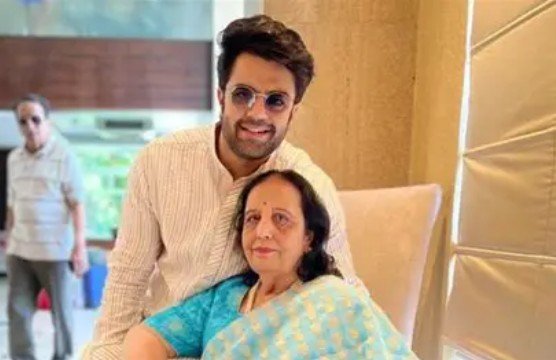
Mumbai, July 09 : Actor, television host and entertainer Maniesh Paul is mourning the loss of his mother, Urmil Paul, whose death was confirmed by his team on July 8. She was 77. The news has prompted an emotional response from across the entertainment industry, where Maniesh is widely regarded as one of the most energetic and personable figures on Indian television. In a world where celebrity news is often dominated by film announcements, box office updates and promotional appearances, the announcement brought a rare pause one that shifted attention away from performance and toward private grief.
The confirmation came through an official statement from Maniesh Paul’s team, which requested prayers for the departed soul and privacy for the family during an intensely difficult time. As of the initial reports, Maniesh had not made a detailed public statement of his own, a silence that many observers interpreted not as distance but as the natural weight of personal loss. In celebrity culture, where public figures are often expected to communicate quickly and visibly even in moments of crisis, the absence of immediate commentary can itself feel deeply human.
For audiences who know Maniesh Paul primarily as a lively host, comic performer and quick-witted screen presence, the news landed with particular poignancy. His public persona has long been associated with humour, spontaneity and warmth. Whether anchoring television reality shows, hosting award functions, appearing in films or building a social media presence, Maniesh has cultivated an image of accessibility someone who brings levity to formal events and ease to the high-pressure machinery of entertainment. News of a family bereavement cuts sharply against that familiar image, revealing the vulnerability that exists beneath the polished rhythms of celebrity life.
That vulnerability is perhaps why the story resonated so widely. The death of a parent is one of the most universal forms of grief, and when it enters the life of a public figure, it often collapses the distance between celebrity and audience. In Maniesh Paul’s case, that emotional bridge is especially strong because he has built much of his career not around distance or mystique, but around relatability. He is not an inaccessible movie star positioned above the audience; he is a host and performer whose appeal lies in the sense that he is present with viewers — joking with them, entertaining them, guiding them through television spectacles in a way that feels personal rather than remote.
Urmil Paul was not a public figure in the conventional entertainment sense, yet the reaction to her passing reflects how closely audiences connect family narratives to the stars they follow. Over the years, celebrity culture in India has become increasingly intimate, driven by interviews, reality shows, social media and behind-the-scenes storytelling that reveal parents, siblings, spouses and children as part of a public persona. That does not mean those relatives seek public attention, but it does mean that when a family loss occurs, it becomes part of a shared emotional vocabulary between the artist and the audience.
The entertainment industry’s response has been marked by condolence messages, quiet gestures of support and public expressions of sympathy. Such responses may appear routine from the outside, but they carry particular weight in an industry built on temporary collaborations and relentless movement. Actors, hosts, directors and producers often work together intensely for brief periods before moving on to other projects, and yet moments of personal tragedy can reactivate those professional networks as communities of care. The condolences extended to Maniesh Paul suggest the kind of goodwill he has built over the years goodwill rooted not just in success, but in relationships.
Maniesh’s career trajectory helps explain that response. He emerged not through the traditional film-star route but through television, live hosting and performance spaces that require constant public interaction. That background shaped his screen identity. He became known as someone who could hold a live audience, improvise under pressure, lift the mood of a room and move comfortably between humour and sincerity. In many ways, he belongs to a generation of entertainers whose careers were built through versatility rather than a single iconic role: hosting reality shows, appearing in films, engaging audiences online, and functioning as a familiar face across multiple entertainment formats.
That kind of career often creates a different relationship with the public than the one enjoyed by purely film-based stars. Television hosts enter people’s homes regularly. They become part of recurring routines, festive broadcasts, family viewing habits and award-season memories. As a result, when personal news breaks about someone like Maniesh Paul, the response can feel more intimate. Viewers do not only know him as an actor in a role; they know him as a recurring presence who has accompanied them through countless televised moments.
The death of a parent also inevitably reshapes the emotional framing of a celebrity’s public image, at least temporarily. For a performer known for laughter and high-energy hosting, a moment of mourning reminds audiences that charisma does not insulate anyone from grief. In some ways, these are the rare instances when entertainment news stops functioning as entertainment. It becomes instead a record of human experience — loss, family, memory and the difficult task of continuing public life after private sorrow.
The statement released by Maniesh’s team was brief, but that brevity carried its own emotional register. In times of bereavement, especially for public figures, there is often a delicate balance between informing the public and protecting the family’s space. Too little communication invites speculation; too much can feel invasive. A short confirmation with a request for prayers and privacy is therefore a familiar but meaningful form of boundary-setting. It acknowledges the public’s emotional investment without surrendering the family’s right to grieve away from the glare of cameras and commentary.
Within Indian entertainment culture, the role of mothers in celebrity narratives is especially powerful. Interviews, award speeches and social media posts frequently frame mothers as anchors of sacrifice, emotional grounding and early belief. For male actors and hosts in particular, the mother figure often appears in public storytelling as the moral and emotional centre of the family. While Maniesh Paul has largely kept the most intimate aspects of his family life away from spectacle, the loss of his mother will inevitably be understood through that larger cultural lens — one in which a mother is not merely a relative but a foundational presence in the making of the person the public knows.
The news also arrives at a time when the entertainment industry is navigating a broader shift in how celebrity grief is consumed and discussed. Social media has made mourning more immediate, more visible and sometimes more performative. Condolence posts circulate quickly; fan edits and tribute messages appear within minutes; old family photographs are rediscovered and recirculated. While these gestures often emerge from genuine affection, they can also blur the line between solidarity and intrusion. For public figures, that creates a difficult emotional environment: grief unfolds in real time, but it also unfolds under observation.
In that context, the response to Maniesh Paul’s loss has so far remained relatively respectful, focused on sympathy rather than spectacle. Much of the conversation has centred on sending strength to the family rather than extracting emotional content from the tragedy. That restraint matters. It suggests that, despite the often relentless churn of celebrity media, there are still moments when the entertainment ecosystem recognises the difference between coverage and compassion.
For Maniesh himself, the coming days are likely to be defined not by public appearances or professional obligations, but by rituals of mourning, family gatherings and the quiet administrative realities that follow a death. Yet because he is a public figure, those private days will unfold in the shadow of public awareness. That is one of the paradoxes of celebrity life: even absence becomes visible. If Maniesh steps back from work commitments, award appearances or digital activity, that absence will itself be interpreted through the lens of grief.
Professionally, he remains one of the few Indian entertainers who can move fluidly between comedy, anchoring and acting without seeming trapped by any one format. That versatility has made him valuable to the industry and familiar to viewers. But at moments like this, career identity recedes. What remains visible instead is something simpler and more universal: a son mourning his mother. It is a reminder that no amount of applause, recognition or public affection changes the essential fact of personal loss.
In the days ahead, it is possible that more tributes, memories or statements may emerge from friends and colleagues who knew Urmil Paul through Maniesh or through family interactions behind the scenes. It is also possible that Maniesh, when ready, may choose to speak publicly about her in his own way perhaps through a post, a photograph or a brief message. But there is no requirement that grief become content. If he chooses silence, that too is meaningful.
The story’s significance lies not in dramatic revelation but in emotional weight. It reminds audiences that behind the bright surfaces of entertainment the stage lights, comic timing, hosting glamour and public celebration are family bonds as ordinary and profound as anyone else’s. It also shows how the industry, for all its competition and noise, can still pause when one of its own is hurting.
For fans, the instinctive response is simple: sympathy, prayers and patience. There is little else to offer in such moments except acknowledgment of loss and respect for the family’s need to grieve. The death of Urmil Paul may not be a story that changes the industry or redirects a career, but it matters because it touches the emotional foundation beneath the public figure. It is a reminder that entertainers do not stop being sons, daughters, parents or partners when the cameras turn on.
As condolences continue to pour in, Maniesh Paul’s public world will, for a while, stand still around a deeply private sorrow. The laughter he is known for, the ease with which he commands a stage, the quick wit that has made him a favourite across entertainment formats all of that now sits alongside a grief that needs no performance. In that sense, this is not merely a celebrity update. It is a human story unfolding in the public eye, and one that the entertainment industry is, at least for the moment, choosing to meet with gentleness.
The loss of a mother leaves an absence no public success can fill. For Maniesh Paul, that absence will now become part of life beyond the screen. And for those who know him only through television, cinema and social media, the only fitting response is the one his team asked for from the beginning: prayers, compassion and space.

