


Parliamentary Panel to Examine Affordable Cancer Care, Organ Transplants and Rising Liver Disease Burden
Parliamentary Standing Committee on Health selects 12 subjects for examination, focusing on affordable treatment, stronger government hospitals, rare diseases, medical education and improvements in India's healthcare delivery system.
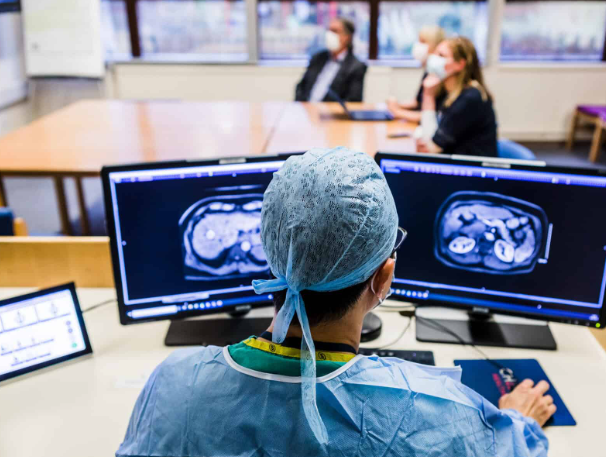
NEW DELHI, Nov 12: Affordable cancer screening and treatment, human organ transplantation, the growing burden of liver diseases and strengthening government hospitals will receive parliamentary scrutiny as the Department-related Parliamentary Standing Committee on Health and Family Welfare has selected 12 important subjects for examination over the coming year.
The subjects, announced through a Lok Sabha bulletin on Thursday, cover several major areas of India’s healthcare system, including access to specialised medical services, the regulation of healthcare institutions, medical education and the implementation of existing public health programmes.
Of the 12 subjects selected, 10 fall under the Ministry of Health and Family Welfare, while the remaining two concern the Ministry of Ayush.
The committee’s decision comes at a time when healthcare access, affordability and the availability of specialised treatment have become important policy concerns. Its examination is expected to cover the functioning of existing arrangements, the effectiveness of government interventions and areas requiring greater attention from policymakers.
Among the most significant subjects is the affordability of cancer screening, diagnosis and treatment. The committee will examine recent interventions aimed at improving access to cancer-related services, with particular emphasis on whether these measures are delivering measurable outcomes.
Cancer care remains a major area of concern because patients frequently require multiple stages of medical attention, including screening, diagnostic investigations, surgery, radiation therapy, chemotherapy and long-term follow-up.
The cost of treatment can create considerable difficulties for families, particularly when specialised services are unavailable in their immediate areas and patients have to travel to larger cities for medical assistance.
The committee’s focus on affordability is therefore expected to bring attention to the availability of screening facilities, access to diagnostic services and the effectiveness of measures designed to reduce the financial burden on patients.
The examination will also cover the need to strengthen early detection mechanisms and ensure that patients can access appropriate treatment without unnecessary delays.
Cancer Screening and Treatment Under Review
Early identification is an important factor in improving cancer care because many forms of the disease can become more difficult and expensive to treat when diagnosed at advanced stages.
The committee will examine the latest interventions related to affordable screening, diagnosis and treatment, focusing on established approaches and their outcomes.
This review could provide an opportunity to assess how healthcare facilities are reaching populations in rural and underserved areas, where access to specialised diagnostic services may be limited.
The availability of trained medical professionals, diagnostic equipment and treatment facilities is also relevant to improving cancer care.
Government hospitals and specialised medical institutions play an important role in providing services to patients who cannot afford expensive treatment in private facilities.
The parliamentary examination of cancer-related interventions is expected to consider the broader requirements of an accessible healthcare system, including the need for better coordination between screening facilities, diagnostic centres and treatment institutions.
However, the selection of the subject does not itself represent the announcement of a new cancer programme or any change in existing treatment policy. It forms part of the committee’s planned examination of healthcare issues.
Organ Transplantation and Regulatory Framework
Human organ and tissue transplantation is another major subject included in the committee’s agenda.
The panel will examine the management of organ and tissue transplantation as well as the existing legislative framework governing the sector.
Organ transplantation can provide life-saving treatment for patients suffering from severe organ failure. However, the process involves complex medical procedures, specialised infrastructure, coordination between hospitals and strict regulatory requirements.
The availability of donated organs, transparent allocation procedures and effective coordination between medical institutions are important elements of a functioning transplantation system.
The committee’s review is expected to cover the existing arrangements for managing organ and tissue donations and transplantation, including the legal framework that governs these activities.
Regulatory safeguards are particularly important in this area because transplantation involves sensitive medical, ethical and legal considerations.
The management of organ donation requires public confidence, proper documentation and compliance with established procedures. Medical institutions must also maintain appropriate standards for evaluating donors and recipients.
By including transplantation in its list of subjects, the parliamentary panel has placed attention on an area where healthcare delivery, medical regulation and patient access intersect.
The examination will provide an opportunity to review whether existing arrangements are adequately supporting patients and healthcare institutions.
National Attention on Liver Diseases
The national burden of liver diseases is another important issue selected for detailed examination.
The committee will focus on the formulation of a national mission for early detection, screening, diagnosis and treatment of liver-related conditions.
Liver diseases cover a wide range of medical conditions, including infections, fatty liver disease, alcohol-related liver damage and other disorders that can affect the functioning of the organ.
Some liver conditions may remain undetected during their early stages because symptoms are not always immediately noticeable. As a result, patients may seek medical attention only after the disease has progressed.
Early screening and timely diagnosis can help healthcare professionals identify patients who require further investigation or treatment.
The committee’s proposed examination of a national mission indicates an interest in reviewing how liver diseases can be addressed through a more coordinated public health approach.
Such an approach would involve strengthening awareness, improving access to diagnostic facilities and ensuring that patients can receive appropriate treatment.
The availability of specialised medical services is also important for people suffering from advanced liver conditions, who may require treatment at tertiary healthcare institutions.
The review could bring attention to the role of primary and secondary healthcare facilities in identifying suspected cases and referring patients to specialised centres.
However, the committee has not announced a new national liver disease mission. Its task is to examine the issue and consider the need for a stronger policy response.
Strengthening Government Hospitals and Medical Facilities
Improving the capacity of government healthcare institutions forms another major part of the committee’s agenda.
The panel will examine ways to strengthen peripheral All India Institute of Medical Sciences institutions, primary and secondary healthcare facilities, state government medical colleges and district hospitals.
These institutions form an important part of India’s healthcare delivery network and serve patients across different geographical and economic backgrounds.
Primary healthcare facilities generally provide first-contact medical services, preventive care and basic treatment. Secondary institutions offer more advanced medical services and referrals, while tertiary hospitals handle specialised and complex cases.
A well-connected healthcare network can help reduce the pressure on major hospitals by ensuring that patients receive appropriate medical attention closer to their homes.
District hospitals and state medical colleges also play an important role in providing specialised services to populations outside major metropolitan centres.
The committee’s examination of peripheral AIIMS institutions is particularly relevant to the expansion of specialised medical services beyond established medical hubs.
The availability of doctors, nursing staff, diagnostic equipment, hospital beds and other essential infrastructure determines how effectively these institutions can serve their surrounding populations.
Strengthening such facilities could also improve referral arrangements and reduce the need for patients to travel long distances for routine medical consultations and investigations.
The parliamentary review is expected to examine the broader requirements of government hospitals and the measures needed to improve their functioning.
Ayushman Bharat and Healthcare for Senior Citizens
The implementation of Ayushman Bharat has also been included among the subjects selected by the committee.
Particular attention will be given to geriatric care and the functioning of Ayushman Arogya Mandirs.
Geriatric healthcare has become an increasingly important area of public health because older people often require regular medical consultations, monitoring and assistance in managing multiple health conditions.
Healthcare services for senior citizens need to address not only immediate illnesses but also preventive care, long-term management and access to appropriate medical support.
Ayushman Arogya Mandirs are intended to strengthen primary healthcare services and improve access to essential health facilities at the community level.
The committee’s examination will cover the implementation of these arrangements and their role in improving healthcare access.
The broader review of Ayushman Bharat will also provide an opportunity to assess how public health programmes are being implemented and whether intended services are reaching the people who need them.
Medical Regulation, Research and Education
The committee has selected several additional subjects concerning the institutional and academic foundations of India’s healthcare system.
These include the functioning of regulatory institutions under the Health Ministry, global collaboration in health research and issues relating to medical and allied education.
Regulatory bodies have an important responsibility in maintaining standards across healthcare institutions, professional education and related services.
Their functioning can influence the quality of medical training, professional accountability and the overall delivery of healthcare.
The panel will also examine international collaboration in health research, an area that can contribute to scientific development through partnerships between Indian institutions and organisations in other countries.
Research cooperation can support the exchange of scientific knowledge, development of medical technologies and improvements in the understanding of diseases.
Medical and allied education is another area included in the agenda. The availability of trained professionals is essential for maintaining an effective healthcare system, particularly as medical services expand into smaller cities and rural areas.
The committee will additionally examine challenges affecting dental education and services.
Dental healthcare is an important component of overall health, while the availability of qualified professionals and appropriate facilities remains relevant to improving access to treatment.
Rare Diseases and Ayush Systems
The National Policy for Rare Diseases, 2021, will also come under review.
Rare diseases can create significant challenges for patients and their families because diagnosis may require specialised investigations, while treatment options may be limited or expensive.
The committee’s decision to examine the existing policy provides an opportunity to review the arrangements available for patients and identify areas where further attention may be required.
The two subjects relating to the Ministry of Ayush will focus on the prevention, diagnosis, treatment and management of lifestyle diseases through Ayush systems, along with measures to promote and popularise Ayush treatments.
The examination will bring traditional healthcare systems into the broader parliamentary discussion on disease prevention and management.
The committee’s work will cover how these systems are being promoted and the arrangements governing their use.
Committee to Examine Subjects Over the Coming Year
The Department-related Parliamentary Standing Committees were reconstituted in September and have been selecting subjects for examination over the next one year.
Samajwadi Party Rajya Sabha MP Ram Gopal Yadav heads the Parliamentary Standing Committee on Health and Family Welfare.
The selection of 12 subjects brings together several important aspects of healthcare policy, ranging from affordable treatment and hospital infrastructure to medical regulation, research and education.
The review is significant because healthcare challenges often require coordination between central and state governments, medical institutions, regulatory authorities and other stakeholders.
The committee’s examination could help identify gaps in existing arrangements and bring recommendations before the government for consideration.
Its focus on cancer treatment, transplantation and liver diseases also highlights the importance of specialised medical services alongside improvements in primary healthcare.
At the same time, attention to district hospitals, medical colleges and Ayushman Arogya Mandirs reflects the need to strengthen healthcare delivery across different levels.
The coming year will provide the committee an opportunity to examine these issues in detail and assess the effectiveness of existing policies.
The subjects selected do not automatically translate into new government decisions, but the parliamentary review can contribute to discussions on healthcare priorities, institutional accountability and the future direction of public health services in India.

