


RBI’s Intervention Boosts Rupee Outlook, Analysts Cut Depreciation Estimates
Lower crude oil prices and fresh RBI initiatives to boost dollar inflows improve sentiment, prompting major financial institutions to scale back depreciation forecasts.
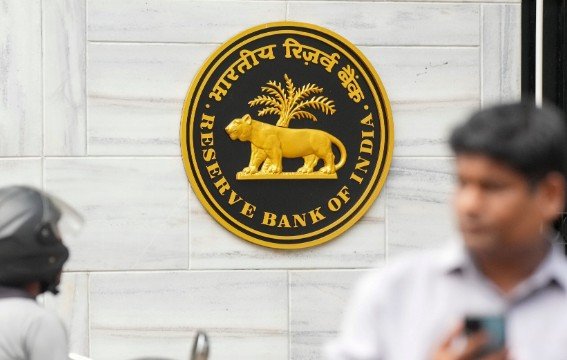
MUMBAI, June 24: The Indian rupee strengthened against the US dollar on Tuesday, supported by easing crude oil prices and growing confidence in the Reserve Bank of India’s latest measures aimed at attracting foreign currency inflows.
The domestic currency rose 0.1 per cent to trade at 95.63 per dollar, recovering from its previous close of 95.7075. The gains came as investors welcomed a decline in global oil prices and reassessed the outlook for the rupee following recent policy announcements by Indian authorities.
Market sentiment improved after Brent crude slipped nearly 1 per cent to $93.26 a barrel. The decline offered relief to import-dependent economies such as India, where higher energy costs often translate into increased demand for dollars and pressure on the local currency.
Analysts at several global financial institutions have turned more optimistic on the rupee’s prospects after the RBI and the government introduced measures designed to encourage foreign exchange inflows and strengthen external balances.
Goldman Sachs has revised its outlook, now expecting the rupee to reach the 97-per-dollar mark over a 12-month horizon instead of within three months as previously projected. The investment bank said recent policy actions are likely to moderate depreciation pressures and provide greater stability to the currency market.
Japanese banking group MUFG has also upgraded its forecast, estimating that the rupee could trade near 94 against the dollar by the end of the September quarter, compared with its earlier projection of 95.80.
The RBI on Monday released operational details of its currency support measures. The central bank announced greater flexibility for non-resident Indian deposits and introduced a concessional swap facility for banks raising funds overseas. The initiatives are aimed at improving foreign currency liquidity and strengthening India’s external position.
The policy interventions follow a prolonged period of weakness in the rupee, which had come under sustained pressure amid global uncertainties and rising energy costs. Earlier this year, the currency touched a record low of 96.96 against the dollar after losing nearly eight per cent of its value since the beginning of the year.
Currency traders said the rupee has experienced sharp swings in recent sessions as markets balanced the positive impact of RBI measures against concerns over geopolitical tensions and fluctuations in crude oil prices.
Oil markets remain sensitive to developments in the Middle East, although investor concerns eased after Iran and Israel indicated they had suspended attacks following diplomatic efforts led by US President Donald Trump.
Analysts believe the latest measures could help reduce worries about India’s balance of payments outlook and support the RBI’s efforts to strengthen foreign exchange reserves.
In a research note, Citi said it expects the dollar-rupee exchange rate to move closer to 93 in the near term if inflows under the new schemes materialise as anticipated. The brokerage noted that reduced concerns about external financing risks could provide additional support to the currency.
The improved outlook marks a notable shift in market expectations. Earlier this month, Citi had forecast the rupee at 97.90 per dollar within a month, but the latest policy announcements have prompted a reassessment of that view.
Market participants will now closely monitor the actual inflows generated by the RBI’s initiatives, along with movements in global oil prices and geopolitical developments, which continue to influence currency markets worldwide.
For now, easing crude prices and proactive policy support have combined to provide a much-needed boost to the rupee, offering investors greater confidence in the currency’s near-term trajectory.

