


Russia Turns to India for More Gasoline Supplies After Ukraine Strikes Hit Refineries
Russian energy firms are reportedly seeking additional gasoline supplies from Indian refiners as drone attacks disrupt domestic refining operations, highlighting a temporary shift in regional fuel trade dynamics.
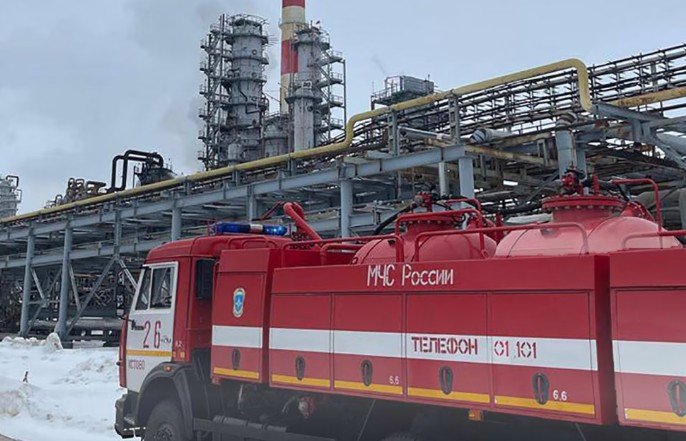
Russia, 16 July : Russia Explores Fuel Supplies from India as Refinery Output Faces Pressure
Russia is reportedly seeking additional gasoline supplies from India after a series of Ukrainian drone strikes severely affected its domestic refining infrastructure. According to a Reuters report citing industry sources, the damage to several Russian refineries has prompted energy companies in the country to approach Indian refiners for potential fuel shipments, creating an unusual development in the energy relationship between the two nations.
India has been one of the largest buyers of Russian crude oil since Western sanctions reshaped global energy markets. Indian refiners import discounted Russian crude, process it into refined petroleum products, and supply both domestic and international markets. However, recent developments suggest that Russia may now require refined gasoline imports from India to bridge short-term supply gaps caused by refinery outages.
Refinery Damage Creates Supply Challenges
Industry sources indicated that repeated drone attacks on Russian refining facilities have significantly reduced fuel production capacity. Reports estimate that close to 40 percent of Russia’s refining capability could remain offline for at least two months if additional attacks do not occur.
The disruption has reportedly forced Russian energy companies to explore alternative sources of gasoline while repair work continues at affected facilities. Analysts believe this reflects the growing impact of infrastructure attacks on Russia’s domestic fuel supply chain.
Russian Companies Contact Indian Refiners
According to sources familiar with the matter, several leading Russian oil producers—including Rosneft, Gazprom Neft, and Lukoil—have reportedly contacted both public-sector and private Indian refining companies regarding possible gasoline purchases.
Officials at three Indian state-owned refiners reportedly acknowledged receiving inquiries but indicated that they currently have limited surplus gasoline available for export. Domestic fuel demand and existing export commitments have constrained additional supply capacity.
If commercial agreements are finalized, industry sources suggest that independent commodity traders could facilitate the transactions rather than direct company-to-company sales.
India’s Refining Sector Balances Domestic Demand
India’s refining industry has expanded rapidly in recent years and remains among the largest globally. Public-sector refiners such as Indian Oil Corporation (IOC), Bharat Petroleum Corporation Limited (BPCL), and Hindustan Petroleum Corporation Limited (HPCL) continue to prioritize domestic fuel requirements while maintaining long-term export contracts.
None of these companies, along with the Russian firms mentioned in the report or Russia’s Energy Ministry, have officially confirmed negotiations regarding additional gasoline exports.
Market observers note that any significant increase in exports would depend on refining margins, available inventories, domestic consumption trends, and logistical considerations.
Possible Ship-to-Ship Transfers
Sources familiar with the discussions suggested that any future gasoline shipments could be delivered through ship-to-ship transfer arrangements, a method commonly used in international energy trade to optimize logistics and comply with commercial requirements.
Industry experts noted that if Russia experiences additional refinery disruptions, demand could eventually extend beyond gasoline to include diesel fuel. At present, however, available diesel inventories inside Russia are considered sufficient to meet immediate domestic requirements.
Previous Reports Involving Nayara Energy
Earlier reports had suggested that gasoline produced by Nayara Energy—an Indian refinery with Rosneft as one of its shareholders—had reached Russia through international traders.
Nayara Energy subsequently denied selling fuel directly to Russian companies. The company stated that it has neither supplied nor intends to supply fuel to Russian entities and reaffirmed that its primary focus remains serving the Indian market.
The company emphasized its commitment to maintaining uninterrupted fuel availability across its nationwide retail network and meeting the needs of commercial customers within India.
Government Position Remains Unchanged
India’s Petroleum and Natural Gas Minister Hardeep Singh Puri has previously clarified that Indian refiners are not directly exporting fuel to Russia. However, he acknowledged that petroleum products of Indian origin could eventually reach Russian buyers through international trading companies operating independently in global markets.
This distinction reflects the complex nature of international energy trading, where refined products frequently change ownership multiple times before reaching their final destination.
Changing Energy Trade Patterns
The reported discussions underscore how geopolitical developments continue to reshape global energy flows. Since 2022, India has significantly increased imports of Russian crude oil, becoming one of Moscow’s largest customers while simultaneously expanding exports of refined petroleum products worldwide.
The possibility of Russia importing gasoline from India represents an uncommon reversal in trade dynamics, driven largely by temporary disruptions to domestic refining operations rather than structural changes in energy demand.
Energy analysts believe such arrangements, if implemented, are likely to remain temporary until damaged Russian refining facilities resume normal production. Nevertheless, the situation illustrates the flexibility of international fuel markets in responding to unexpected supply disruptions and changing geopolitical conditions.
As repair work continues and refinery operations gradually recover, market participants will closely monitor whether these reported negotiations translate into sustained commercial fuel shipments or remain limited to short-term supply arrangements.

