


Saudi Crown Prince Sought Trump’s Backing Before Yemen Strikes on Houthi Targets: Report
Washington Supported Riyadh’s Military Move as Saudi Arabia Targeted Houthi Positions Following Dispute Over Iranian Flight to Yemen
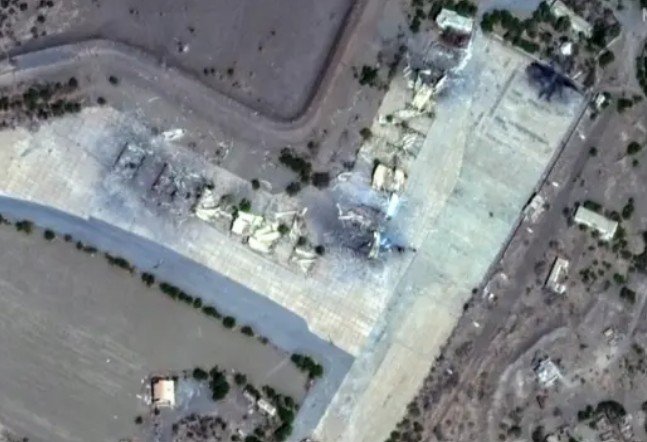
Saudi Arbia, 14 July : Saudi Crown Prince Mohammed bin Salman sought support from US President Donald Trump before Riyadh carried out military strikes against Iran aligned Houthi targets in Yemen, according to a report by Axios citing American officials familiar with the matter.
The report claimed that the Saudi leadership informed Washington about the planned operation in advance and requested US backing amid growing security concerns linked to Houthi activities and Iran’s involvement in Yemen.
According to the officials cited in the report, Trump supported the Saudi action, giving Riyadh confidence to proceed with military measures aimed at countering what it viewed as increasing Iranian influence in the region.
The development highlights the growing coordination between Washington and Riyadh as tensions continue to rise across the Middle East, particularly involving Iran-backed groups operating in neighbouring countries.
Dispute Over Iranian Aircraft Sparks Fresh Tensions
The latest escalation was reportedly triggered after an aircraft associated with Iran’s Mahan Air landed at Sanaa airport, which is controlled by Yemen’s Houthi movement.
The flight was carrying a Houthi delegation travelling to Iran to attend the funeral of former Iranian Supreme Leader Ayatollah Ali Khamenei. Saudi officials reportedly raised objections over the aircraft’s presence, expressing concerns that such flights could potentially be used to move military equipment, missile-related materials or Iranian personnel to Houthi-controlled areas.
US officials cited in the Axios report described Mahan Air as an airline that has previously faced allegations of connections with Iran’s Islamic Revolutionary Guard Corps (IRGC).
Saudi authorities reportedly viewed the flight as a potential security threat and opposed its movement through Yemeni airspace.
Saudi Strike Forces Iranian Plane to Change Route
Following the aircraft’s attempt to leave Yemen, Saudi forces carried out an attack near Sanaa airport, according to the report.
The strike forced the Iranian-linked aircraft to change its route and land in Al Hudaydah, a port city on Yemen’s Red Sea coastline.
The Saudi-backed Yemeni government defended the military action, stating that the operation was intended to prevent Iranian aircraft from using Yemeni territory for activities that could threaten regional security.
The incident further intensified the already fragile situation between Saudi Arabia and the Houthi movement, which has controlled Sanaa since 2014.
Houthis Retaliate With Drone and Missile Attacks
In response to the strike on Sanaa airport, Yemen’s Houthi forces launched missile and drone attacks targeting Saudi Arabia’s Abha airport in the southwestern region of the kingdom.
The Houthi movement described the attacks as retaliation against what it called Saudi aggression and warned that further action could follow if restrictions on Yemen’s capital airport remained in place.
Houthi military spokesperson Yahya Saree also issued a warning to international airlines, urging them to avoid Saudi airspace. He said the restrictions would continue until what the group described as a blockade of Sanaa airport was lifted.
The warning raised concerns over possible disruptions to regional air travel and further instability in one of the world’s most sensitive geopolitical zones.
US-Iran Rivalry Adds Pressure to Regional Conflict
The latest developments come at a time when tensions between the United States and Iran have increased significantly.
Washington and Tehran have remained locked in a broader confrontation over Iran’s regional activities, nuclear programme and support for allied armed groups across the Middle East.
Saudi Arabia, a long-standing US partner, has repeatedly expressed concerns over Iran’s influence and the activities of groups backed by Tehran, including the Houthis in Yemen.
The reported coordination between Trump and Saudi leadership reflects the strategic importance both countries place on limiting Iran’s expanding role in the region.
Yemen Conflict Continues After Years of Fighting
Saudi Arabia formed a military coalition in Yemen in 2015 to support the internationally recognised Yemeni government after Houthi rebels seized control of large parts of the country, including the capital Sanaa.
The conflict has resulted in widespread destruction, thousands of deaths and one of the world’s worst humanitarian crises, according to international organisations.
Although diplomatic efforts have taken place in recent years, Yemen remains divided between Houthi controlled areas in the north and government held territories mainly in the south.
The Houthis continue to control Sanaa and several densely populated regions, while the internationally recognised government maintains influence over other parts of the country.
The latest Saudi-Houthi confrontation has renewed concerns that Yemen could once again become a major flashpoint in the wider struggle between regional powers.

