


Trump Urges Netanyahu to Withdraw Israeli Forces from Syria and Lebanon
US President Donald Trump reportedly urged Israeli Prime Minister Benjamin Netanyahu to reduce Israel's military footprint in southern Syria and Lebanon as Washington intensifies diplomatic efforts to reshape regional security and ease cross-border tensions.
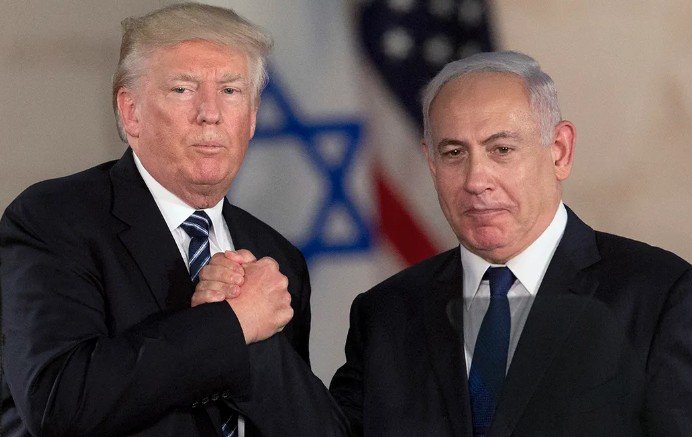
Washington: US President Donald Trump has reportedly urged Israeli Prime Minister Benjamin Netanyahu to begin withdrawing Israeli forces from southern Syria and parts of southern Lebanon, signalling a renewed American push to reduce military tensions and encourage a broader regional security framework.
According to officials familiar with the discussions, Trump conveyed the message during a recent phone conversation with Netanyahu, stressing that Israel’s prolonged military deployments in neighbouring territories risk increasing instability rather than enhancing long-term security. The conversation reflects growing US efforts to balance Israel’s security concerns with regional diplomatic initiatives involving Syria and Lebanon.
Trump Calls for Strategic Military Redeployment
Sources familiar with the discussion indicated that Trump encouraged Israel to reconsider its forward military presence, arguing that maintaining troops inside southern Syria has generated increasing local resentment and could undermine diplomatic progress.
American officials believe that reducing troop deployments would create a more favourable environment for future negotiations involving Syria, Israel and regional stakeholders. Washington has been working to prevent additional flashpoints that could escalate into wider conflict across the Middle East.
While the White House did not officially comment on the reported exchange, US officials reiterated that President Trump continues to maintain close communication with Prime Minister Netanyahu and remains committed to strengthening Israel’s security while promoting regional peace.
Netanyahu Defends Security Buffer Zones
Israeli Prime Minister Benjamin Netanyahu reportedly rejected immediate withdrawal proposals, maintaining that Israel’s military positions remain essential for national defence.
Israeli officials argue that security buffer zones along the country’s northern borders serve as a crucial line of protection against militant organisations and cross-border attacks. They insist that any reduction in military presence must be linked to clear security guarantees and effective monitoring mechanisms.
According to Israeli authorities, the government continues to prioritise border security amid ongoing instability in neighbouring countries.
US Pushes for New Israel-Syria Security Arrangement
Washington has spent several months attempting to facilitate a broader security understanding between Israel and Syria following major political developments inside Syria after the collapse of the Assad government in late 2024.
US diplomats reportedly envision a phased security arrangement that would gradually reduce military deployments while encouraging greater local stability and preventing the emergence of new armed confrontations.
American officials believe confidence-building measures could eventually improve communication between the two sides and reduce the likelihood of accidental military clashes.
Growing Friction in Southern Syria
The situation in southern Syria has become increasingly sensitive in recent months.
Reports indicate that several local communities have protested against the continued presence of Israeli forces, leading to isolated confrontations between residents and Israeli military personnel. These incidents have heightened international concern that prolonged deployments could trigger additional unrest.
Regional analysts believe that maintaining stability in southern Syria remains essential for preventing broader security challenges across the Levant.
Lebanon Withdrawal Talks Continue
At the same time, diplomatic negotiations concerning southern Lebanon have resumed under US mediation.
Representatives from Israel and Lebanon recently participated in discussions aimed at implementing previous understandings regarding military redeployment and border security arrangements.
The proposed framework reportedly includes the withdrawal of Israeli forces from designated areas while allowing the Lebanese Armed Forces to assume greater responsibility for maintaining security.
However, implementation has progressed slowly due to disagreements over verification procedures and security conditions.
Israeli officials maintain that military positions should only be vacated after confirming the absence of Hezbollah military infrastructure, while Lebanese representatives argue that international or US-led monitoring mechanisms should conduct those assessments.
Washington Seeks to Prevent Wider Escalation
The renewed diplomatic effort comes as the United States continues managing several interconnected regional crises.
Recent maritime tensions involving Iran and the Strait of Hormuz have further complicated the Middle East security environment, prompting Washington to pursue diplomatic initiatives aimed at preventing simultaneous conflicts across multiple fronts.
US officials believe reducing friction along Israel’s northern borders could help stabilise the broader region while allowing greater focus on ongoing diplomatic negotiations.
Domestic Political Considerations in Israel
The discussions also take place during a politically significant period for Israel.
With national elections expected in the coming months, Netanyahu faces increasing pressure from political allies who advocate maintaining a long-term military presence in strategically important border regions.
Supporters of the current deployment argue that forward military positions help prevent future cross-border attacks and strengthen Israel’s overall defence posture. Others believe diplomatic agreements supported by international guarantees could provide a more sustainable path toward regional stability.
Future of Regional Diplomacy
Despite differences between Washington and Jerusalem over military strategy, both governments continue to coordinate closely on broader regional security matters.
Diplomatic observers believe the coming weeks will determine whether negotiations can produce practical agreements that address Israel’s security concerns while reducing military tensions with neighbouring countries.
The outcome of these discussions could influence future relations among Israel, Syria, Lebanon and the United States, shaping the next phase of Middle East security diplomacy.
As negotiations continue, international attention remains focused on whether diplomatic engagement can successfully balance national security requirements with long-term regional peace and stability.

