


Ujh Project Gains Momentum
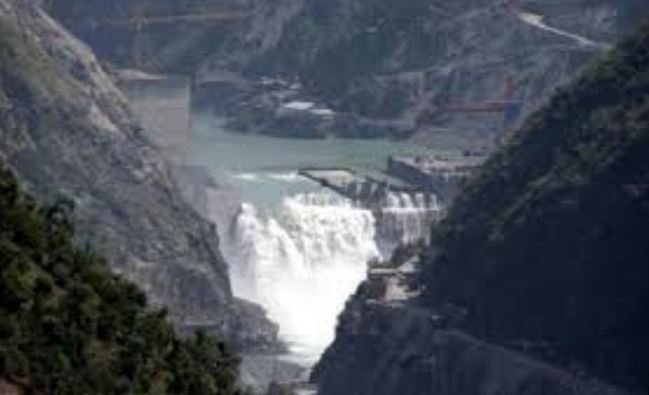
The recent approval of the revised Ujh Multipurpose Project has brought renewed attention to a proposal that holds considerable importance for Jammu and Kashmir, especially for the Kathua region. After remaining delayed for years, the project has once again moved into focus with the clearance granted by the Technical Advisory Committee of the Union Jal Shakti Ministry. This development is being viewed as an encouraging step because the project has the potential to contribute to irrigation, water storage, hydropower generation, and more effective use of available river waters.
The value of the Ujh project lies in its multipurpose character. It is not simply a dam or a single-use infrastructure facility. It is intended to support several needs together, including water security, agricultural development, and energy generation. Reports on the revised proposal indicate that the project may have a storage capacity of around 900 million cubic metres of water. Out of this, nearly 500 million cubic metres is expected to meet the needs of Jammu and Kashmir, while the remaining quantity may be diverted to Punjab after local requirements are fully addressed. This gives the project a wider regional relevance and shows how water infrastructure can be designed to serve both local and inter-state needs in a balanced manner. For the Jammu region, the irrigation aspect of the project is especially important. Agriculture in many areas continues to depend heavily on seasonal water availability, and dependable irrigation can make a major difference to productivity, cropping patterns, and rural incomes. Earlier official and public documents connected with the project suggested that its revised form could create irrigation potential over a significantly expanded area, with some reports placing the figure at 76,929 hectares and the culturable command area at 40,716 hectares. If realised, this would make the Ujh project a meaningful intervention for agricultural stability and long-term rural development. The project also carries an energy dimension. Earlier technical summaries have associated the scheme with hydropower generation, although different project stages have reflected different figures. One earlier summary referred to a generation capacity of over 200 MW, while more recent references from official institutions have linked the project with 89.50 MW. This change reflects the evolving technical and planning nature of such large projects, where irrigation, storage, cost and power objectives often require careful balancing. Even so, the broader significance remains intact. A project that can support both irrigation and power generation naturally adds more long-term value to the region. There is also a wider policy dimension to the project’s revival. In recent public statements, the Ujh project has been linked to India’s larger effort to maximize the use of waters that are available to it. Union Minister Dr Jitendra Singh has said that the project can support irrigation in Jammu and Kashmir and Punjab while helping improve the use of eastern river waters within the country. In that sense, the project is not only about local development in Kathua. It is also connected to a broader national strategy of better water utilization, stronger infrastructure, and more efficient river management. At the same time, the project’s history suggests that cautious optimism is necessary. The Ujh Multipurpose Project had been declared a National Project in 2008, and earlier detailed reports were also prepared, but the proposal did not move forward due to concerns related to cost-benefit calculations and other procedural issues. Recent reports place the tentative cost of the revived proposal at around Rs 11,000 crore, although the final figure will become clear only after preparation of the Detailed Project Report. This means that while the recent approval is important, several further stages remain before the project can move into full execution.
Finally, the project now needs careful and timely movement through the next stages, including DPR preparation, clearances, and final approval. If that process proceeds with consistency and seriousness, the Ujh Multipurpose Project can become a valuable asset for irrigation, agriculture, and energy and water security. In a region where long-term infrastructure plays a crucial role in development, the project offers a meaningful opportunity. Its true importance will lie in whether this renewed momentum is sustained and translated into visible progress on the ground.

