


US-Iran Peace Framework Nears Breakthrough as Global Markets Watch Middle East Developments
Diplomatic momentum builds around a potential agreement that could reshape regional security, energy routes, and international relations.
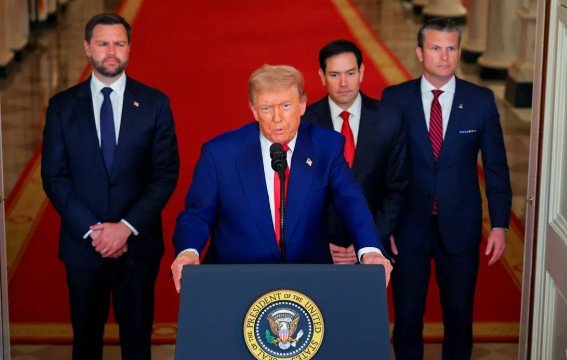
WASHINGTON/TEHRAN, June 14: A major diplomatic development is unfolding in the Middle East as the United States and Iran appear to be moving closer to a landmark peace framework that could ease years of tensions and significantly influence global political and economic dynamics.
Officials and mediators involved in the negotiations have indicated that discussions have entered an advanced stage, raising hopes for a breakthrough after months of indirect talks and intense diplomatic engagement. While both sides remain cautious about announcing a final agreement, recent statements from political leaders suggest that substantial progress has been achieved on several critical issues.
The emerging framework is expected to focus initially on regional stability, maritime security, economic cooperation, and confidence-building measures. Additional negotiations on long-term strategic concerns, including nuclear-related issues, are likely to continue in subsequent phases.
The possibility of a diplomatic settlement has attracted worldwide attention because of the central role both countries play in shaping security and energy dynamics across the Middle East. Analysts believe that any reduction in tensions could improve investor confidence, stabilize energy markets, and reduce geopolitical risks in one of the world’s most sensitive regions.
A significant element of the discussions reportedly involves ensuring safe navigation through the Strait of Hormuz, one of the world’s most important maritime corridors. The waterway handles a substantial portion of global oil shipments, making its stability crucial for international trade and energy security. Any agreement that guarantees uninterrupted shipping operations could have positive implications for global supply chains and fuel markets.
Diplomatic sources indicate that confidence-building measures may include the easing of certain restrictions, expanded communication channels, and mechanisms designed to prevent future military confrontations. Such steps are viewed as essential for rebuilding trust after years of confrontation and mutual suspicion.
The negotiations have also generated significant debate within Iran. While supporters argue that diplomatic engagement could strengthen the economy and improve international relations, some hardline groups have expressed concerns about concessions being made during the talks. Public demonstrations and political discussions reflect the diverse opinions surrounding the proposed framework.
For the United States, the talks represent an opportunity to reduce tensions in a region that has remained a major focus of foreign policy for decades. Policymakers believe that a stable Middle East could help improve global economic conditions and reduce the likelihood of future military escalations.
Energy markets are closely monitoring developments. Traders and analysts note that any agreement capable of lowering regional risks may contribute to greater predictability in oil supplies. Recent fluctuations in energy prices have highlighted the sensitivity of global markets to geopolitical events in the Gulf region.
International observers have welcomed the diplomatic progress while emphasizing the importance of implementing robust verification and monitoring mechanisms. Transparency and sustained dialogue are expected to play key roles in ensuring the durability of any future agreement.
The negotiations come at a time when the international community is seeking greater stability amid multiple geopolitical challenges. Governments across Europe, Asia, and the Middle East have expressed interest in supporting efforts that encourage peaceful engagement and regional cooperation.
Experts point out that successful implementation of a peace framework could generate benefits extending beyond bilateral relations. Improved economic ties, increased investment opportunities, and expanded trade links may emerge if tensions continue to ease.
At the same time, analysts caution that several complex issues remain unresolved. Historical grievances, security concerns, and competing regional interests could still complicate the final stages of negotiations. As a result, diplomatic efforts are expected to continue even if a preliminary agreement is announced in the coming days.
Global leaders are closely following the process, viewing it as a potential turning point in Middle Eastern diplomacy. A successful outcome could create new opportunities for cooperation and contribute to a more predictable international environment.
With negotiators reportedly working on final details, attention now turns to the next phase of discussions and the possibility of a formal announcement. Whether the framework evolves into a comprehensive long-term settlement will depend on the willingness of both sides to maintain dialogue and address remaining challenges through peaceful means.
For now, the prospect of a diplomatic breakthrough has generated cautious optimism among policymakers, businesses, and international institutions. As negotiations advance, the world continues to watch developments that could influence regional stability and global economic conditions for years to come.

