


US, Iran Seal Preliminary Peace Deal, Strait of Hormuz to Reopen as Nuclear Talks Advance
Washington and Tehran agree to halt hostilities, restart nuclear negotiations and restore critical global energy routes under a 60-day diplomatic framework.
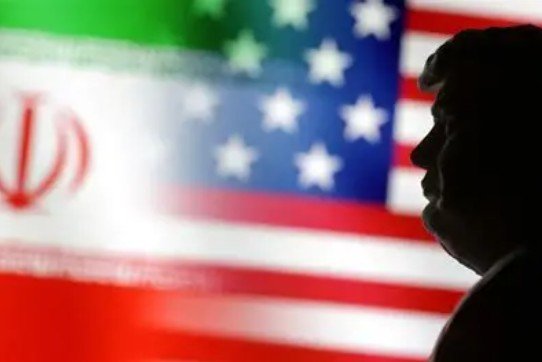
Washington, June 18, 2026: In a dramatic diplomatic development with far-reaching geopolitical and economic implications, US President Donald Trump and Iranian President Masoud Pezeshkian have signed an interim agreement aimed at ending months of military confrontation and paving the way for a broader settlement over Tehran’s nuclear programme.
The accord, which took immediate effect following its signing by leaders of both nations, establishes a temporary framework for peace while launching a 60-day period of intensive negotiations designed to achieve a comprehensive and lasting agreement. The breakthrough was facilitated with the support of Pakistan, whose Prime Minister Shehbaz Sharif confirmed the activation of the deal shortly after both sides completed the signing process.
The agreement marks the most significant diplomatic engagement between Washington and Tehran in years and comes after a conflict that disrupted global energy markets, heightened regional instability and raised fears of a wider Middle East war.
President Trump formally signed the document during a gathering at the historic Palace of Versailles in France, where he was meeting French President Emmanuel Macron following the Group of Seven summit. Images released by the White House showed the American leader endorsing the accord before handing it to senior administration officials amid applause from attendees.
Simultaneously, Iranian President Masoud Pezeshkian signed the agreement in Tehran, where state media presented the event as a major diplomatic achievement for the Islamic Republic. Though the complete text has not yet been officially published, key provisions have emerged through statements from officials and draft language shared by both governments.
At the heart of the arrangement is a commitment by both nations to end military hostilities and return to negotiations over Iran’s nuclear activities. The accord requires Tehran to engage in discussions concerning its stockpile of highly enriched uranium while broader issues related to nuclear oversight are expected to dominate talks over the next two months.
One of the most consequential elements of the deal involves sanctions relief. The United States has agreed to issue waivers that immediately permit Iran to resume unrestricted oil exports. The move is expected to provide a substantial economic boost to Tehran and could reshape global energy markets by increasing crude supplies at a time of heightened demand and price volatility.
The decision represents a major shift in American policy. During his first presidential term, Trump withdrew from the 2015 nuclear agreement, arguing that it failed to adequately address Iran’s nuclear ambitions and regional activities. The new arrangement appears to offer Tehran economic benefits at an earlier stage than previous agreements, prompting debate among policymakers and analysts.
Energy markets welcomed another major provision of the accord: the reopening of the Strait of Hormuz. The strategic waterway serves as one of the world’s most important energy transit routes and had become severely disrupted during the conflict. Attacks on commercial shipping and heightened security concerns dramatically reduced traffic, triggering spikes in oil and gas prices across international markets.
Under the interim framework, commercial vessels will once again have unrestricted access through the corridor. Officials indicated that tolls imposed during the conflict will be suspended for at least two months, helping restore normal maritime operations and easing concerns among energy-importing nations.
The agreement also calls for the removal of restrictions affecting Iranian ports and seeks to restore shipping activity to pre-war levels within the coming month. Maritime security efforts will continue during this period, particularly in areas where naval mines and other hazards remain a concern.
Beyond economic and nuclear issues, the accord touches on broader regional security matters. It includes language supporting Lebanon’s territorial integrity amid ongoing tensions involving Hezbollah and Israeli military operations. However, this aspect of the arrangement could become a source of controversy given differing interpretations among regional actors regarding future security arrangements.
Despite the celebratory tone adopted by both governments, significant challenges remain. The interim deal does not permanently resolve disagreements over Iran’s nuclear capabilities, ballistic missile programme or relationships with regional proxy groups. Instead, it creates a diplomatic window during which negotiators must attempt to bridge longstanding differences.
President Trump described the agreement as a strong foundation for future diplomacy but also emphasized that Washington retains the option of returning to military measures should negotiations fail. His remarks underscored the fragile nature of the ceasefire and the uncertainty surrounding the next phase of discussions.
Political reactions are expected to be intense both within the United States and across the Middle East. Critics argue that granting immediate sanctions relief reduces American leverage before major concessions have been secured. Supporters, however, contend that reducing tensions and stabilizing energy markets outweigh the risks associated with the arrangement.
The accord is also likely to generate debate in Israel, where officials have consistently advocated a tougher approach toward Tehran. Questions regarding Iran’s future nuclear activities and regional influence remain central concerns for Israeli policymakers.
Economically, the agreement could have significant global consequences. Lower energy prices, improved shipping security and the prospect of increased Iranian oil production may ease inflationary pressures in several countries. Financial markets are expected to closely monitor developments as negotiators work toward a comprehensive settlement.
Another notable aspect of the framework involves discussions surrounding long-term reconstruction and economic recovery. Reports suggest that regional investment initiatives worth hundreds of billions of dollars could be considered if diplomatic progress continues, although specific commitments remain subject to future negotiations.
International observers have welcomed the reduction in tensions but caution that the path to a final agreement remains complex. Decades of mistrust, competing strategic interests and domestic political pressures on both sides will likely influence the outcome of the upcoming talks.
For now, the signing of the interim accord represents a rare moment of diplomatic progress in one of the world’s most volatile regions. Whether it evolves into a lasting peace settlement or merely a temporary pause in hostilities will depend on the success of negotiations scheduled over the next 60 days.
As global leaders, energy markets and regional stakeholders watch closely, the agreement has opened a new chapter in US-Iran relations—one that could reshape security dynamics, economic trends and diplomatic alignments across the Middle East and beyond.

