


Digital Payments Now Lead Retail Transactions in India’s Major Cities: Study
UPI, cards drive sharp surge in adoption as metros lead, smaller businesses embrace ‘digital-first’ mindset.
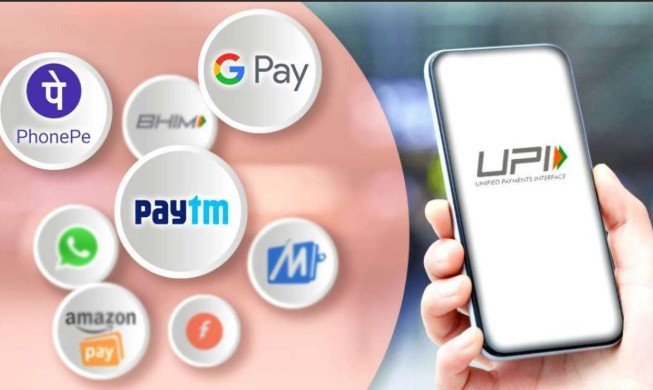
Digital transactions have emerged as the backbone of retail spending in India, with UPI, credit cards, and debit cards now accounting for 74 per cent of all retail transactions across the country’s top 29 cities, according to NeoGrowth’s NeoInsights report titled How India Pays.
This marks a significant rise from 45 per cent two years ago, underscoring the rapid shift in consumer behaviour towards convenience, speed, and trust in technology. Out of every ₹100 spent in retail, ₹74 is now paid digitally, the study highlighted.
The report noted that India’s digital retail transactions touched nearly ₹98 lakh crore in FY25, growing 23 per cent year-on-year. With India’s digital economy projected to contribute nearly 20 per cent of national income by 2029–30, digital inclusion is fast becoming a cornerstone of growth.
“Digital payments in India have moved on from being an urban privilege to becoming a national standard. From kiranas to kiosks, retailers are redefining adoption and efficiency in digital transactions,” said Arun Nayyar, MD & CEO, NeoGrowth.
Adoption trends show personal grooming (83%), vehicle maintenance (80%), groceries (68%), and fuel (63%) as leading categories for digital payments. Metro cities dominate the list, with Hyderabad (82%), Bengaluru (79%), and Pune (79%) at the forefront. Among non-metros, Visakhapatnam (76%), Nagpur (71%), and Chandigarh (68%) are notable leaders.
Interestingly, smaller businesses (turnover below ₹1 crore) are leading digital adoption at 79 per cent, compared to 63 per cent for larger businesses. Younger entrepreneurs in their 20s and 30s generate nearly 80 per cent of revenues digitally, while older retailers have also increased adoption significantly in the last two years.
The report highlights that India’s digital-first approach is being strengthened by government initiatives such as the ₹1,500 crore UPI incentive scheme under the Zero MDR policy, the JAM trinity (Jan Dhan, Aadhaar, Mobile), and BharatNet expansion. Combined with rising smartphone penetration, app-based payment ease, and consumer trust, digital payments are becoming second nature in India’s retail landscape.

