


‘AI’s Best Outcomes Aren’t Guaranteed’: Sundar Pichai Urges Bold Yet Responsible Innovation
Google CEO Sundar Pichai on Thursday called for a bold yet responsible approach
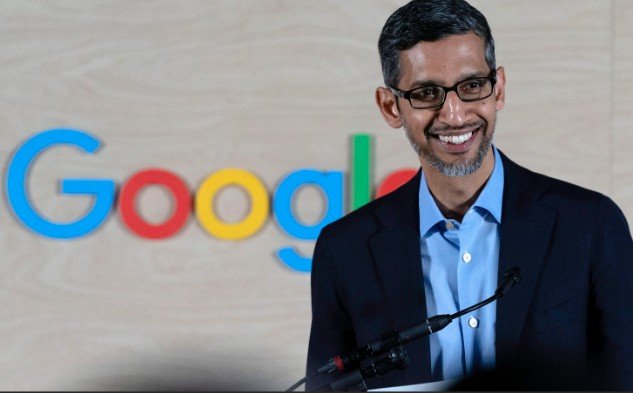
New Delhi, Feb 19: Google CEO Sundar Pichai on Thursday called for a bold yet responsible approach to artificial intelligence, cautioning that the most positive outcomes of the AI revolution are “neither guaranteed nor automatic.”
Sundar Pichai on AI responsibility and hyperprogress
Addressing global leaders at the India AI Impact Summit in New Delhi, Pichai described artificial intelligence as “the biggest platform shift of our lifetimes,” saying the world stands at the threshold of transformative progress that could help emerging economies bridge long-standing development gaps.
However, he stressed that such gains will not materialise without deliberate effort. “To build AI that is truly helpful for everyone, we must pursue it boldly, approach it responsibly and work through this defining moment together,” he said.
Highlighting AI’s scientific breakthroughs, Pichai pointed to AlphaFold, developed by Google DeepMind, which solved the decades-old challenge of predicting protein structures and is now accelerating research in areas such as malaria vaccines and antibiotic resistance.
He also cited AI-driven healthcare collaborations in El Salvador and advanced weather forecasting systems in India that have helped farmers prepare for changing monsoon patterns. According to him, AI-based agricultural advisories were delivered to millions of Indian farmers, supported in part by Google’s Neural GCM model.
Calling AI a powerful engine of scientific discovery, Pichai said researchers are now leveraging the technology to catalogue DNA disease markers and develop AI agents that assist in complex investigations.
At the same time, he warned against the risk of a widening “AI divide,” emphasising the need for stronger digital infrastructure, broader connectivity and workforce training to ensure equitable access.
Pichai said Google is investing USD 15 billion in India’s digital infrastructure, including plans for a full stack AI hub in Visakhapatnam, along with expanded subsea cable connectivity between India and the United States.
Acknowledging concerns about job displacement, he noted that while AI will reshape labour markets, it will also create new opportunities, citing the rise of digital content creators as an example of how technology can unlock unexpected career paths.
Underscoring the importance of trust, he referred to tools such as SynthID designed to authenticate digital content, adding that collaboration between governments, businesses and innovators will be key to shaping an inclusive AI future.

