


No More Silent Suffering
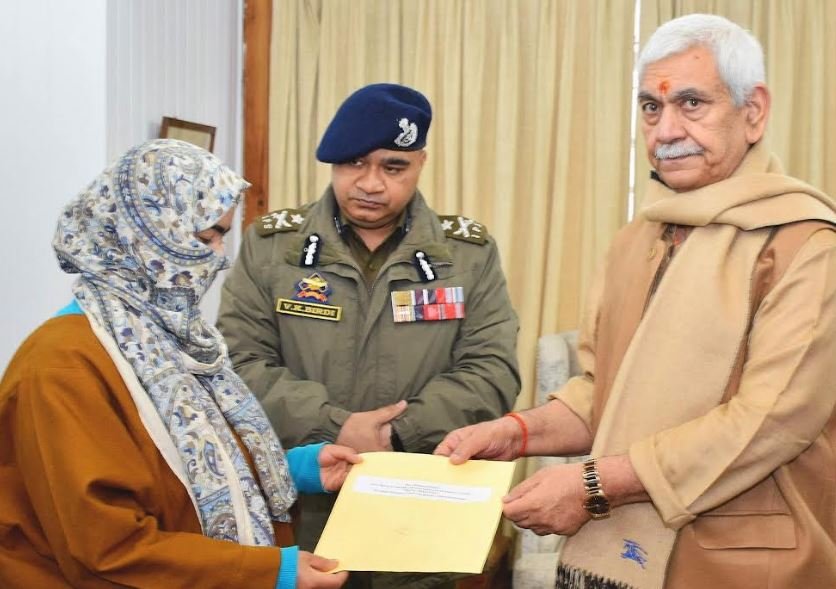
In regions affected by conflict, justice cannot remain limited to official procedures or formal announcements. It must also reach the homes of those families who have lived for years with grief, uncertainty, and neglect. The recent step of providing appointment letters to the next of kin of terror victims in Jammu and Kashmir carries importance for this very reason. It reflects an effort to ensure that families who have suffered deeply are not left behind in silence but are acknowledged with dignity and supported in a meaningful way.
For such families, the issue has never been only financial hardship. The greater pain often lies in the long years of invisibility. A loved one was lost to terror, yet the family was frequently left to struggle not only with emotional trauma but also with delay, uncertainty, and a lack of timely institutional response. When the state offers employment support in such cases, it cannot erase the pain of loss, but it can send an important message that the suffering has been recognized and that the family has not been forgotten. In that sense, such support becomes more than administrative relief. It becomes a gesture of dignity and reassurance. Such support is what gives these appointments a deeper social meaning. They are not simply official documents or routine administrative actions. For many families, they represent recognition, stability, and a small but important restoration of confidence in public institutions. In a place like Jammu and Kashmir, where many innocent families have endured the burden of violence for decades, such steps help rebuild a sense of trust. They show that governance must not only maintain order, but also respond with humanity to those who have suffered its harshest consequences. At the same time, meaningful justice cannot stop at employment assistance alone. Such support is important and necessary, but families affected by terrorism often face a wider range of difficulties. Some may have lost their homes or land, some continue to wait for proper investigation of long-pending cases, and others may be living with permanent disability or severe trauma. A truly compassionate and responsible policy must therefore address the full extent of suffering. Rehabilitation should include not only jobs but also legal redress, restoration of property where needed, and long-term support for those left physically or emotionally scarred. This wider understanding of justice is essential. A family that has lost a breadwinner may also have lost security, social standing, and hope for the future. If the state wishes to respond with sincerity, it must see the whole reality of that loss. A job can provide stability, but it should be part of a larger framework that restores confidence and allows families to feel protected, respected, and included in the broader public life of the region. There is also an important social lesson in such efforts. In conflict-affected places, people often begin to lose faith in institutions when they feel that their pain has gone unnoticed. That is why visible, humane, and sustained support matters so much. When families see that the state is willing to stand beside them, address old grievances, and offer practical help, it strengthens public trust and reduces the sense of abandonment that violence often leaves behind. Such measures may not heal every wound, but they do help create the conditions for healing to begin. Jammu and Kashmir needs this kind of balanced and compassionate approach. Security remains important, but security alone cannot heal the scars of conflict. The region also needs justice that can be felt in ordinary lives, in households that have waited too long for acknowledgment and in families that deserve support with dignity. If such efforts continue with consistency and care, they can become part of a larger process of moral and social repair.
In the end, support for terror victims’ families must be seen not merely as a policy measure but as a reflection of the values that guide public life. A society becomes stronger when it remembers those who suffered, stands by the vulnerable and ensures that grief is met not with silence, but with compassion and responsibility. As such, Lieutenant Governor Manoj Sinha and the administration deserve sincere appreciation for ensuring that terror victims’ families are not left unheard or unsupported. This compassionate and justice-oriented approach reflects a meaningful commitment to dignity, care, and institutional responsibility. By extending support to affected families, the government has taken an important step towards healing long-standing pain and restoring confidence. Such efforts should continue with the same sensitivity and dedication until every deserving family receives justice, support, and respectful recognition.

