


US Nears Victory in Iran War, Trump Promises to ‘Finish the Job’
President says key objectives nearly achieved as tensions rise over Strait of Hormuz and global energy impact
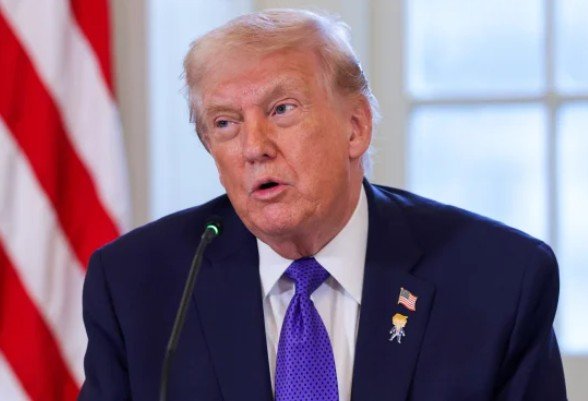
Washington, Apr 2: US President Donald Trump on Wednesday night declared that American forces are approaching the final stage of their military campaign in Iran, stating that the country’s “core strategic objectives are nearing completion.” Speaking in a prime time address from the White House, Trump asserted that the United States would soon “finish the job.”
In his first national address since the conflict began, Trump outlined the primary goals of the operation, including dismantling Iran’s missile production capabilities, weakening its naval power, preventing proxy groups from destabilising the region, and ensuring Tehran does not acquire nuclear weapons.
Emphasising that the campaign is not driven by economic interests, Trump said the United States is acting to support its allies rather than to secure resources. He noted that America is now energy independent and does not rely on Middle Eastern oil, despite maintaining a presence in the region.
Addressing concerns over rising fuel prices amid the ongoing crisis, particularly due to disruptions in the Strait of Hormuz, Trump highlighted strong domestic oil and gas production. He claimed the US produces more energy than major global producers and is well-equipped to manage any supply shocks.
Referring to the ongoing military campaign, dubbed Operation Epic Fury, Trump said Iran’s military infrastructure has been significantly weakened. He claimed that missile and drone capabilities have been sharply reduced, while weapons facilities and launch systems have been extensively targeted.
The president further asserted that Iran’s naval and air forces have suffered severe damage, and key leadership figures have been eliminated. He added that the Islamic Revolutionary Guard Corps is currently being “decimated,” describing recent operations as “swift, decisive, and overwhelming.”
However, some independent assessments have questioned the extent of the damage claimed by the US administration, particularly regarding Iran’s overall military capabilities and control of strategic routes.
Trump also warned that any attempt by Iran to revive its nuclear ambitions would trigger immediate and forceful retaliation. He stated that Iranian nuclear sites are under constant surveillance by US and allied forces following repeated strikes in recent months.
Reflecting on long-standing tensions between the two nations, Trump criticised previous administrations, particularly former President Barack Obama’s nuclear agreement with Iran, arguing it would have enabled Tehran to develop a significant nuclear arsenal.
Despite Iran maintaining that its nuclear programme is for peaceful purposes, concerns remain due to its uranium enrichment levels, which are close to weapons-grade.
The president also sought patience from the American public, comparing the current conflict’s duration just over a month to past wars involving the US, suggesting that progress has been rapid and effective.
Meanwhile, public opinion appears divided. A recent survey indicated that a majority of Americans believe the administration’s actions in Iran may have gone too far.
The conflict has also heightened global economic concerns, especially after Iran disrupted traffic through the Strait of Hormuz, a key route for global oil supplies. While Trump downplayed the importance of the strait for the US, he urged other nations dependent on it to take responsibility for securing the passage.
The situation remains fluid, with additional US troops being deployed to the Middle East, even as diplomatic tensions with international allies continue to rise.

