


PM Modi Presents Traditional Indian Gifts To Global Leaders, Showcasing Cultural Heritage
From Assam’s golden silk to GI-tagged mangoes, Indian handicrafts and regional treasures highlighted during five-nation diplomatic tour
NEW DELHI, May 21: Prime Minister Narendra Modi showcased India’s rich cultural diversity and traditional craftsmanship by presenting specially curated gifts to global leaders during his recently concluded five nation diplomatic tour covering the United Arab Emirates, the Netherlands, Sweden, Norway and Italy.
The gifts reflected India’s regional heritage, handloom traditions, folk art and agricultural richness, with each item carefully selected to represent cultural connections between India and the host countries.
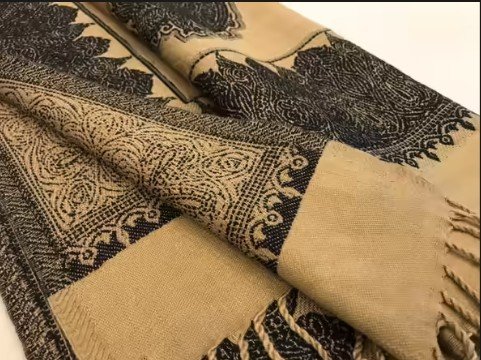
Among the prominent gifts, Italian Prime Minister Giorgia Meloni received a rare Muga silk stole from Assam along with a Shirui Lily silk stole inspired by the unique flower found in Manipur’s Shirui hills. Officials said the golden texture of Muga silk symbolises elegance and timeless craftsmanship, while the Shirui Lily design represents purity and cultural pride.
Italian President Sergio Mattarella was presented with a marble inlay work box crafted using the traditional Pacchikari art associated with Agra. The gift also included recordings of legendary Indian classical musicians Pandit Bhimsen Joshi and M S Subbulakshmi, celebrating artistic ties between India and Italy.
King Willem-Alexander of the Netherlands received Jaipur blue pottery, a GI-tagged craft famous for its vibrant floral patterns and intricate glazing techniques. Queen Máxima was gifted traditional Meenakari and Kundan earrings reflecting Rajasthan’s royal jewellery heritage.
Dutch Prime Minister Rob Jetten received a Madhubani painting featuring a fish motif, symbolising prosperity and cultural creativity from Bihar’s Mithila region.
During the Scandinavian leg of the tour, Norwegian Prime Minister Jonas Gahr Støre was gifted pressed orchid artwork and handcrafted orchid paperweights prepared using flowers from Sikkim. Norway’s King Harald V received an intricate silver sailboat model crafted using Odisha’s renowned Tarakasi filigree art.
Queen Sonja of Norway was presented with a palm leaf Pattachitra artwork, one of Odisha’s oldest traditional art forms known for its detailed engraving work.
Swedish Prime Minister Ulf Kristersson received a Ladakhi pure wool stole, Loktak tea from Manipur and a handcrafted Santiniketan messenger bag, highlighting India’s handloom and artisanal traditions.
Icelandic Prime Minister Kristrún Frostadóttir was gifted a replica of the ice axe used by legendary Sherpa mountaineer Tenzing Norgay during the historic 1953 Mount Everest expedition alongside Sir Edmund Hillary.
Danish Prime Minister Mette Frederiksen received a Bidri silver work vase representing the sophisticated metalcraft traditions of the Deccan region, while Finnish Prime Minister Petteri Orpo was gifted a Kamal Talai Pichwai painting inspired by Rajasthan’s Nathdwara devotional art.
The United Arab Emirates President Sheikh Mohamed bin Zayed Al Nahyan received a Rogan painting featuring the “Tree of Life” motif along with GI-tagged Kesar mangoes from Gujarat and premium pineapples from Meghalaya.
The UAE Crown Prince was gifted a ceremonial dagger decorated with intricate Koftgari work and Mithila makhana from Bihar. The UAE Queen Mother received Maheshwari silk fabric from Madhya Pradesh and the famous Chak Hao black rice from Manipur.
Prime Minister Modi also presented unique agricultural products to Qu Dongyu, Director-General of the Food and Agriculture Organisation of the United Nations. The gift collection included indigenous rice varieties such as red rice from Kerala, Gobindobhog rice from West Bengal, Joha rice from Assam, Kalanamak rice from Uttar Pradesh and premium Basmati rice from northern India. Healthy millet bars from Maharashtra were also included to promote traditional Indian grains and sustainable nutrition.
Officials stated that the carefully chosen gifts highlighted India’s commitment to preserving regional art forms, supporting local artisans and promoting the country’s cultural diplomacy on the global stage.

