


RBI signals cautious stance as inflation pressures persist, growth outlook remains steady
Central bank maintains vigilance on price stability amid global uncertainty, energy volatility, and currency pressures while keeping focus on domestic economic resilience
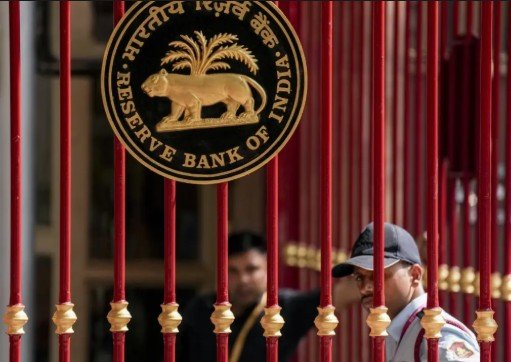
India, June 12 — The Reserve Bank of India (RBI) has maintained a cautious monetary policy stance amid ongoing inflationary pressures, global economic uncertainty, and volatility in energy markets, even as domestic growth indicators continue to show resilience in key sectors such as services, manufacturing, and exports.
According to policymakers, the central bank’s primary focus remains on anchoring inflation expectations within the medium-term target range while ensuring that economic growth is not disrupted by external shocks such as geopolitical tensions, fluctuating crude oil prices, and uneven global demand recovery.
In its latest assessment, the RBI noted that while headline inflation has shown signs of moderation compared to previous highs, underlying price pressures persist in food and energy components. These segments remain vulnerable to supply disruptions, particularly due to ongoing instability in global crude oil markets and shipping routes in West Asia.
Officials indicated that imported inflation continues to be a key concern for the Indian economy, especially as energy prices remain volatile due to geopolitical developments. The central bank has been closely tracking crude oil movements, which have a direct impact on transport costs, manufacturing inputs, and retail inflation.
Economists associated with leading financial institutions said that the RBI is unlikely to shift toward an aggressive rate-cutting cycle in the near term, given that inflation remains above comfort levels in several categories. They added that a “higher-for-longer” interest rate environment globally, particularly in the United States, is also influencing India’s monetary policy decisions.
The Indian rupee has also remained under pressure in foreign exchange markets, reflecting broader dollar strength and capital outflows from emerging markets. Currency depreciation has further complicated inflation management, as imported goods become more expensive.
Despite these challenges, India’s economic growth trajectory continues to show relative strength compared to other major economies. High-frequency indicators such as GST collections, manufacturing PMI data, and digital consumption trends suggest sustained domestic demand.
The services sector, particularly IT, tourism, and financial services, has remained a major driver of employment and export earnings. Meanwhile, manufacturing activity has benefited from government-led production incentives and infrastructure expansion programs.
However, experts warn that uneven global recovery poses risks to export led growth. Slower demand in developed economies, combined with supply chain disruptions, could affect India’s trade performance in the coming quarters.
RBI officials have also highlighted the importance of financial stability in the banking sector. Credit growth has remained steady, particularly in retail and MSME segments, but regulators continue to monitor asset quality and leverage levels in certain sectors such as real estate and unsecured lending.
The central bank is also focusing on digital payment expansion and financial inclusion initiatives, which have seen rapid adoption across urban and semi-urban areas. Digital transaction volumes continue to break records, reflecting structural shifts in consumer behaviour.
Market analysts believe that the RBI’s next policy moves will depend heavily on incoming inflation data, global interest rate trends, and crude oil price stability. Any sustained rise in energy costs could delay monetary easing and keep borrowing costs elevated for longer.
At the same time, policymakers are attempting to strike a balance between controlling inflation and supporting growth momentum, particularly in employment-generating sectors such as construction, textiles, and small-scale manufacturing.
Overall, the RBI’s approach reflects a “wait and watch” strategy, with emphasis on flexibility and data driven decision making in an increasingly uncertain global environment.

