


Plea Filed Seeking Guidelines for Stand-Up Comedy Shows
Petition in the Supreme Court says existing laws act only after misinformation or objectionable content has already gone viral, and seeks expert and judicial oversight for digital content that can damage public trust and institutional credibility.
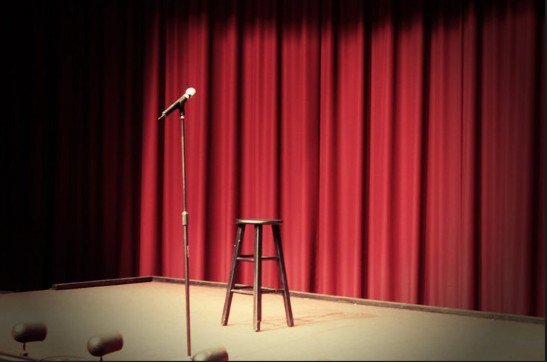
New Delhi, July 2: A public interest litigation has been moved in the Supreme Court seeking a comprehensive regulatory framework for stand up comedy performances, podcasts, social media content and artificial intelligence generated material, amid growing concern over viral online content and misinformation. The plea, filed on Wednesday by advocate Vishal Tiwari, cites the recent controversy surrounding a “Rs 370 biryani” remark made during comedian Pranit More’s show in Gurugram as an example of how a statement made in a live entertainment setting can quickly snowball into a nationwide debate once amplified through digital platforms.
The petition argues that India’s present legal and regulatory mechanisms are largely reactive and fail to address the speed with which misleading, offensive or manipulated content spreads online. According to the plea, by the time authorities issue fact-checks, clarifications or legal notices, the content in question has often already reached millions of users, shaping public perception and causing reputational harm that cannot be easily undone.
At the centre of the petition is the argument that digital virality has transformed the nature of public discourse. A comment or clip originating as humour, satire, improvisation or entertainment, the plea says, can no longer be viewed in isolation once social media algorithms propel it to a much wider audience. In such situations, the petitioner contends, the content can trigger broader questions involving dignity, morality, privacy, consent, gender sensitivity and even the credibility of constitutional institutions.
The PIL also refers to another recent controversy involving allegedly false claims circulated online that several Indian judges, including the Chief Justice of India, and Union ministers had travelled to London to participate in a badminton tournament at taxpayers’ expense. The plea says the material was widely shared and generated intense commentary and speculation before any official clarification could effectively counter the narrative. It claims that such episodes expose a serious institutional gap in the country’s response to viral misinformation, especially when it concerns judges, ministers and other constitutional functionaries.
In its submissions, the petition states that the spread of manipulated or misleading content online is no longer limited to political propaganda or malicious disinformation campaigns. It says content originating from comedy stages, podcasts, influencer accounts and AI-generated media now routinely enters the mainstream information ecosystem, often stripped of context and circulated in fragments that intensify outrage. This, it argues, has created an urgent need for a structured legal and institutional response that can balance free speech with accountability.
The plea has therefore asked the apex court to direct the formulation of a comprehensive regulatory framework covering stand-up comedy shows, podcasts, social media platforms and AI-generated content. It seeks the creation of an expert committee to examine the circulation of misleading, degrading or scandalous material across digital platforms, particularly content that affects public confidence in constitutional institutions or violates basic standards of decency and responsibility.
The petitioner has also sought the constitution of an independent judicial commission headed by a retired Supreme Court judge to examine the dissemination of false and manipulated digital narratives. The commission, according to the plea, should be tasked with studying how such content spreads, identifying the gaps in current laws and recommending safeguards to prevent the rapid circulation of defamatory, deceptive or socially harmful material online.
The PIL comes in the backdrop of a social media storm triggered by a remark made during Pranit More’s stand-up show in Gurugram. During an audience interaction segment, a man identified as Himanshu Jangra recounted an incident from a date in which he claimed to have spent Rs 370 on a plate of chicken biryani. According to the viral clip, he said that when the woman later asked him to drop her home, he demanded sexual favours in return for the amount he had spent on the meal. The comment drew immediate outrage online, with users calling it misogynistic, offensive and degrading to women.
The controversy deepened because comedian Pranit More, who was on stage at the time, was seen laughing after the remark instead of objecting to it. Social media users criticised not only the comment itself but also the atmosphere in which it was received, arguing that the absence of an immediate rebuke helped normalise an unacceptable and deeply problematic statement. As the clip spread across platforms, it prompted debate on the responsibilities of comedians and performers during live audience interactions, especially when audience remarks cross ethical or social boundaries.
The backlash soon had consequences beyond the comedy venue. Jangra, a web developer employed by a Gurugram-based company, came under intense scrutiny after his identity became public. His employer, Starvik Design, subsequently terminated his services. Vivek Vishwakarma, founder of the firm, confirmed the dismissal in a video statement posted on X, saying the company did not endorse the remarks and had taken action in light of the controversy.
As criticism mounted, both Jangra and More issued public apologies. Jangra also deactivated his Instagram account following the backlash. Despite the apologies, the incident continued to fuel debate on social media, where many users argued that the episode reflected a larger issue involving misogyny, performative humour and the growing tendency of online audiences to turn short clips into large-scale cultural flashpoints.
The petition uses the incident to underline what it describes as the “algorithmic amplification” of isolated speech. It argues that a statement made in a closed or semi-private setting can now be clipped, reposted and reframed in ways that dramatically alter its impact. Once such content enters the digital ecosystem, it is consumed not merely as a joke or offhand comment but as a public statement subject to scrutiny, outrage and political interpretation. In that environment, the plea says, the distinction between humour and harmful speech becomes increasingly contested and difficult to regulate under existing laws.
According to the petitioner, this is precisely why India requires a forward looking framework rather than a purely punitive one. The PIL suggests that regulation should not be confined to criminal prosecution after a controversy erupts, but should instead include preventive and supervisory mechanisms, clearer content accountability standards and faster institutional responses in cases involving misinformation or inflammatory material. It implies that the state’s current dependence on post facto action leaves both individuals and institutions vulnerable to digital damage that spreads faster than legal remedies can keep up with.
At the same time, the issues raised by the petition are likely to invite a wider debate over free expression and artistic liberty. Stand-up comedy, satire and podcasts often thrive on irreverence, exaggeration and provocation, and any attempt to regulate them more tightly may raise concerns about censorship, overreach and the chilling effect on speech. Critics of broad regulation may argue that comedy and commentary should not be subjected to vague or subjective moral standards, and that existing criminal and civil laws already provide remedies in cases of defamation, obscenity, incitement or harassment.
Yet the petitioner appears to frame the matter not as one of artistic control alone, but as a question of systemic digital accountability. The plea places stand-up comedy, podcasts, social media posts and AI-generated content within the same broader ecosystem of viral communication, where a single misleading or offensive piece of content can rapidly influence public opinion, damage reputations and inflame social tensions. In that sense, the petition goes beyond the immediate comedy controversy and seeks judicial intervention in the wider governance of online speech.
The reference to AI-generated content is especially significant, as it points to the next phase of the misinformation challenge. The petition suggests that digitally manipulated narratives are no longer limited to edited videos or false captions, but may increasingly involve AI tools capable of producing realistic images, audio clips and fabricated conversations. Such material, if circulated without checks, could deepen public confusion and make it harder to distinguish between satire, fabrication and deliberate disinformation.
The plea therefore attempts to connect multiple recent anxieties into one legal demand: the regulation of live entertainment content when it spills into the online domain, the control of manipulated or misleading narratives targeting public institutions, and the need for a framework to address the rapidly evolving risks posed by AI-generated media. Whether the Supreme Court agrees to entertain the petition and issue directions remains to be seen, but the case has already brought into focus a difficult and increasingly urgent policy question how to preserve freedom of speech and artistic expression while also addressing the speed, scale and impact of harmful digital content.
For now, the PIL has added a legal dimension to a controversy that began as a viral clip from a comedy show but quickly expanded into a larger argument over gender sensitivity, public morality, online accountability and the limits of humour in the age of algorithm driven amplification. As courts, lawmakers and digital platforms continue to grapple with these issues, the outcome of the plea could shape the contours of future debate on how India regulates speech and misinformation in the digital era.

