


Welfare Must Reach Workers
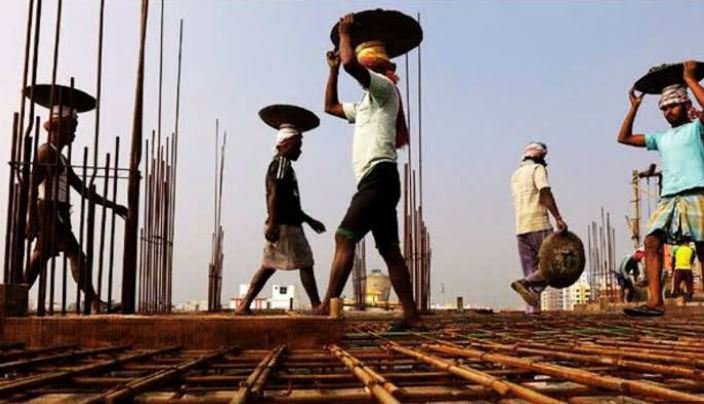
The rollout of India’s four Labour Codes in Jammu and Kashmir could bring a major change in the way workers, employers and the administration deal with labour issues. By replacing 29 Central labour laws with four broader Codes, the reform aims to make the system easier to understand, improve social security, strengthen workplace safety and reduce avoidable procedural complications. The idea is promising, but its real value will depend on whether people feel the difference in their daily lives.
The new framework covers wages, industrial relations, social security, and occupational safety and working conditions. Bringing so many laws under four Codes can reduce confusion and make compliance more predictable for employers. It can also help workers better understand their rights. However, simplification should never mean weaker protection. A smoother business environment is important, but it cannot be built by compromising fair wages, safety or dignity at work. Universal minimum wage protection is one of the most important features of the reform. A worker should not lose basic wage protection simply because the job is seasonal, informal or linked to a small establishment. The proposed National Floor Wage and a common definition of wages can also bring greater clarity to provident fund, gratuity and other benefits. But these provisions will matter only when they are enforced honestly and consistently. Jammu and Kashmir has a large number of people working in construction, tourism, transport, agriculture, horticulture, shops, domestic work and small businesses. Many of them move between jobs and seasons without written contracts or reliable social security. The new Codes offer an opportunity to bring such workers into a more organised welfare system. Registration, however, must remain simple, and benefits should reach workers without forcing them to run from office to office. The administration has already made useful progress. Rules under all four Codes have been prepared, and the rules under the Industrial Relations Code have been notified. The remaining rules are moving through the required approval and consultation process. This preparation deserves recognition, but the unfinished work should now be completed quickly. Labour reform cannot remain stuck in draft notifications and procedural delays. The outreach effort has also been substantial. As per government reports, as many as 617 awareness camps have been organized across all 20 districts, reaching nearly five lakh workers, employers and other stakeholders. In addition, 283 capacity-building programmes have covered more than 7,200 officials, trade union representatives and employers. These numbers are encouraging, but awareness should not be judged by attendance alone. Workers must know where to register, how to file a complaint and how to claim benefits. The proposed block-level Shram Sahayiks can play an important role, especially for workers who are not comfortable with online systems or live far from district offices. They can help people complete registrations, understand entitlements and follow up on grievances. Their success will depend on proper training, adequate staffing and clear accountability. The statutory boards proposed under the Codes must also be made functional and visible. Bodies dealing with unorganised workers, construction workers, wages, industrial relations and workplace safety should not become ceremonial committees. They must meet regularly, resolve grievances and publish clear outcomes. Workplace safety cannot be treated lightly. Construction sites, workshops, factories, transport units and smaller establishments must follow basic safety standards. Inspections should be fair and transparent, but serious violations must invite firm action. No employer should be allowed to save money by putting workers at risk.
The new Labour Codes allow Jammu and Kashmir to create a labour system that is simpler, fairer and more humane. Their success will not be measured by the number of notifications issued or digital portals launched. It will be measured by whether workers receive fair wages, social security and safe working conditions, and whether responsible employers find the system clear, predictable and free from unnecessary harassment. Further, the administration must now complete pending rules, activate statutory boards, strengthen inspections and simplify benefit claims. Labour reform will succeed only when every worker receives fair wages, social security, workplace safety and swift justice, while responsible employers face transparent, predictable regulation.

