


Pages over Passing Trends
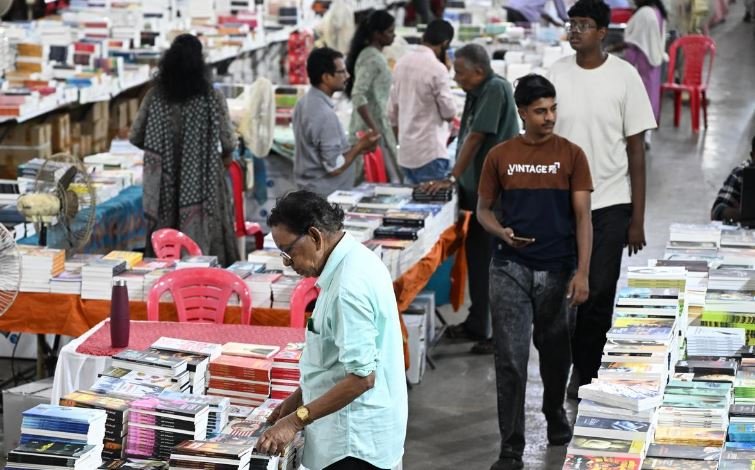
The third Chinar Book Festival is set to return to Srinagar from July 18 to July 26, 2026, at a time when serious reading is increasingly being replaced by quick scrolling, short videos and scattered online content. The nine-day event can become much more than a book exhibition. It can give young people a reason to slow down, explore ideas and rediscover the pleasure of reading.
The festival is being organised by the National Book Trust, the National Council for Promotion of Urdu Language and the District Administration Srinagar. This joint effort is encouraging, but the event should not be judged only by the number of stalls, visitors or sessions. Its real value will be seen in the interest it creates among students, families, teachers and ordinary readers. Book launches, author interactions, panel discussions, poetry recitations, storytelling sessions, workshops and cultural performances can make literature feel alive. Many students today see books only as part of examinations and compulsory study. A festival like this should help change that view. Reading should be presented as a source of enjoyment, confidence, imagination and independent thought. Student participation must be planned with care. Schools, colleges, polytechnics and Industrial Training Institutes should not treat the visit as a routine outing. Students should be allowed to browse freely, meet writers, listen to discussions and take part in creative activities. They should leave the festival with new books, new questions and a stronger desire to read. The multilingual character of the event is especially important. Jammu and Kashmir has a rich literary tradition in Kashmiri, Urdu, Dogri, Hindi, Gojri, Pahari and several other languages. Each carries the memories, stories and experiences of its people. The festival should give all these languages proper space and ensure that regional literature is not pushed aside by more commercially visible titles. Local writers, poets, translators, researchers and young storytellers must also receive meaningful representation. Literary festivals often become dominated by well-known names, while emerging voices are given little attention. The Chinar Book Festival should create room for writers from Jammu and Kashmir to present their work and connect directly with readers. Good arrangements for transport, sanitation, security, healthcare and visitor movement are essential. The district administration’s focus on these areas is welcome. At the same time, the festival must remain accessible to students from modest families, persons with disabilities and readers coming from distant areas. Affordable books will be equally important. Publishers should offer genuine discounts, particularly on children’s literature, regional writing and educational material. A reading culture cannot grow if books remain beyond the reach of ordinary families. Schools, colleges and public libraries should also use the festival to strengthen their collections. The event comes at a time when misinformation and shallow online debate are becoming common. Reading teaches patience and helps people examine ideas carefully. It allows readers to understand different viewpoints and distinguish fact from noise. A society that reads regularly is better prepared to think independently. The festival should not end as soon as the final stall closes. It should inspire reading clubs, library visits, author interactions and literary activities throughout the year. Mobile libraries and community book programmes can help carry the spirit of the festival to rural and underserved areas.
Srinagar has the cultural depth and literary tradition to host a major national book festival. Finally, the Chinar Book Festival deserves wholehearted appreciation for bringing books, writers and young readers together. Its impact should now extend beyond nine days through school reading clubs, mobile libraries, affordable book programmes and regular author interactions. Stronger rural outreach, wider regional-language representation and meaningful student participation can turn this festival into a lasting literary movement across Jammu and Kashmir.

