


Youth Power through Sports
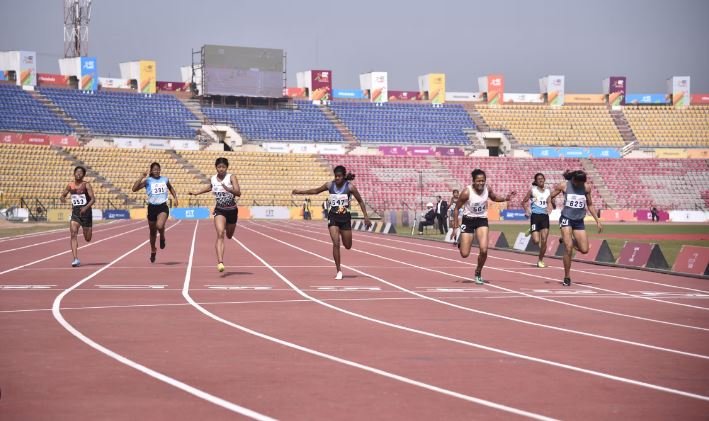
Jammu and Kashmir is in the middle of an important sporting transformation. More than 570 infrastructure projects, involving an investment of over ₹650 crore, are being planned or executed across the Union Territory. The scale is impressive, but the real significance lies beyond the numbers. This is an investment in the health, confidence, discipline and future of young people who have long shown talent despite limited access to proper facilities.
For years, sporting opportunities have remained unevenly distributed. Young athletes in major cities have generally enjoyed better grounds, coaching and equipment, while those living in border areas, tribal belts, remote villages and mountainous districts have often had to depend on determination alone. That imbalance cannot continue. A child in Poonch, Gurez, Kishtwar or Kupwara should have the same right to train, compete and dream as a child living close to a modern stadium in Jammu or Srinagar. The construction of playfields, indoor halls, mini stadiums, youth hostels, academies and specialised training centres can help narrow this gap. The development of 108 playfields at an estimated cost of more than ₹39 crore deserves particular attention. Grassroots sport does not begin in large stadiums. It begins on a local ground where children gather after school, learn teamwork and discover their abilities. A well-maintained playfield can become the heart of a neighbourhood. It can draw young people away from idleness, drug abuse and unhealthy dependence on mobile phones. It can also bring communities together and create a culture in which physical activity becomes part of everyday life rather than an occasional event. The expansion of synthetic turfs, athletic tracks, swimming facilities, cricket academies, shooting centres, gymnastics halls and high-performance training centres is equally important. Jammu and Kashmir has produced many gifted sportspersons even without a strong support system. With professional coaching, better nutrition, sports science, competitive exposure and safe accommodation, many more can reach national and international levels. Projects such as Khel Gaon at Nagrota, border sports academies, residential sports complexes and the proposed Centre for Mountaineering and Skiing at Sanasar suggest that the government is moving towards a more connected sporting system. That is a welcome shift. However, experience has shown that impressive buildings alone do not produce champions. A stadium without coaches, equipment, maintenance and regular activity soon becomes a burden rather than an asset. Every new facility must therefore have trained staff, proper management and a clear plan for year-round use. Otherwise, public money will be spent on structures that remain underused or locked after inauguration. The decision to prepare a geo-spatial inventory of sports assets is also a practical step. Geo-tagging stadiums, academies, playfields, indoor halls and youth hostels can help the administration see clearly which areas are well served and which continue to be neglected. District-wise gap assessments based on population, distance, accessibility and sporting potential can make future investment more fair and need-based. This approach, however, must be followed with honesty. Authorities should identify underserved areas openly, examine whether existing facilities are being used and assess whether completed projects are producing results. Announcing hundreds of projects will mean little if tenders are delayed, construction is poor or facilities begin to deteriorate soon after completion. Strict deadlines, digital monitoring, regular field inspections and financial discipline are not mere administrative requirements. They are necessary to protect public money and public trust. Agencies responsible for delays or poor workmanship must be held accountable. Maintenance funds should be planned before a project is opened, not after cracks appear and equipment stops functioning. Schools, local communities and sports associations should also be involved in keeping these facilities active. Special attention must be given to girls, children from economically weaker families and athletes from distant areas. High fees, lack of transport and social restrictions should not prevent them from participating.
The success of this programme will not ultimately be judged by the number of buildings completed or crores of rupees spent. It will be judged by the number of young lives it changes. Jammu and Kashmir has never lacked talent. It has often lacked equal opportunity. This expansion must ensure that no promising athlete is left behind because of poverty, distance or administrative neglect.

